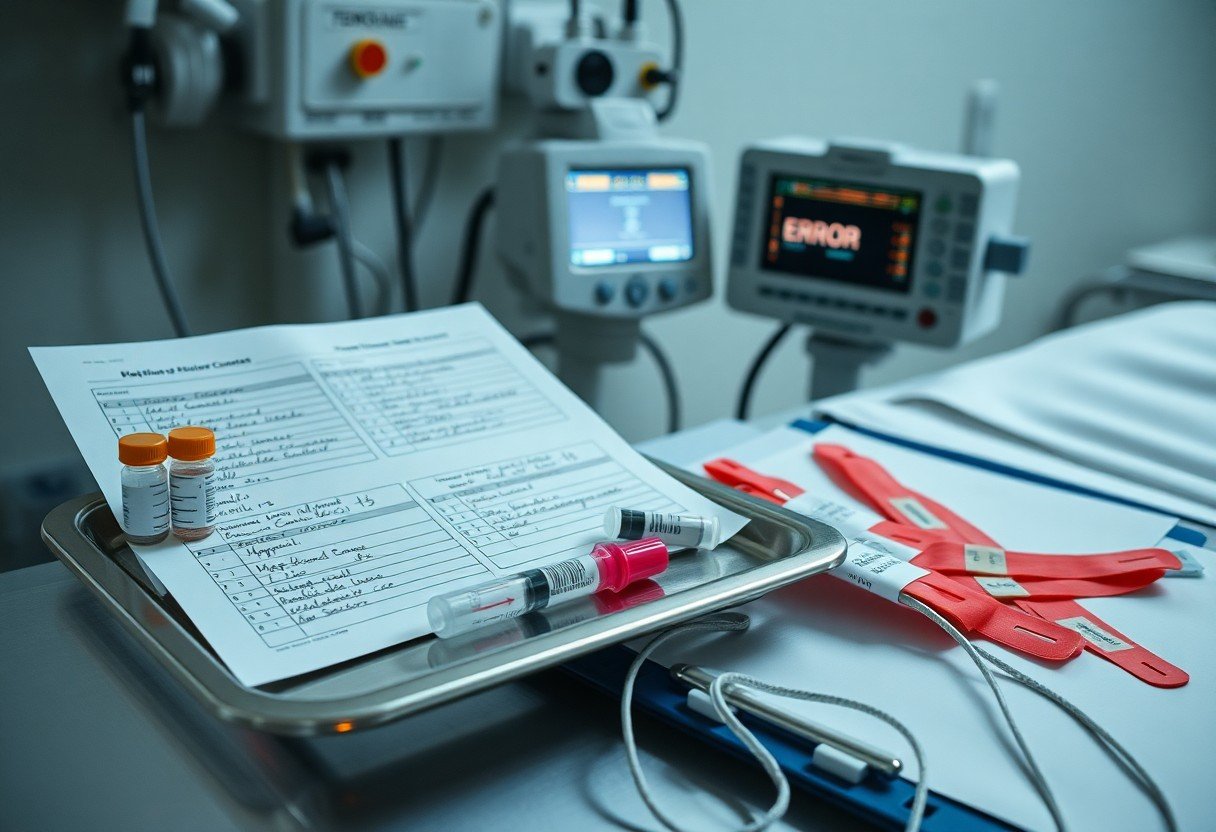
Over the past decade you’ve likely encountered reports of emergency room errors; this post outlines recurring patterns-diagnostic delays, communication breakdowns, medication mistakes, handoff failures, and system overload-explaining how they compromise patient safety and what practical actions you can take to spot risks, support safer care, and advocate for improvements in your facility.
Key Takeaways:
- Anchoring and premature closure lead to missed or delayed diagnoses when clinicians fixate on an initial impression despite new or conflicting data.
- Poor communication during handoffs and between teams results in lost information, duplicated testing, and delayed treatment.
- Triage errors and overcrowding cause delays in time‑sensitive interventions and misallocation of limited resources.
- Medication and dosing mistakes stem from calculation errors, look‑alike/sound‑alike drugs, and unfamiliar protocols.
- System failures – insufficient staffing, inadequate documentation, and weak follow‑up arrangements – increase the risk of adverse outcomes.
Types of Common Emergency Room Mistakes
| Misdiagnosis | You can have conditions like MI or appendicitis labeled as non-urgent; studies estimate diagnostic errors account for roughly 10-15% of adverse outcomes in acute care, increasing morbidity and legal risk. |
| Delayed Treatment | You face harm when time-sensitive care is postponed; door-to-needle goals (≤60 min for stroke thrombolysis) and door-to-balloon (≤90 min for PCI) exist because delays worsen outcomes. |
| Medication Errors | You may receive wrong dose or drug; medication errors in ED settings are reported in 4-14% of administrations, often from look-alike drugs or incomplete allergy checks. |
| Communication Failures | You can be harmed by poor handoffs or unclear orders; one study linked ineffective handoffs to about 20% of sentinel events, causing duplicated tests or missed allergies. |
| Diagnostic Test Errors | You can suffer from missed or delayed readings of CTs, ECGs, or labs; a missed subtle ECG change can mean a missed acute coronary syndrome for you. |
- Use standardized checklists during triage so your primary issues aren’t overlooked.
- Confirm allergies and medication lists with active reconciliation to prevent dosing mistakes for you.
- Escalate time-sensitive findings immediately-stroke, STEMI, and sepsis pathways exist to reduce harm to you.
- Perceiving subtle changes in your mental state or vitals as low priority can lead to missed sepsis or deterioration.
Misdiagnosis
Anchoring and premature closure cause many misdiagnoses in the ED: you might have chest pain labeled as anxiety when ECG signs are subtle, or abdominal pain treated as gastroenteritis while appendicitis develops; studies link cognitive errors to a significant share of diagnostic failures, so repeating exams, using second reads for imaging, and involving specialists when uncertainty persists can reduce the chance that you leave with the wrong diagnosis.
Delayed Treatment
Time-sensitive conditions suffer most from delays: you lose measurable chances of recovery when reperfusion targets (door-to-needle ≤60 minutes for thrombolysis, door-to-balloon ≤90 minutes for PCI) are missed, and sepsis guidelines prioritize rapid antibiotics because studies show earlier therapy improves survival; system delays-triage lag, imaging queues, lab turnaround-directly translate into worse outcomes for you.
Further, common causes of delay include ED crowding, boarding of admitted patients, and diagnostic uncertainty; you might wait hours for imaging results or specialty consults, so protocols that fast-track suspected stroke, STEMI, or sepsis (pre-notification, point-of-care testing, direct-to-CT pathways) can shave minutes to hours off treatment time and improve your prognosis.
Factors Contributing to Mistakes
High patient volumes, limited staffing, and frequent interruptions magnify error risk; diagnostic misses appear in roughly 10-15% of ED cases in some series, and the Joint Commission links communication breakdowns to about 70% of sentinel events. Common contributors include:
- ED crowding and boarding that prolong waits
- long shifts (often 10-12 hours) and clinician fatigue
- complex comorbidities, atypical presentations, and frequent interruptions
After you target these hotspots with staffing, process, and environmental changes, preventable harm decreases.
High-stress Environment
During a shift you juggle multiple acute problems-surges can leave you managing 3-5 critical patients at once-while noise, frequent interruptions (often every few minutes), and 10-12 hour shifts degrade cognitive bandwidth. Evidence links crowding to delays and worse outcomes, so your reliance on heuristics rises and diagnostic anchoring becomes more likely under pressure.
Communication Breakdowns
When handoffs lack structure you encounter missing allergies, incomplete medication lists, or absent diagnostic impressions; ambiguous orders and fragmented EHR notes create the wrong treatments or delays, and the Joint Commission finds these failures in roughly 70% of sentinel events. If you don’t confirm key facts, medication errors and delayed diagnoses follow.
Use structured tools-SBAR, bedside handoffs, and read‑backs-to close gaps; some studies report 20-30% fewer adverse events after implementing standardized handoffs. Also guard against EHR pitfalls like copy‑paste, templated notes, and inbox overload: you should reconcile meds, flag pending tests, and perform closed‑loop confirmations during every transfer to catch discrepancies before they harm patients.
Patient Safety Measures
You see ER teams standardize handoffs with I-PASS, which cut medical errors 23% and preventable adverse events 30% in a multicenter study; that same discipline underpins sepsis bundles, barcode medication checks, and rapid-response dashboards that spot deterioration earlier. Departments that combine protocolized care with continuous monitoring report fewer missed diagnoses and shorter time-to-antibiotic for sepsis, so your role in following and fueling those systems directly affects outcomes.
Protocols and Checklists
When you follow protocols such as I-PASS and ESI triage, workflow variability drops and outcomes improve; checklists for procedures (central line insertion) and medication double-checks for insulin and anticoagulants are standard. Time-outs before procedures, sepsis order sets that trigger lactate and antibiotics, and structured handoff scripts reduce cognitive slips-examples include checklist bundles that have driven down line infections and standardized antibiotic timing in busy EDs.
Technology and Innovations
You benefit from EHRs, barcode medication administration, CPOE with embedded clinical decision support, and RTLS patient tracking; over 90% of U.S. hospitals now use certified EHR systems, enabling these layers. AI-driven sepsis alerts, bedside ultrasound with cloud review, and telemedicine consults are increasingly integrated to shorten diagnosis and treatment intervals in the emergency setting.
Digging deeper, you’ll find technologies paired with workflow change deliver the biggest gains: barcode scanning plus bedside verification eliminates many transcription errors, while dashboards that surface NEWS/MEWS trends and lactate kinetics let you prioritize the sickest patients. Tele-ED programs provide specialist input within minutes, and validated ML sepsis models in trials have flagged deterioration hours before clinical escalation, giving your team actionable lead time.
The Role of Healthcare Professionals
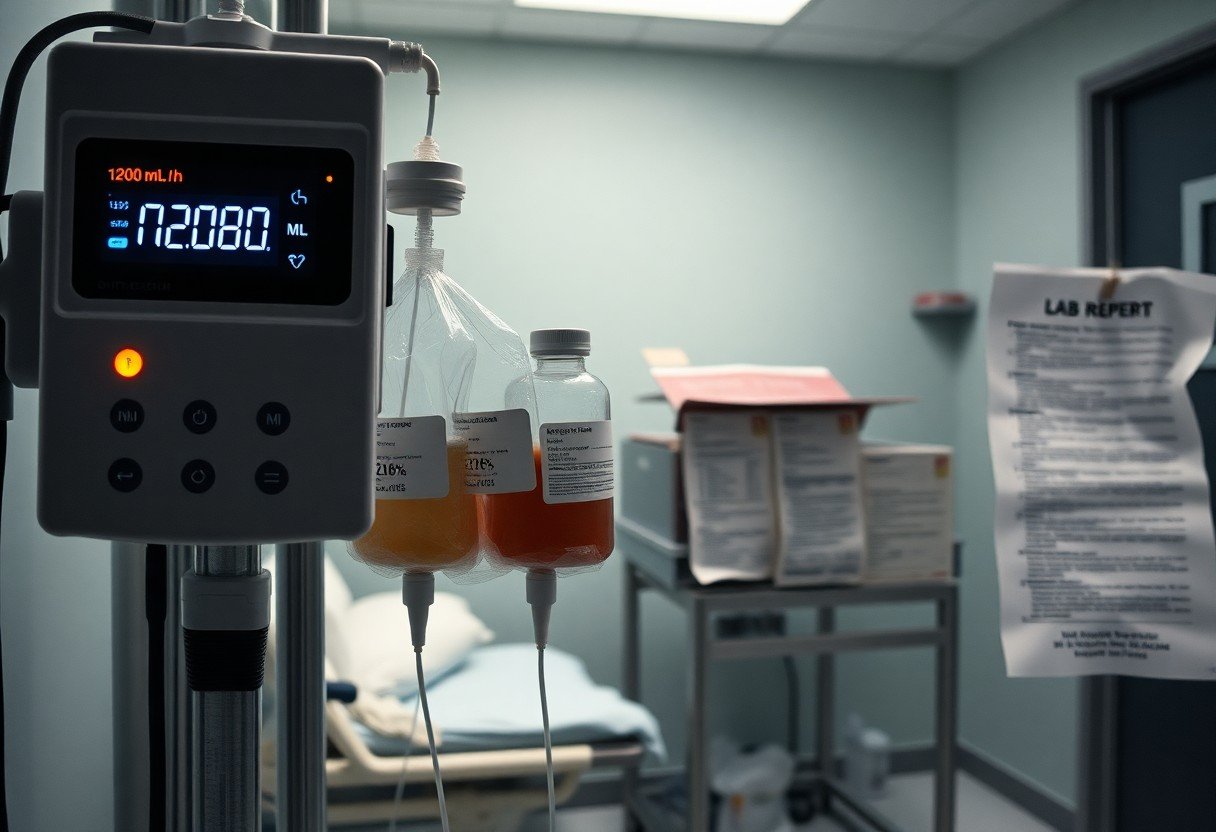
With more than 100 million ED visits in the U.S. annually, you depend on clinicians to triage, diagnose, and act fast; for instance, every hour delay in antibiotics for sepsis raises mortality by roughly 7-8%. Triage errors, lapses in monitoring, and missed imaging findings are recurring causes of harm, so your vigilance and how teams prioritize diagnostics and interventions directly affect patient outcomes.
Training and Education
You benefit when staff maintain certifications like ACLS and PALS (usually renewed every two years) and participate in regular simulation drills; evidence links simulation-based team training to faster interventions, and procedure checklists have reduced central-line infections by up to 66% in landmark studies. Focused, recurring training helps you keep skills sharp and reduces procedural and cognitive errors during high-volume shifts.
Teamwork and Collaboration
When you rely on rapid coordination, communication breakdowns are a major driver of errors-the Joint Commission associates poor communication with over 60% of sentinel events-so structured tools such as SBAR, bedside handoffs, and closed-loop communication matter. These practices lower information loss during shift changes and help you preserve situational awareness when multiple critical patients arrive.
You can cut mistakes by enforcing explicit role assignments, briefings, and immediate debriefs after critical cases; for example, naming an airway lead, a medications lead, and a recorder during a multi-trauma prevents duplication and omissions. Implement a visible whiteboard for pending tests, require read-backs for critical results, and run monthly multidisciplinary simulations so your team rehearses workflows under realistic pressure.
Patient Advocacy
Assign a trusted person as your advocate on arrival; they should carry a printed medication list (name, dose, last taken), known allergies, and emergency contacts. When clinicians change during handoffs or imaging, that advocate asks for specific names and clarifies orders, which lowers miscommunication. If delays occur, have them request expected timelines and document commitments so you can hold the team accountable and reduce avoidable diagnostic or treatment lapses.
Importance of Informed Patients
Demand plain-language explanations and at least three written takeaways: medication names and doses, timing for follow-up, and two warning signs that require return. Ask for concrete examples of how the condition affects daily tasks and expected symptom trajectories over 24-72 hours. Doing this converts vague advice into actionable steps, lowers misunderstandings, and helps you track recovery against objective milestones.
Encouraging Questions and Concerns
Encourage your advocate to pose five focused questions: What is the working diagnosis? Which tests will confirm it and when will results arrive? What are the top two treatments and their side effects? What should trigger a return visit? Who follows up and how? Request that clinicians restate answers while you or your advocate document them to catch discrepancies before discharge.
Practice a short script: state your main symptom, list current meds, ask “What should I watch for in the next 24-48 hours?” and request a direct number for urgent questions. Use teach-back-repeat instructions aloud and note corrections-to verify understanding. When you insist on documented answers and a follow-up plan, medication and dosing errors are more likely to be identified before you leave.
Case Studies on Emergency Room Errors
You can see patterns across multiple reports: diagnostic delays, medication mistakes, and communication breakdowns repeatedly appear. A pooled review found diagnostic ED errors contributed to 28% of malpractice payouts in one series, and the case list below mirrors themes from The 10 Most Common Emergency Room Errors, showing how timing, staffing, and documentation failures translate into measurable harm.
- 1) Medication overdose (2019, urban ED): single-patient naloxone failure after a 5× dosing mistake; ICU stay 72 hours, root cause: failure to verify weight, time to correction 38 minutes.
- 2) Missed myocardial infarction (2017, community hospital): initial ECG read as non-diagnostic, troponin delay 6 hours; resulted in 24% increased infarct size and 2-week readmission for heart failure.
- 3) CT misinterpretation (2020, tertiary center): delayed stroke diagnosis by 3.5 hours due to teleradiology backlog; door-to-needle window missed, 1 patient lost eligibility for thrombectomy.
- 4) Wrong-site procedure (2018, teaching hospital): bedside verification absent, procedure performed on incorrect limb; additional surgery required, malpractice payout $420,000.
- 5) Allergy documentation failure (2021, regional ED): documented ‘NKDA’ overturned after chart review; administration of penicillin-class drug caused anaphylaxis, 15-minute airway emergency, 48-hour ICU stay.
- 6) Mis-triage of pediatrics (2016, mixed ED): 5% of high-acuity children triaged as low priority in a 12-month review, median delay to critical intervention 90 minutes, two cases required transfer for advanced care.
- 7) Communication handoff error (2015, multi-center audit): incomplete shift-change signouts correlated with a 32% increase in medication and testing errors during the receiving shift.
Notable Incidents
You’ve likely seen headlines about high-profile ED failures; one multi-hospital review reported that communication breakdowns and delayed diagnostics accounted for over 40% of sentinel events in emergency settings, with several cases involving delays of more than two hours before corrective action, directly affecting morbidity and length of stay.
Lessons Learned
You should focus on standardizing handoffs, enforcing weight-based medication checks, and reducing diagnostic delays through rapid imaging and senior-review protocols; these interventions consistently lowered adverse events in the case series above.
You can implement specific changes: mandatory read-backs for critical orders, real-time pharmacist verification for high-risk meds, protocolized stroke and chest-pain pathways with time targets, and automated alerts for abnormal vitals-each yielded measurable reductions in harm in reviewed incidents.
To wrap up
On the whole, you should watch for common patterns-delayed diagnoses, communication breakdowns, medication mistakes, and incomplete histories-and assertively verify your symptoms, medications, and test results. Ask clear questions, keep a written timeline, involve a family member, and confirm handoffs to reduce harm. Your vigilance complements clinical care and helps catch avoidable errors.
FAQ
Q: What commonly causes delays in diagnosis and treatment in the emergency department?
A: Delays often stem from overcrowding and triage misprioritization, atypical or subtle presentations that mask serious illness, limited immediate access to imaging or laboratory results, and diagnostic anchoring where clinicians fixate on an initial impression. Staffing shortages and communication gaps between teams can extend evaluation times. Mitigation includes rapid reassessment protocols, point-of-care testing, streamlined imaging pathways, explicit escalation policies for worsening patients, and use of clinical decision support to reduce cognitive bias.
Q: How do medication errors occur in the emergency room and what reduces their frequency?
A: Medication errors arise from incomplete medication histories, failure to verify allergies or renal function, look-alike/sound-alike drugs, verbal or handwritten orders, incorrect dosing calculations (especially for pediatrics), and interruptions during preparation. Reducing errors requires thorough medication reconciliation at arrival, electronic prescribing with clinical decision support, barcode-assisted administration, pharmacy involvement in high-risk cases, clear labeling of syringes and infusions, and double-check protocols for high-risk medications.
Q: What communication failures during handoffs and shift changes lead to mistakes?
A: Communication failures include incomplete or inconsistent handoffs, omission of pending test results or follow-up tasks, frequent interruptions during sign-out, and absence of standardized formats, which all increase the risk of missed information and delays. Implementing structured handoff tools (e.g., SBAR or checklist-based sign-outs), bedside or electronic handoffs that document pending items, read-backs for critical actions, and protected time for change-of-shift communication reduces errors and improves continuity.
Q: In what ways do triage errors and ED overcrowding contribute to patient harm?
A: Triage errors can misclassify acuity so that seriously ill patients wait too long, while overcrowding forces staff to multitask under high workload and increases boarding of admitted patients, which degrades monitoring and timeliness of care. This environment increases missed deterioration, treatment delays, and higher rates of adverse events. Effective strategies include surge staffing, fast-track pathways for low-acuity patients, observation units to reduce boarding, real-time capacity monitoring, and protocols that trigger rapid reassessment when wait times or crowding thresholds are exceeded.
Q: How do documentation and test-result follow-up failures cause emergency room mistakes and how can systems prevent them?
A: Failures occur when results are not tracked to completion, abnormal findings are not communicated to the treating clinician or patient, or documentation lacks clear disposition and follow-up instructions; this leads to missed diagnoses, unnecessary repeat testing, and poor outpatient follow-up. Preventive measures include closed-loop result notification systems, electronic alerts for critical or pending results, mandatory discharge summaries with explicit follow-up plans, assignment of responsibility for pending items, and coordination with outpatient providers or case management to ensure continuity of care.