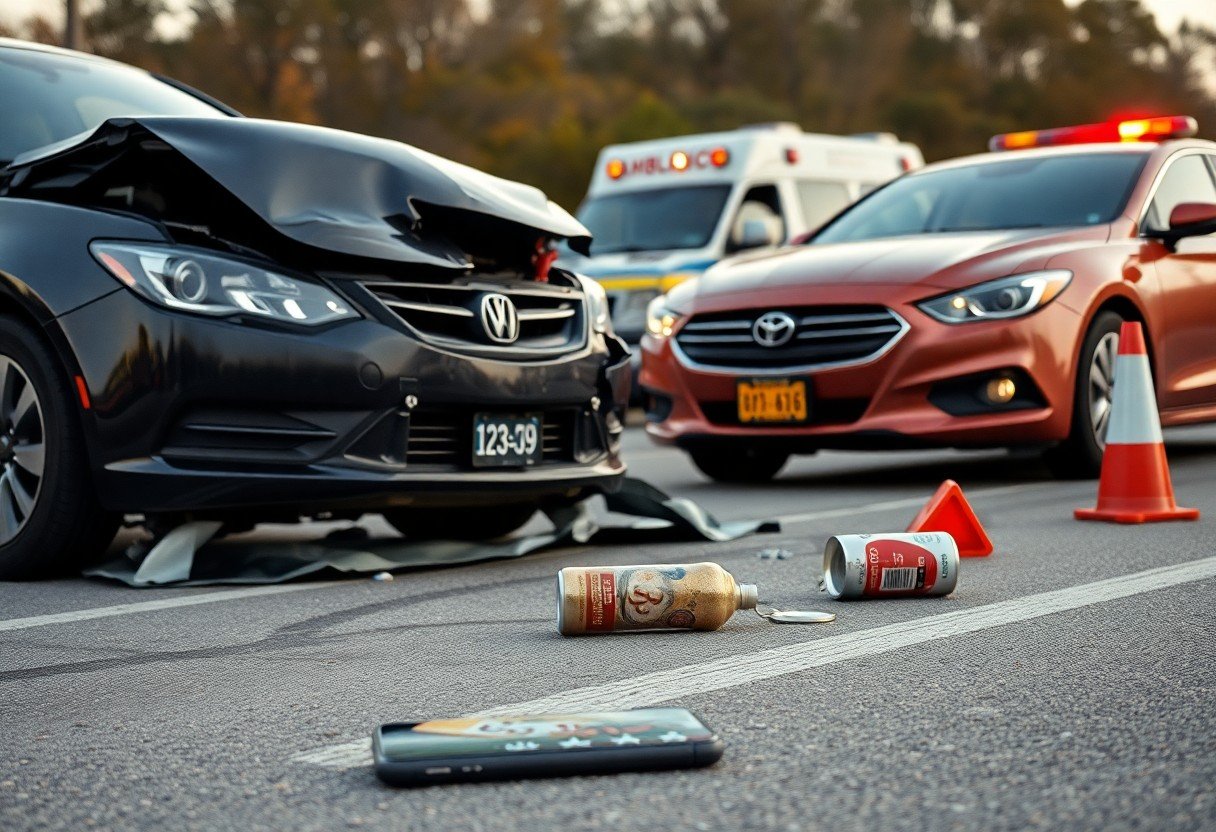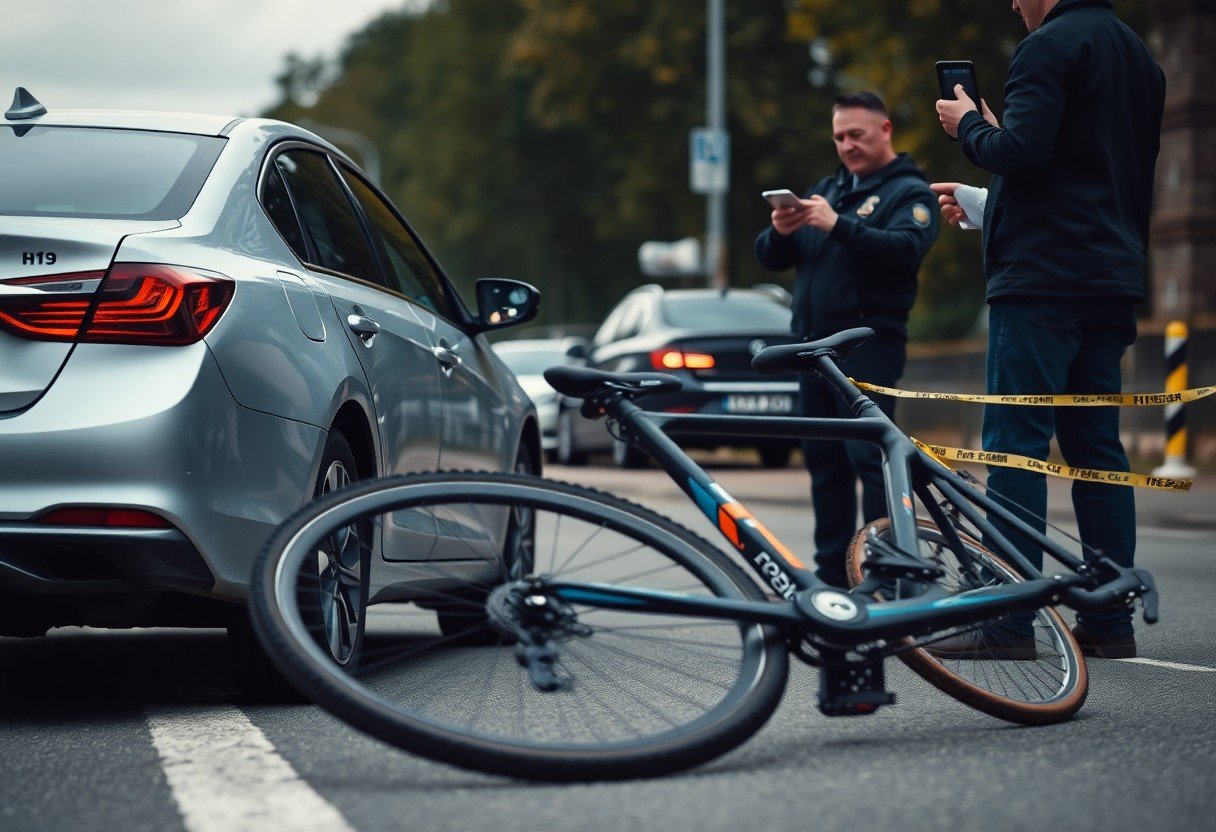
Dooring incidents occur when a vehicle door is opened into the path of a cyclist or pedestrian; you should know who may be at fault and what evidence protects your claim. Document time, exact location, photos of vehicle position, road markings, damage and injuries, witness names and contact details, video if available, the driver’s identity and insurance, and a police report and medical records to link injuries to the event. Prompt, thorough documentation strengthens your case.
Key Takeaways:
- Primary responsibility typically rests with the person who opens the door (driver or passenger); vehicle owners or employers can be vicariously liable in some situations.
- Document the scene thoroughly: photos of the vehicle and door position, bike damage, injuries, road layout, bike lane markings, signage, lighting, weather, and timestamps.
- Collect contact and ID details: driver/passenger license, vehicle registration, insurance information, plus witness names, phone numbers, and any available video sources (dashcam, surveillance, traffic cameras).
- Obtain medical attention and preserve records: ER notes, treatment bills, photos of injuries, and retain damaged equipment and clothing (including helmet) as evidence.
- Gather evidence of negligence: statements about mirror checks or distraction, dashcam/bodycam footage, police report, and relevant local dooring or traffic laws.
Understanding Dooring Accidents
Definition of Dooring Accidents
You face a dooring when someone opens a vehicle door into your path, striking you or forcing an evasive maneuver; legally it’s often treated as a collision between the door opener and the cyclist, pedestrian, or motorcyclist. Courts and police frequently assign responsibility to the person who opened the door because they had a duty to check traffic before exiting, and injuries commonly include fractures and abrasions.
Common Causes and Scenarios
You most often encounter dooring in curbside bike lanes, during rush hour, or near ride‑hail and delivery stops where occupants exit toward traffic without checking. Typical scenarios include drivers opening doors while distracted by phones, passengers exiting on the traffic side, or taxi and rideshare drivers stopping briefly in travel lanes; low visibility at night and narrow parking lanes compound the risk.
You can assess risk by speed and distance: at 12 mph you cover about 17.6 feet per second, so if a door opens within 10 feet you have under 0.6 seconds to react, making evasive braking unlikely. Case examples show delivery vehicles and rideshare pickups account for a large share of urban dooring incidents, and educating occupants on the “Dutch Reach” can reduce occurrences.
Identifying Responsibility
Responsibility hinges on who opened the door, whether you or the vehicle occupant checked mirrors and blind spots, and the roadway context-marked bike lanes, posted signs, and speeds matter. Evidence like photos, helmet-cam video, witness statements, and the police report influence courts; civil damages typically cover medical bills, lost wages, and pain-and-suffering. Many jurisdictions also impose fines for improperly opening a door, and comparative-negligence rules can split fault between parties.
Liability of Drivers
You and your passengers have a duty to ensure it’s safe before opening a door; state vehicle codes commonly prohibit opening a door into traffic without due care. If you violate that duty, you can be cited (fines often range $50-$250) and face civil liability for medical costs and other damages. Photographs of the scene, door angle, surveillance footage, and testimony about whether mirrors were checked are key to proving the driver’s negligence.
Liability of Cyclists and Passengers
You can share or bear full liability if you ride too close to parked cars, fail to maintain a predictable line, or ignore traffic laws; courts often consider whether you rode within the “door zone” (generally within about 3 feet of parked cars). Passengers who open doors without looking can also be held responsible. Evidence of your speed, lane position, and any evasive maneuvers will affect fault allocation under comparative-negligence rules.
More detail: when fault is disputed, expect investigators to assess distance from curb, presence of a marked bike lane, and whether you had time to react-helmet-cam and CCTV footage frequently tip the balance. Courts weigh whether you signaled or swerved suddenly, whether the opener had a reasonable opportunity to see you, and municipal rules (e.g., three-foot passing or bike-lane protections). That granular evidence often determines percentage of fault and resulting damages.
Legal Implications
In dooring cases, you can face both civil and criminal exposure depending on evidence and local law; courts often analyze negligence, duty of care, and whether the opener breached a statutory duty. Judges and juries weigh factors like visibility, door position, and whether the opener checked mirrors or traffic. Employers or ride-hailing companies may share liability for employees or contractors, and municipalities sometimes adopt ordinances increasing penalties to deter negligent door openings.
State Laws and Regulations
Several states explicitly address dooring-states such as California, Oregon, and New York assign responsibility to the person opening the vehicle when their action interferes with traffic-while other states apply general negligence principles. You should know whether your state uses comparative fault, contributory negligence, or negligence per se for statutory violations, because that framework directly affects how damages are apportioned in a claim.
Insurance Considerations
File a claim against the vehicle owner’s liability policy promptly, since insurers investigate and assign fault based on photos, witness statements, and medical records; many insurers expect notice within days and delays can complicate coverage. If the driver is uninsured or underinsured, your UM/UIM coverage may apply, and comparative-fault rules-common in many states-will reduce recovery proportionally to any percentage assigned to your negligence.
Expect insurers to evaluate both bodily injury and property-damage components separately: for example, if you have $5,000 in medical bills and an insurer assigns 80% fault to the opener, recovery often equals $4,000 after proportional reduction. Subrogation can come into play when your insurer pays you and pursues the at-fault party; documentation that ties the door position, time, and witnesses to the opener’s conduct strengthens both initial claims and later subrogation efforts.
What to Document After an Accident
You should document the exact time (to the minute), street address or block, vehicle plate, make/model/color, door position, bike damage, your injuries and clothing, helmet condition, road markings and weather, plus at least 8-12 photos and a 30-60 second timestamped video; call police, seek medical care, and note any immediate statements from the driver or passengers for insurance or legal use.
Collecting Evidence
You should take wide shots showing the curb, bike and vehicle relationship, then close-ups of the license plate, door hinge, scuffs on the frame, helmet dents and skid marks; measure distance from the curb if you can, record a 30-60 second panoramic video, and secure CCTV or dashcam footage from nearby businesses or drivers within 48-72 hours before it’s overwritten.
Importance of Witness Statements
You should ask witnesses for full name, phone and email, a short account of what they saw, their exact vantage point and whether they filmed the event; try to collect contact details for at least three witnesses and capture a brief audio or written statement within 24 hours while details are freshest.
You should, if they agree, record witnesses describing whether the door opened before you reached it, whether the driver looked or signaled, estimated speeds or distances, and any timestamped photos or videos; signed, timestamped statements or on-phone video with location metadata strengthen your case when matched to your photos and the police report.
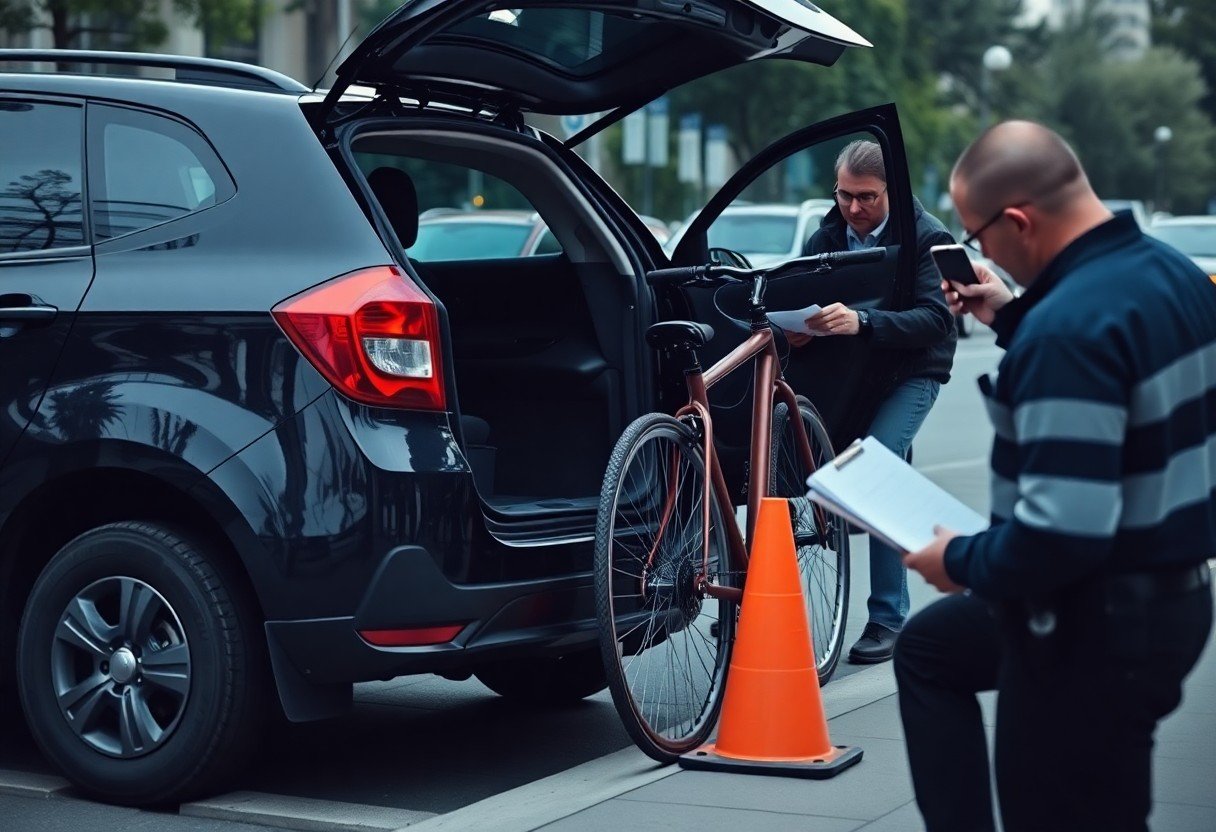
Safety Measures and Prevention
Adopt simple, repeatable habits: use the Dutch Reach when exiting, scan mirrors and over-the-shoulder for 2-3 seconds, and give passing cyclists at least 1 meter (3 ft) clearance. Cities that add protected bike lanes and clear bike-box markings see far fewer dooring reports. You should also encourage employers and fleets to include a 5-10 minute dooring demonstration in onboarding so the practice becomes routine.
Awareness Campaigns
You can support targeted campaigns that combine signage, short workshops, and social media PSAs to change behavior. Vision Zero programs often include dooring modules; integrating a 10-15 minute Dutch Reach demo into driver education or delivery training increases retention. Local bike coalitions partnering with transit agencies can place curbside decals and posters at high-risk streets to cut incidents during peak commuting hours.
Best Practices for Drivers and Cyclists
Drivers should open doors slowly, use the far-hand method, and pause for 2-3 seconds after checking mirrors; cyclists should ride at least 1 meter from parked cars and assume a door could open unexpectedly. You minimize risk by slowing to a controlled speed-10-15 mph (16-24 km/h) in dense areas-and by using clear eye contact or a bell when passing parked vehicles.
For more detail, you should position your bike lane use proactively: when lanes are narrow, move into the center of the travel lane before a block of parked cars to avoid the door zone, signaling your move early. Drivers exiting parked cars ought to keep the door partially closed until the roadway is clear and avoid stepping directly into traffic; delivery drivers who add a 30-second mirror-and-reach check between stops report far fewer close calls. Practice these steps until they become automatic.
Resources for Victims
You can find practical guidance and case examples at Dooring Accidents: Rights and Responsibilities, including evidence checklists, sample demand letters, and tips for preserving crash scene photos; also collect witness names, vehicle plates, and file a police report within 24-72 hours to strengthen your claim and insurance response.
Legal Support
If you pursue compensation, you should consult an attorney experienced in bike or pedestrian cases; statutes of limitations typically range from 1 to 6 years depending on state, and contingency fees commonly run 33-40%; provide your lawyer with police reports, photos, medical bills, witness contacts, and bike repair estimates to build liability and damages quickly.
Medical Assistance
Seek medical evaluation within 72 hours for head, neck, or abdominal pain; emergency departments will document acute injuries with X‑rays or CT scans, while urgent care can handle minor abrasions-preserve all records and receipts, follow prescribed treatment, and note ongoing symptoms to support future claims and recovery tracking.
Concussions and soft‑tissue injuries often emerge over days-monitor headaches, dizziness, memory lapses, or worsening stiffness; request written diagnoses and imaging reports, get physical therapy referrals (typical PT is 2-3 sessions/week for 4-8 weeks), keep a symptom diary, and obtain copies of all bills to quantify economic and non‑economic damages during settlement negotiations.
Conclusion
Drawing together the key points, you will often find the person who opened the door is responsible, but your priority is thorough documentation: take photos of vehicle and door position, road markings, injuries and damage; note time, location and weather; collect witness names and contact details and any video evidence; report the incident to police and your insurer promptly to support your claim.
FAQ
Q: Who is usually responsible for a dooring accident?
A: Responsibility most often falls on the person who opened the door (driver or passenger) because they have a duty to ensure it is safe to open into traffic. Local “dooring” statutes, right-of-way rules, and traffic law violations will be applied; bicyclists can be partially responsible if they were riding recklessly or in the wrong lane. Liability can be shared under comparative negligence systems, so fault is allocated based on each party’s actions and proximate cause.
Q: What should I document at the scene immediately after a dooring collision?
A: Photograph the vehicle, the open door, your bicycle, any skid marks, road markings, signage, traffic lane layout, curb lines, and any visible injuries from multiple angles. Record the exact location, date, time, weather, lighting conditions, and your position on the roadway. Get names, phone numbers, addresses, license plate, driver’s license number, vehicle make/model, and insurance information from the driver. Collect witness names and contact details and ask if they will give a statement. Preserve any dashcam, helmet-cam, or nearby CCTV footage and note where cameras are located.
Q: How should I document injuries and medical treatment after a dooring accident?
A: Seek medical attention immediately and follow up as directed; obtain copies of emergency room notes, imaging reports, diagnoses, prescriptions, referrals, therapy records, and receipts for all medical expenses. Photograph visible injuries and any changes over time, and keep a daily log of pain levels, mobility limitations, sleep disruption, medications, and activities you cannot perform. Maintain records of lost wages, missed work dates, and communications with healthcare providers about prognosis and restrictions.
Q: What digital and physical evidence preserves the best case for proving fault in a dooring claim?
A: Preserve original digital files (photos, videos) with timestamps and metadata; download footage from doorbell cams, business CCTV, traffic cameras, and any dashcams before it is overwritten. Save text messages, emails, social media posts, and ride-tracking or GPS data showing your route and speed. Keep the bicycle, helmet, and clothing if possible, or photograph them in detail before repair; document repair estimates and receipts for equipment and bike damage. Log all contacts, statements, and names of officials who respond.
Q: What details should I report to police and insurance, and how should I describe the incident?
A: Provide a concise, factual sequence: your direction of travel, lane position, whether you were in a bike lane, the vehicle’s stopped position, which door was opened and by whom, and any admissions or statements made at the scene. Include time, weather, injuries, property damage estimates, witness contacts, and reference any collected photos or video. Obtain a police report number and officer name/badge, and give insurers the same factual account plus copies of medical records, photos, repair estimates, and witness information; avoid speculation about motive or blame and stick to observable facts.