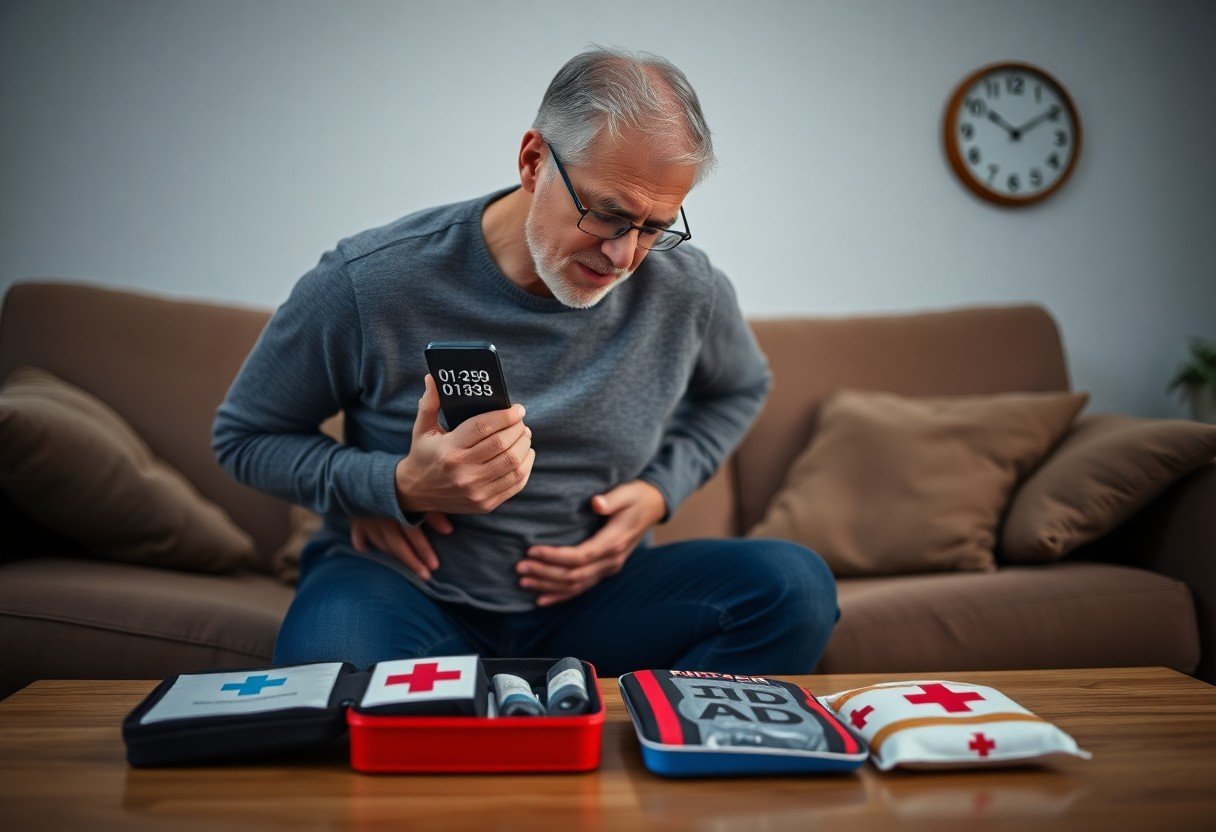
You felt fine at first, but delayed pain can indicate hidden injury or inflammation; assess severity, limit movement, apply ice or heat as appropriate, track symptoms, use over-the-counter analgesics cautiously, and consult a clinician if pain worsens or function declines.
Key Takeaways:
- Monitor the pain and other symptoms, noting onset time, location, intensity, pattern, and any triggers.
- Stop the activity and rest the affected area; avoid putting weight on it if it hurts.
- Apply basic first aid: ice to reduce swelling, compression and keep the limb raised if appropriate, and take over-the-counter pain relievers if safe for you.
- Seek immediate medical care for red flags such as severe or worsening pain, numbness, loss of function, deformity, high fever, or signs of infection.
- Follow up with a healthcare provider if pain persists beyond a few days, worsens, or interferes with daily activities; imaging or physical therapy may be recommended.
The Physiology of Delayed Pain Response
Your nervous system often suppresses pain right after injury through protective reflexes and stress hormones, so you can feel fine initially even if tissues are damaged; pain may appear later as signaling catches up and inflammation begins.
The Role of Adrenaline and Endorphins in Masking Injury
Adrenaline and endorphins blunt pain and keep you moving after trauma, masking symptoms until levels fall; once that buffer fades, you may notice escalating soreness, weakness, or instability.
Inflammatory Progression and Soft Tissue Swelling
Inflammation drives delayed pain by increasing fluid, immune activity, and chemical mediators that sensitize nerves, so you often experience swelling, warmth, and worsening pain hours later.
Swelling results from blood vessel dilation and increased permeability that allow plasma and immune cells into injured tissues, raising pressure and activating nociceptors; you’ll feel throbbing, stiffness, and reduced range of motion as nerves become more sensitive. If pain or dysfunction worsens or you can’t bear weight or use the limb, seek clinical assessment.
Identifying Injuries with Latent Symptoms
Signs of delayed pain can appear hours or days after an impact, so you should monitor symptoms and consult resources like Delayed Injury Symptoms to Watch After an Accident to know when to seek medical care.
Whiplash and Cervical Spine Strains
Whiplash often produces neck stiffness, delayed pain, and reduced range of motion, so you should limit strain, use ice or heat, and see a clinician if numbness or weakness develops.
Concussions and Traumatic Brain Injuries
Concussions may not show immediate symptoms, and you should watch for headaches, confusion, memory gaps, or sleep changes while avoiding driving or strenuous activity.
Monitor your cognition and mood closely, seek urgent care for worsening headaches, repeated vomiting, seizures, loss of consciousness, or unequal pupils, and follow medical guidance on gradual return to activity.
Internal Bleeding and Organ Damage
Internal bleeding can be subtle; you should note abdominal pain, dizziness, fainting, lightheadedness, or unexplained swelling and get immediate evaluation after any significant impact.
Seek emergency care if you experience persistent belly pain, low blood pressure signs, rapid heart rate, confusion, or drop in consciousness, since delays increase risk of organ damage.
Immediate Actions Following an Accident
After an accident, you should stay put if injured, call emergency services, and have someone document your condition; avoid assuming minor comfort means you’re unharmed, since swelling and internal injuries can appear later.
Seeking a Comprehensive Medical Screening
Schedule a full medical evaluation as soon as possible, including tests for internal injuries and soft-tissue damage; you may not feel symptoms yet, and a complete record supports treatment and potential claims.
Documenting the Incident and Initial Physical State
Capture photos of the scene and your visible injuries, note what you felt immediately, and get contact details of witnesses to preserve an accurate record before symptoms evolve.
Keep detailed notes of pain levels, mobility changes, medications, and conversations with healthcare providers, timestamp entries, and save reports and receipts to support medical treatment and legal claims.
Protecting Your Legal and Insurance Interests
You must document symptoms, get timely medical exams, and consult legal counsel before accepting any offer, since delayed pain can affect compensation and claim timetables.
The Dangers of Early Insurance Settlements
Avoiding early settlement pressure protects you; if you accept money before symptoms appear, you may waive later claims and reduce medical coverage.
Establishing a Causal Link Between the Event and Late-Onset Pain
Proving causation requires clear medical records, contemporaneous notes, and a clinician’s opinion tying your symptoms to the incident.
Medical documentation should include the initial incident report, follow-up visits, diagnostic imaging, and treatment plans that show symptom progression; you should obtain a treating physician’s written opinion linking current pain to the event and consider an independent medical examination or expert affidavit if insurers dispute causation.
Monitoring and Documentation Strategies
Monitor changes closely by noting timing, triggers, intensity, and relief measures so you can share clear information with providers; consistent records improve diagnostic accuracy and speed treatment adjustments when pain develops after an initial asymptomatic period.
Maintaining a Detailed Symptom Journal
Keep a daily log of pain onset, duration, intensity (scale 0-10), accompanying symptoms, and activities you performed beforehand, including medications and relief attempts, so your clinician can identify patterns and rule out intermittent causes efficiently.
Adhering to Diagnostic Follow-Up Appointments
Schedule and attend recommended tests and follow-ups promptly, even if pain wanes, because you may need imaging or labs to catch evolving conditions and provide a clear baseline for comparison over time.
Bring your symptom journal, medication list, and any prior records to appointments, ask about expected timelines and red flags, clarify next steps for inconclusive results, and confirm how and when you’ll receive test outcomes to avoid delays in care.
Navigating the Recovery Process
Recovering after initial pain settles requires steady follow-through: follow your care plan, rest when needed, slowly reintroduce activity, and report any new or worsening symptoms to your provider promptly.
Understanding Long-Term Treatment Requirements
Long-term treatment often combines therapy, medications, and periodic follow-ups; you should expect reassessments, goal adjustments, and coordination with specialists as symptoms evolve.
Recognizing Red Flag Symptoms That Require Emergency Care
Watch for sudden weakness, loss of bowel or bladder control, severe progressive numbness, high fever, chest pain, or difficulty breathing; seek emergency care immediately if these signs appear.
If you notice those red flags, call emergency services or go to the nearest ED immediately; do not delay. Bring a list of medications, recent imaging, and contact information for your clinician. Explain symptom onset and progression clearly. If you have severe pain, new weakness, loss of sensation in the groin, uncontrolled bleeding, high fever with confusion, or trouble breathing, do not attempt to self-transport.
Final Words
The later-onset pain means you should stop activity, apply ice or heat as appropriate, support the area, monitor symptoms, and get medical evaluation if pain is severe, worsening, or comes with numbness or swelling.
FAQ
Q: What should I do immediately if I felt fine at first but pain began later?
A: Stop the activity that might have caused the pain and sit or lie down to avoid worsening the injury. Observe the location, quality, intensity, and whether the pain spreads or improves with rest. Apply ice to acute injuries for 15-20 minutes every 1-2 hours during the first 48 hours; use a compression wrap and keep the area elevated if swelling is present. Avoid anti-inflammatory medications if you suspect internal bleeding or have contraindications; use acetaminophen for pain relief if appropriate. Seek medical attention right away for deformity, uncontrollable bleeding, numbness, weakness, fainting, difficulty breathing, chest pain, or rapidly increasing pain. If symptoms are mild, rest and monitor for 24-48 hours while tracking any changes.
Q: Which signs mean I should go to the emergency department instead of treating at home?
A: Go to the emergency department now if you have severe pain that started suddenly and is getting worse, loss of consciousness, persistent vomiting, high fever with pain, signs of infection such as redness spreading from the injury, increasing swelling with numbness or loss of movement, or any breathing problems or chest pain. Seek urgent care if you cannot move a limb, if a joint looks deformed, or if bleeding won’t stop after firm pressure for 10-15 minutes. Contact emergency services for suspected head, neck, or spinal injury, or if the person is confused, dizzy, or has slurred speech.
Q: How should I monitor symptoms and when should I call my doctor?
A: Keep a written log of symptom onset time, activities before pain started, pain intensity on a 0-10 scale, accompanying symptoms (fever, numbness, weakness), and any treatments you try. Call your primary care provider if pain persists beyond 48-72 hours despite basic care, if pain increases instead of improving, if new neurological signs develop (numbness, tingling, weakness), or if fever accompanies the pain. Inform your provider if you have medical conditions or take blood thinners, because delayed bleeding or complications may require evaluation sooner. Bring the symptom log and a list of medications to your appointment to help the clinician assess trends and triggers.
Q: What at-home treatments help when pain starts later and seems minor?
A: For mild soft-tissue pain, use the RICE approach: rest the area, ice for 15-20 minutes intermittently, compress with a wrap if appropriate, and elevate to reduce swelling. Use over-the-counter pain relievers such as acetaminophen, or NSAIDs if you have no contraindications and bleeding risk is low. Gentle range-of-motion exercises after 48-72 hours can reduce stiffness, but stop any movement that increases sharp pain. Apply heat only after the initial swelling has gone down or for chronic muscle soreness. If pain limits daily activities for more than a few days, arrange medical follow-up for targeted treatment and diagnostic testing if needed.
Q: What common causes explain feeling fine at first but developing pain later, and how can I reduce that risk?
A: Common causes include delayed inflammatory response to a minor strain or sprain, small tears that swell later, referred pain from internal organs, stress fractures that worsen with continued use, and infection or inflammatory flare-ups after an initial injury. Overuse without adequate recovery can allow microdamage to accumulate and become painful hours later. Reduce risk by warming up properly before activity, pacing increases in intensity or duration, using appropriate equipment and footwear, staying hydrated, and allowing rest between intense sessions. Seek evaluation for persistent or unexplained delayed pain to rule out fractures, internal injury, or infection and to get a tailored prevention plan.