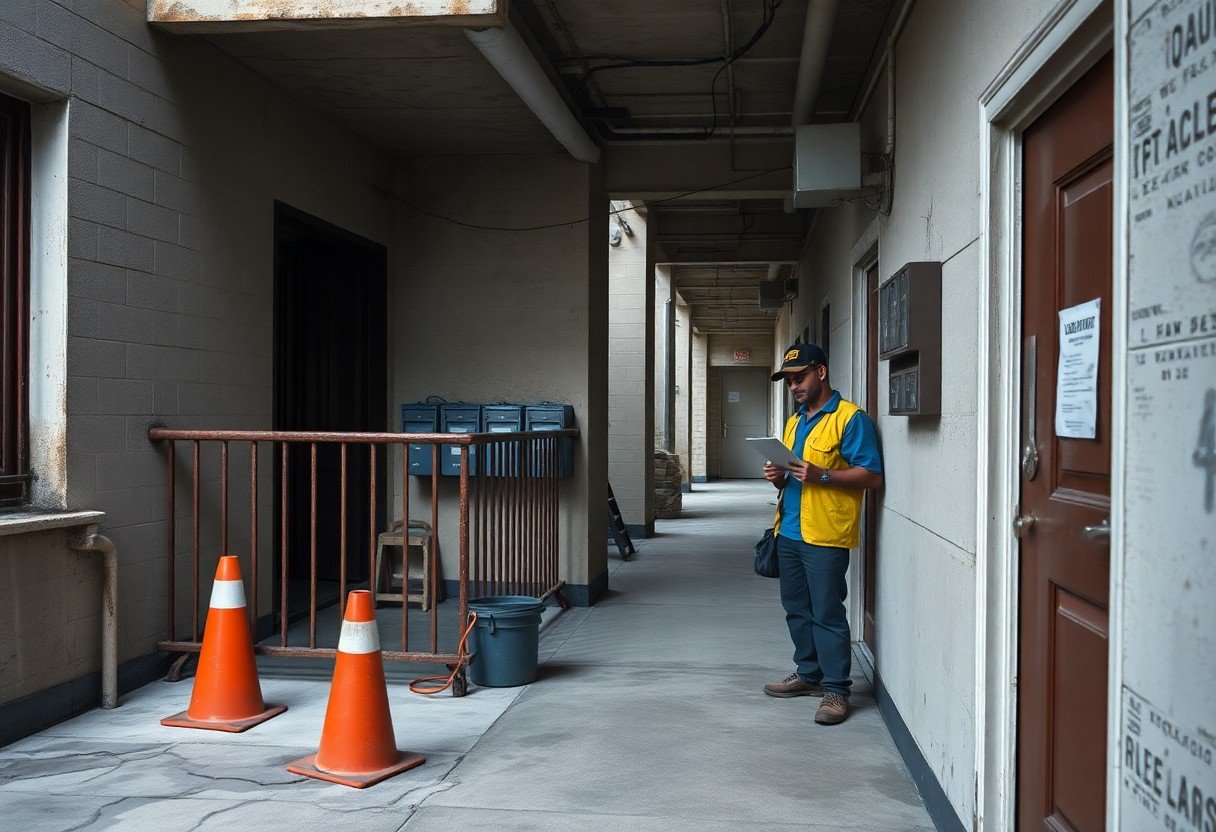
There’s a range of apartment complex hazards-faulty wiring, water leaks and mold, broken railings, pest infestations, blocked exits, and inadequate fire or carbon monoxide safeguards-that your landlord is responsible for preventing and fixing; you should expect timely repairs, regular safety inspections, code-compliant systems, proper lighting in common areas, pest control, disclosure of known risks, and emergency procedures so your home and wellbeing are protected and your rights are enforceable.
Key Takeaways:
- Landlords must maintain common areas and promptly repair hazards such as broken stairs, inadequate lighting, and damaged sidewalks.
- There is a duty to inspect and address known or reasonably discoverable hazards and to respond to tenant complaints within a reasonable time frame.
- Provide and maintain functioning safety systems, including smoke and carbon monoxide detectors, secure locks, and required fire safety equipment.
- Warn tenants of known dangerous conditions and take interim measures (signage, barriers, temporary fixes) while arranging permanent repairs.
- Landlord liability can arise from negligence; compliance with local building, housing, and safety codes helps reduce legal risk.
Understanding Apartment Complex Hazards
You should evaluate hazards across both private units and common areas-water intrusion, mold, faulty wiring, uneven walkways, and poor lighting all translate into injuries, code violations, and insurance claims. NFPA data show cooking and electrical failures are leading causes of residential fires, while slip-and-fall incidents frequently generate premises-liability suits. When you map these risks, prioritize interventions that reduce immediate danger and the likelihood of costly litigation or tenant displacement.
Common Hazards in Apartment Complexes
You regularly encounter hazards like leaking roofs that cause mold growth, overloaded circuits that spark fires, blocked fire exits, cracked sidewalks that produce trip injuries, and inadequate exterior lighting that invites assaults and vandalism. Mold remediation can run into thousands of dollars per unit in severe cases, and failure to maintain egress or fire alarms has led to multi-million-dollar verdicts in high-profile cases-so you need to track incidence, repairs, and recurring problem spots.
Legal Implications of Hazards
You face liability when hazards result from your failure to repair, warn, or comply with codes; courts apply actual or constructive notice standards to determine responsibility. Many jurisdictions require prompt correction of vital-service defects-often measured in days for heat or water-and violations can trigger tenant rent withholding, administrative fines, or successful personal-injury claims against you. Maintain clear repair logs and formal notices to mitigate exposure.
When a tenant is injured or suffers property loss, you can be sued for compensatory damages (medical costs, lost wages, property repair), and in cases of gross negligence punitive damages may apply. Statutes of limitations vary-commonly 1-6 years-so you should preserve evidence immediately: photographs, maintenance tickets, inspection reports, and dated tenant notices sent via certified mail. Proper documentation also streamlines defense with insurer cooperation and can reduce settlement amounts.
Landlord Responsibilities
You are responsible for ensuring habitability and code compliance: maintain roofing, foundations, plumbing, heating, and electrical systems; keep common areas lit and secure; provide functioning smoke and carbon monoxide detectors; and address pest infestations. Many jurisdictions impose an implied warranty of habitability and require prompt action on safety hazards, with courts enforcing remedies when landlords fail to act. Document requests, repairs, and inspections to protect yourself and create evidence if disputes arise.
Maintenance and Safety Standards
Routine upkeep includes scheduled HVAC servicing (at least annually), replacing smoke detectors per manufacturer guidance, testing GFCI outlets in kitchens and bathrooms, and keeping stairways, handrails, and emergency exits clear and illuminated. You should hire licensed electricians or plumbers for code-level work, maintain exterior lighting for security, and follow local building codes-noncompliance can trigger fines or tenant claims under housing ordinances.
Timely Repairs and Inspections
Prioritize emergency repairs-gas leaks, no heat in freezing weather, major water leaks, or exposed live wires-responding within 24-72 hours where possible; address non-emergency issues like leaking pipes or broken windows within a reasonable timeframe, often 3-30 days depending on severity. You must schedule inspections promptly after reports, use qualified contractors for safety-critical fixes, and provide tenants with written timelines so they know when repairs will occur.
Keep meticulous records: log repair requests, work orders, photos, invoices, and tenant communications to show timely action; conduct move-in and annual inspections and re-inspect after major repairs. If you fail to act, tenants may withhold rent, hire contractors and deduct costs, or file housing complaints-many states cap repair-and-deduct remedies by dollar amount or to one month’s rent-so check local statutes and respond promptly to avoid escalation.
Tenant Rights and Remedies
You can demand prompt repairs and pursue remedies when hazards persist: emergency issues like gas leaks or no heat typically require action within 24-72 hours, while non-emergencies often allow 7-14 days for cure. If the landlord fails to act, options include repair-and-deduct (limits often cap at one month’s rent or $500 depending on state), rent abatement, code enforcement complaints, and litigation; preserve photos, dated notices, and receipts to support rent-reduction or damage claims in court.
Reporting Hazards
Send written notice immediately and keep copies: email plus certified mail provides a clear paper trail. Include dates, detailed descriptions, photos with timestamps, and cite the lease paragraph or local housing code violated. File a simultaneous complaint with local code enforcement or the health department when hazards are severe; their inspection reports are powerful evidence, and many municipalities post inspection timelines online for fast follow-up.
Seeking Compensation
Document losses carefully to pursue compensation: save medical bills, property repair receipts, lost-wage records, and inspection reports. You can seek rent abatement, small-claims remedies (limits often range $5,000-$10,000), or sue for tort damages in higher courts. Statutes of limitations vary by state-commonly 2-6 years-so act promptly and assemble evidence before deadlines expire.
Begin by compiling a chronology with dated photos, correspondence, and repair quotes; then obtain a code-enforcement inspection or contractor estimate to establish habitability breach and cost. Send a formal demand letter with a clear dollar amount and a 10-14 day deadline; include copies of all receipts and the inspection report. If the landlord ignores it, file in small claims for modest sums or consult a tenant attorney for larger claims-some statutes or leases permit recovery of attorney fees and statutory damages, which can influence settlement leverage.
Legal Ramifications for Non-Compliance
When you ignore building-code or habitability duties, municipal fines, license suspensions and higher insurance premiums are common outcomes. Courts have enforced the implied warranty of habitability since Javins v. First National Realty Corp. (1970), enabling tenants to seek rent abatement and damages. Statutory penalties can reach thousands per violation and statutes of limitation for tort or contract claims typically run between 2 and 6 years, depending on jurisdiction.
Consequences for Landlords
You face civil liability for tenant injuries, administrative repair orders, and potential suspension of rental licenses. Code enforcement often levies daily fines-frequently hundreds to thousands per day-and insurers may raise premiums or deny coverage for willful neglect. Courts commonly award tenants’ attorneys’ fees and court costs, which shifts substantial litigation expense onto you along with any compensation or punitive awards.
Tenant Legal Actions
You should expect tenants to withhold rent, pursue repair-and-deduct remedies, or sue for rent abatement and damages when conditions violate habitability standards. Courts can issue injunctive relief forcing repairs within days or weeks, and some statutes authorize treble or statutory damages for willful violations. Typical tenant remedies include paid repairs, reduced rent, and compensation for property loss or personal injury.
You must assume tenants will document defects with dated photos and written notices; courts and inspectors heavily weight that evidence. Many jurisdictions permit repair‑and‑deduct (e.g., California caps it at one month’s rent per 12 months), rent escrow, or housing‑court injunctions that require fixes within 10-30 days. Significant awards of attorneys’ fees and statutory damages frequently place the financial burden squarely on you as landlord.
Best Practices for Landlords
Adopt clear protocols: you should conduct quarterly inspections, document all repairs, and respond to emergencies within 24 hours and non-urgent requests within 14 days. Keep paper and digital logs for work orders, require contractors to submit receipts, and provide tenants with a one-page maintenance guide; see Tenant and Landlord Responsibilities Explained for role clarity.
Preventative Measures
You should schedule HVAC servicing annually, roof inspections every spring, and pest control every 3-6 months; install smoke and CO alarms on each floor and outside sleeping areas, replace batteries yearly and devices every 5-7 years, trim trees within 10 feet of structures, keep gutters clear, and verify fire exits and egress lighting meet local codes.
Creating a Safe Living Environment
You must secure access and visibility: install deadbolts with at least a 1-inch throw, reinforce strike plates, fit motion-sensor exterior lighting covering 15-25 feet, maintain corridor illumination around 20 lux, and ensure handrails are 34-38 inches high to meet common building standards.
Beyond hardware, implement tenant-facing controls: you can run safety orientations, post evacuation maps and emergency contacts in lobbies, require prompt reporting of damaged locks or lighting, schedule annual fire-extinguisher and elevator inspections, and coordinate with local police for a CPTED (Crime Prevention Through Environmental Design) review to lower incident risk and liability exposure.
Summing up
As a reminder, you should expect your landlord to identify and remedy apartment complex hazards, maintain common areas and systems, provide timely repairs and clear notices, and follow local safety codes; you have the right to report unresolved dangers, document issues, withhold rent or seek legal remedies when your health or safety is at risk.
FAQ
Q: What types of hazards in an apartment complex are landlords typically responsible for addressing?
A: Landlords are generally responsible for hazards that affect habitability and safety, including major plumbing failures, electrical malfunctions, structural defects, fire and carbon monoxide risks, severe pest infestations, toxic mold growth from building leaks, and known lead or asbestos hazards. Responsibilities extend to common areas (stairwells, hallways, elevators) and building systems (heating, water, fire suppression). Local housing codes and lease terms can expand or specify these duties.
Q: How quickly must a landlord repair hazardous conditions and what counts as an emergency?
A: Emergency hazards-such as gas leaks, no heat in winter, major water leaks, exposed wiring, or conditions creating immediate risk of injury-require immediate or very prompt action, often within 24 hours or less depending on local law. Non-emergency but serious hazards (persistent leaks, mold, repetitive plumbing or electrical problems) should be addressed within a reasonable time after notice, typically defined by statute or local code. Tenants should notify landlords in writing; if the landlord fails to act, remedies may include code complaints, withholding rent where legally permitted, or arranging repairs and deducting costs per local law.
Q: What duties do landlords have regarding mold, water intrusion, and remediation standards?
A: Landlords must investigate and remediate mold and water intrusion stemming from building defects or failure to maintain systems. Duties include promptly locating the source (leak, condensation, drainage issue), stopping water entry, performing professional remediation when infestation is significant, and repairing underlying defects. Proper remediation typically requires drying, removing contaminated materials when necessary, and following public health or industry guidance; landlords should engage qualified contractors and document actions taken.
Q: If a hazard is caused by a tenant, contractor, or third party, who is responsible for fixing it?
A: Responsibility depends on the cause and lease terms. Landlords remain responsible for maintaining common systems and structural components even when a tenant’s action reveals a defect. If a tenant, guest, or hired contractor caused damage or created the hazard through negligence or lease violations, the landlord may bill the responsible party for repair costs or seek compensation. Landlords should investigate, document responsibility, provide notice of required repairs, and follow lease dispute procedures and local law before charging tenants.
Q: What documentation, notices, and legal steps should both landlords and tenants follow when dealing with complex hazards?
A: Landlords should keep maintenance logs, inspection reports, repair invoices, contractor licenses, and written tenant notices. Tenants should report hazards in writing with dates and photos, keep copies of communications, and retain receipts if arranging emergency repairs permitted by law. Both parties should be aware of local building and health codes, follow required notice periods for entry and repair, and use certified contractors for regulated hazards (lead, asbestos). If hazards persist, parties may contact local code enforcement, seek mediation, or pursue court action; insurance claims and attorney consultation are advisable for significant damage or injury.