Liability in delivery van accidents depends on who controlled the vehicle, whether the driver acted within the scope of employment, and your carrier’s maintenance and training practices; you should know how employer vicarious liability, independent contractor status, vehicle maintenance, and insurance limits influence fault and compensation.
Key Takeaways:
- Employers are often vicariously liable for employee drivers acting within the scope of employment; independent-contractor status and control over the driver determine exceptions.
- Vehicle owners, leasing companies, fleet managers, and maintenance providers can be directly liable for negligent maintenance, defects, or unsafe vehicle conditions.
- Drivers are personally liable for negligent acts and regulatory violations (e.g., hours-of-service, DUI), which also heighten employer and carrier exposure.
- Commercial auto policies and employer liability coverage are primary sources of recovery; personal policies may exclude business use and create coverage gaps.
- Electronic logs, GPS/dispatch records, inspection reports, and witness statements are key evidence to allocate fault and establish whether actions were within employment scope.
Understanding Delivery Van Accidents
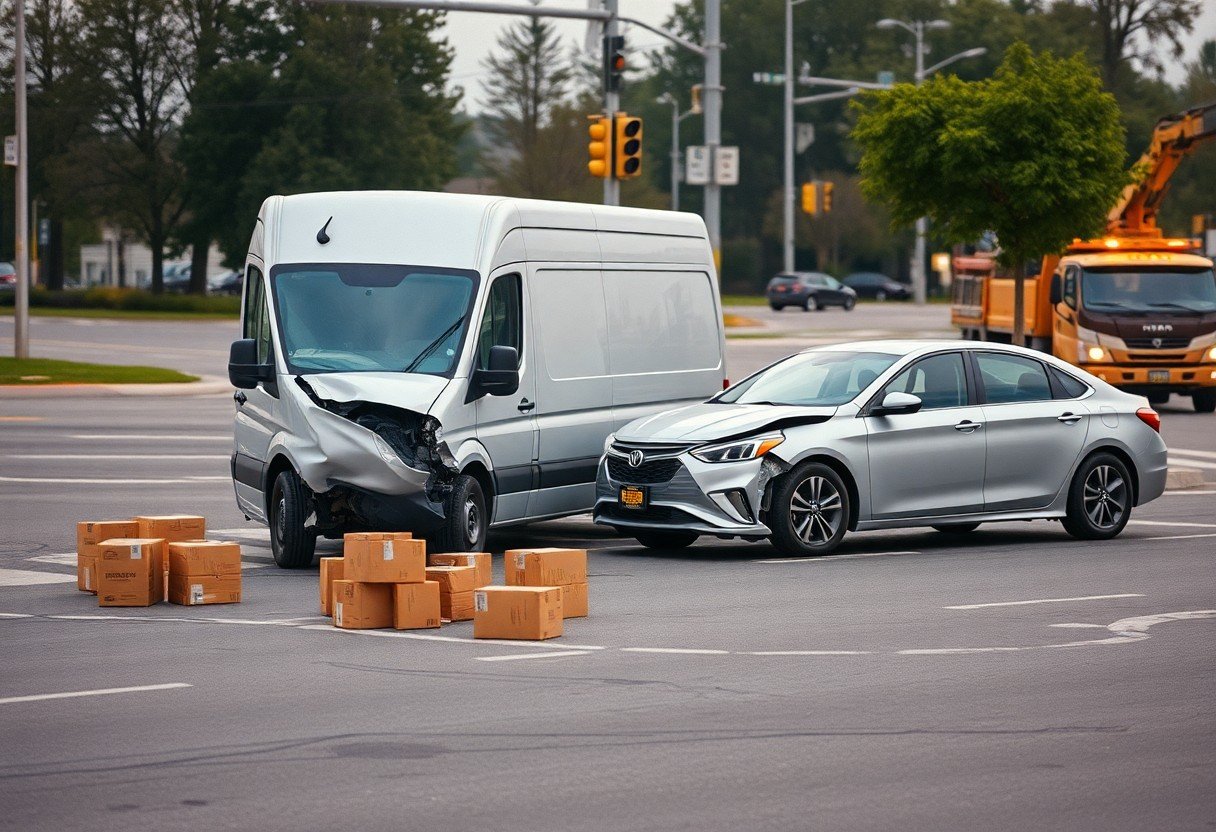
You’ll see patterns in urban delivery crashes tied to scheduling pressure, route congestion and cargo handling: tight windows increase trips per hour, raising exposure; poorly secured loads shift during braking, changing vehicle dynamics; and common platforms like Ford Transit or Mercedes Sprinter are used in dense city routes where left-turn and curbside collisions spike. Data from fleet claims show higher incident rates during peak delivery hours and on routes with frequent stops, so your focus should be on operational controls and vehicle setup when assessing liability.
Common Causes of Accidents
You encounter recurring causes such as driver distraction (cellphone use), fatigue from split shifts, inadequate training for curbside maneuvers, and maintenance lapses like worn brakes or tires. Backing incidents and intersection left-turn collisions are especially prevalent in congested neighborhoods. For example, courier fleets report a disproportionate share of low-speed property claims from unloading zones, while higher-speed highway collisions often involve speed and lane-change errors compounded by heavy payloads.
Impact of Delivery Van Size and Weight
You must factor vehicle class and payload: most delivery vans fall in Class 2-3 (GVWR roughly 6,001-14,000 lb), and that mass changes handling, braking and crash energy. Heavier vans increase stopping distances-commonly 20-50% longer than a typical sedan depending on load and speed-and raise injury severity in collisions, so your liability assessment should account for GVWR, actual payload at time of crash, and how those influenced the sequence of events.
You’ll also assess load distribution and center-of-gravity effects: an uneven 1,500-3,000 lb payload can shift balance during evasive steering, increasing rollover and jackknife risk. Because kinetic energy scales with mass, a loaded van at 50 mph can carry substantially more impact energy than a smaller passenger car at the same speed, which often means greater vehicle damage and higher medical claims-factors insurers and courts weigh when assigning fault and damages.
Determining Liability in Delivery Van Accidents
You must weigh control, scope of employment, vehicle maintenance, and statutory rules. Courts apply respondeat superior to hold employers vicariously liable when drivers operate within job duties, while negligent hiring, supervision, or maintenance can create direct employer fault. If a driver on a scheduled route ran a red light while delivering 12 packages, liability often rests with both the carrier and the individual.
Driver Negligence
You should focus on concrete driver breaches: speeding, running signals, distracted phone use, improper cargo securing, or violating FMCSA hours-of-service rules (11-hour driving limit, 14-hour duty day, 30-minute break after 8 hours). Telematics, witness statements, and skid marks often prove negligence; driving 15+ mph over the limit or texting at the wheel are common decisive facts.
Employer Responsibility
You will evaluate negligent hiring, inadequate training, poor supervision, and maintenance failures; employers can be liable if they knew or should have known about risks. Evidence like missing background checks, ignored driving records, or a fleet history showing 6 prior preventable crashes strengthens your claim against the carrier rather than only the driver.
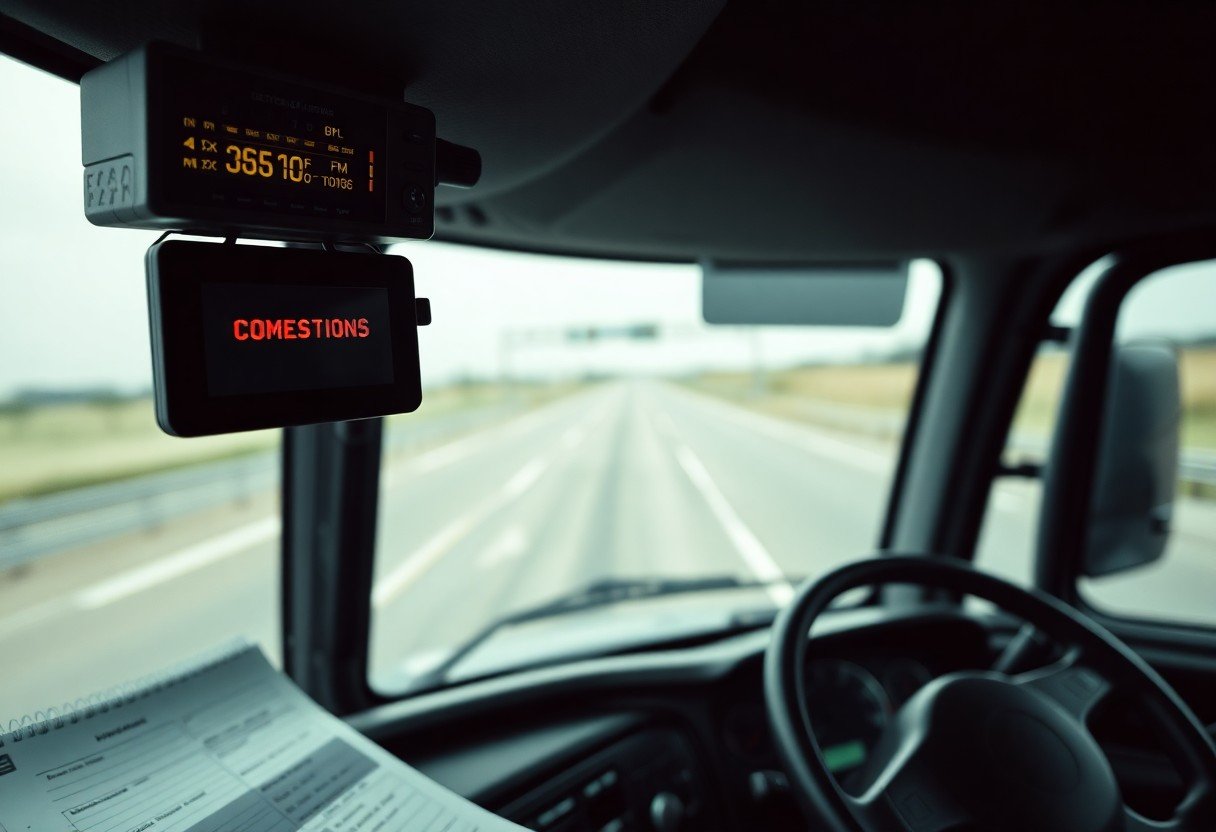
You should subpoena ELD and telematics data, maintenance logs, training and hiring records, and dispatch notes to demonstrate employer fault; ELDs have been mandatory for most commercial carriers since December 2017 and often reveal speed and hours violations. Examining inspection intervals, repair invoices, and enforcement of written safety policies can convert an individual negligence case into a broader company liability action.
Third-Party Liability
When a delivery van crash involves outside actors, you must look beyond the driver and carrier: contractors who serviced brakes, manufacturers of defective components, loading subcontractors, and municipalities that failed to maintain signage can all share fault. Product defects such as faulty tie-rods or airbags often lead to manufacturer recalls affecting thousands of vans, while service-contract breaches (e.g., missed oil and brake checks under a 12-month agreement) create clear negligence avenues for your claim.
Vehicle Maintenance Issues
You should inspect maintenance histories: worn tires below 2/32 inch tread, neglected brake service, or skipped 5,000-10,000 mile intervals commonly cause loss of control. Fleet logs, invoices, and telematics often show missed services; when a maintenance contractor or fleet manager ignored electronic alerts you can tie that omission to the crash. Courts frequently treat repeated failure to service as negligence, especially if post-accident inspections reveal obvious wear or mechanical failure.
Road Conditions and Infrastructure
You should assess potholes, faded markings, malfunctioning signals, obstructed signage, and uneven shoulders as potential contributors. Municipalities or private contractors responsible for paving or repairs can be liable if substandard materials or poor compaction created the hazard. Evidence of prior complaints, maintenance logs, or a recent resurfacing contract with a short warranty (e.g., 1-3 years) strengthens claims that the defect was foreseeable and preventable.
Document conditions immediately: geotagged photos, dashcam video, time-stamped police reports, and witness statements increase your leverage when alleging liability against a road owner. Many jurisdictions require filing a notice of claim within 30-180 days against government entities; missing that window often bars recovery. You should also obtain municipal work orders and contractor invoices to show notice, prior repairs, or ignored requests that establish duty and breach.
Legal Framework Surrounding Delivery Van Accidents
You must navigate a mix of common-law negligence, statutory duties and federal regulations when assessing liability for delivery-van collisions. Courts apply respondeat superior to hold employers liable if you direct routes, schedules or hiring, while independent-contractor status can shift responsibility to the driver. Federal FMCSA rules apply for commercial vehicles over 10,001 pounds or interstate carriers, affecting hours-of-service, driver qualification and maintenance duties. Typical tort claims allege negligent driving, negligent hiring/supervision and vehicle maintenance failures, and proof often hinges on control and foreseeability.
Insurance Requirements
Commercial auto liability limits vary widely, but you commonly see policies from $300,000 to $1,000,000 per occurrence; major platforms like Amazon require $1,000,000 for delivery partners. Beyond liability, you need cargo coverage, uninsured/underinsured motorist protection and workers’ compensation for injured drivers. Pay attention to primary versus excess policy language, named-insured lists and subcontractor endorsements, since gaps or low limits can leave you personally or corporately exposed after a serious claim.
State-Specific Laws
State law differences decisively shape outcomes: some jurisdictions still apply contributory negligence (Alabama, Maryland, North Carolina, Virginia), which bars recovery if your driver is even slightly at fault, while most use comparative negligence with 50%/51% bars. Statutes of limitation typically range 2-4 years-California 2 years, New York 3 years, Florida 4 years-and employment-classification rules like California’s AB5 can convert contractors into employees, expanding vicarious liability exposure.
Practically, operating in a contributory-negligence state means a 1% fault by your driver can extinguish claims, whereas modified comparative states reduce recovery by the claimant’s percentage of fault. Courts focus on control factors-training, route mandates, uniforms and performance metrics-to decide vicarious liability; where companies set strict delivery protocols, judges have held employers responsible. Also account for local ordinances (for example, NYC delivery-hour rules) and state carrier-registration requirements that can add compliance obligations you must satisfy.
How to File a Claim After an Accident
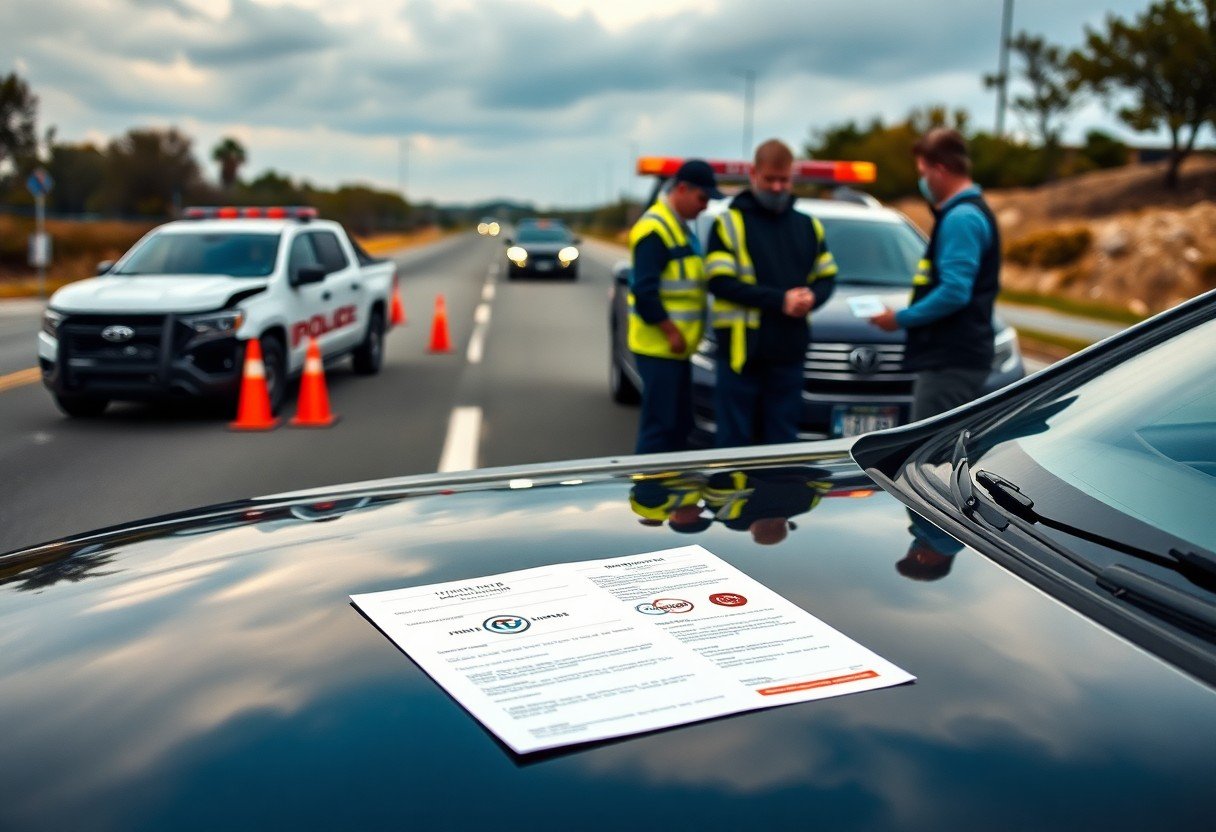
After the crash, you should report the incident to both the delivery company’s insurer and your own within 24-72 hours and file a police report; save the claim number and all correspondence. For details on employer and driver responsibility see Who’s Liable When a Delivery Driver Causes an Accident? Statutes of limitations vary-commonly 2-3 years (California 2, New York 3)-so act promptly.
Gathering Evidence
Photograph vehicles, skid marks, road signs, and injuries from multiple angles and secure dashcam/video within 48 hours; get the driver’s name, badge or unit number, license plate, insurer, and company contact. You should collect witness names and statements, the police report number, delivery manifests, GPS/telemetry logs, and copies of initial medical records, then upload backups to cloud storage to preserve timelines and chain of custody.
Working with Insurance Companies
Open a claim and note the claim number, then submit police reports, photos, repair estimates, and medical bills; you should avoid giving a recorded statement without legal advice because adjusters can use it to challenge liability. Track every call and offer, decline early lowball settlements, and provide wage-loss receipts and unpaid medical liens to support your demand.
Adjusters evaluate fault, damage, and causation and may request extensive medical history or use surveillance; you should expect commercial carriers to investigate employment status since vicarious liability or an independent-contractor label (common with gig delivery) affects who pays. If injuries are significant or liability is disputed, engage an attorney-contested claims often take 3-12 months to settle, while litigation can extend resolution to 12-24 months.
Preventive Measures for Delivery Van Safety
Driver Training Programs
You should implement a structured program-typically 30-40 hours of onboarding with 8-10 hours of behind-the-wheel practice and quarterly 2-hour refreshers-combining classroom, simulator, and on-road coaching. Use telematics to flag hard braking or speeding and deliver targeted coaching within 48 hours. For example, fleets that pair simulator sessions with live telematics saw measurable drops in risky events, and you can require remedial training after two telematics alerts in a 30-day window.
Vehicle Maintenance Protocols
You must enforce daily pre-trip inspections and a documented maintenance schedule: oil and filter every 5,000-7,500 miles, comprehensive checks monthly or every 7,500 miles, and tire rotation every 6,000-8,000 miles. Keep digital service logs and integrate OBD-II/telematics fault alerts so you act on engine codes within 24-72 hours. Follow FMCSA/DVIR-style reporting for any defects found to protect your liability and compliance posture.
Focus inspections on brakes, tires, lights, steering, suspension, fluids, belts, and battery: replace tires before tread hits 4/32″ even though the legal minimum is 2/32″, change brake pads when thickness approaches 3 mm, and plan battery replacement every 3-5 years. Use torque-checked wheel nuts, document brake rotor wear and ABS fault codes, and schedule parts life-cycle replacements (belts at ~60,000-90,000 miles). CVSA data shows brake-related defects are a leading OOS cause, so proactive replacements reduce roadside failures and liability exposure.
Summing up
Hence you should assess who controlled the van, whether the driver acted within the scope of employment, vehicle maintenance and loading records, and any third-party negligence; these factors determine potential liability among drivers, employers, contractors, or manufacturers and guide your evidence collection and legal steps to secure compensation and protect your rights.
FAQ
Q: Who can be held liable after a delivery van accident?
A: Liability can attach to multiple parties depending on the facts: the van driver for negligent operation; the driver’s employer or the delivery company under vicarious liability if the driver was working within the scope of employment; the vehicle owner or leasing company if vehicle defects or improper maintenance contributed; independent contractors or subcontractors who performed services related to the delivery; maintenance, repair, or parts suppliers for negligent work or defective components; and third parties whose actions or negligence caused the crash. Determinations rely on control over the driver and vehicle, contractual relationships, state law, and evidence of negligence or defect.
Q: Can a delivery company be held responsible for a crash caused by an independent contractor driver?
A: Yes-depending on the level of control and the relationship. Courts evaluate factors such as whether the company sets routes, enforces schedules, provides uniforms or branded vehicles, supplies training or equipment, and how drivers are paid. If the company controls the manner and means of the work or retains sufficient control over safety practices, vicarious liability or direct liability (negligent hiring/training/supervision) may apply. Contract terms labeling drivers as independent contractors and indemnification clauses affect commercial risk allocation but do not automatically eliminate legal liability under statutory or common-law tests.
Q: What is negligent hiring, training, or retention and how does it impact responsibility after a delivery van accident?
A: Negligent hiring, training, or retention arises when an employer or contracting company fails to screen, train, supervise, or remove employees or contractors whose incompetence or dangerous propensities make harm foreseeable. Examples include hiring drivers with poor driving records without adequate checks, failing to train staff on safe driving or cargo securement, or retaining drivers with repeated violations. If such omissions can be shown to have contributed to the crash, the company can be directly liable in addition to, or instead of, vicarious liability.
Q: How does comparative negligence affect recovery when both the delivery van driver and another motorist share fault?
A: Comparative negligence reduces a plaintiff’s recoverable damages by the percentage of their own fault; states follow different schemes. Under pure comparative negligence a plaintiff can recover despite being more at fault, but their award is reduced by their fault percentage. Under modified comparative negligence a plaintiff is barred from recovery if their fault exceeds a threshold (usually 50% or 51%). Determinations require fault allocation among drivers and other actors; apportioned liability can involve multiple parties and their insurers, and settlement negotiations or jury findings will reflect those percentages.
Q: What immediate and follow-up steps protect legal positions and help resolve liability and insurance claims after a delivery van accident?
A: Preserve evidence: photograph vehicles, scene, skid marks, traffic signs, and cargo; collect witness names and contact information; obtain the police report and ambulance records. Notify insurers and the employer promptly and preserve the vehicle and any relevant maintenance records, logs, dispatch or GPS data, driver qualification files, and communications. Seek medical evaluation and keep treatment records. If a company vehicle or employee is involved, check whether worker’s compensation applies and whether insurers may pursue subrogation. Document all communications, and consult an attorney if liability is disputed, injuries are significant, or multiple potential responsible parties exist.