Claims involving drunk driving demand specific evidence to bolster your position: police reports, BAC test results, witness statements, surveillance or dashcam footage, cell phone and GPS data, skid marks and vehicle damage photos, and comprehensive medical records. You should document injuries, preserve physical and digital evidence, and consult an experienced attorney to ensure your rights are protected and the strongest proof supports your pursuit of fair compensation.
Key Takeaways:
- Police reports and test results: breathalyzer and blood-test results, field sobriety notes, and officer observations strengthen liability and BAC evidence.
- Medical records and hospital toxicology: documented injuries, treatment timelines, and lab-confirmed BAC link impairment to the crash.
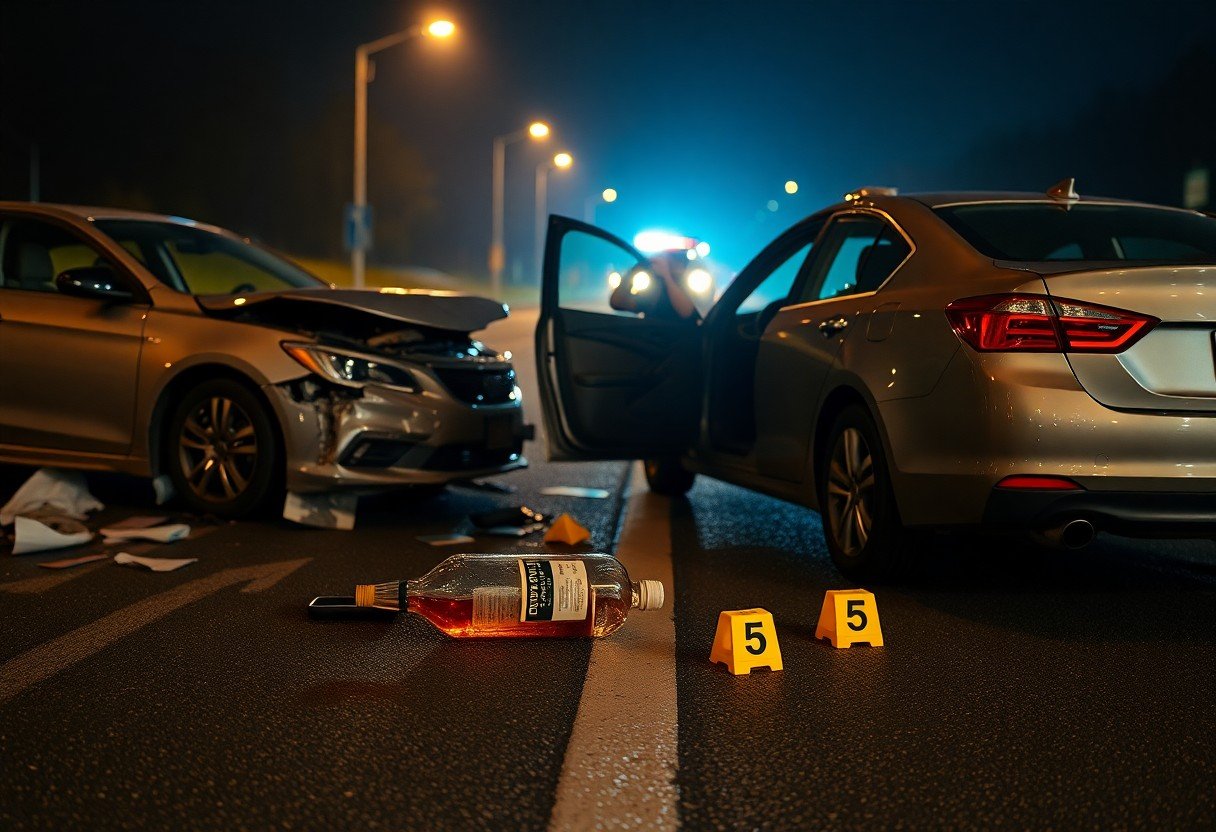
- Photos and video: dashcam, traffic or surveillance footage, and scene photos showing vehicle damage, skid marks, and positioning support causation.
- Eyewitness accounts and admissions: statements from passengers, bystanders, and any recorded admissions of drinking or impairment bolster credibility.
- Forensic and expert analysis: accident reconstruction, EDR (black box) data, and toxicology/retrograde extrapolation provide technical confirmation of fault and impairment.
Understanding Drunk Driving Accidents
Key Statistics
When you review recent data, alcohol-impaired crashes account for roughly one-third of U.S. traffic fatalities and the legal adult BAC limit is 0.08% in most states; drivers aged 21-34 are overrepresented, and alcohol-related deaths number in the thousands annually, a frequency that shapes how you prepare and litigate these claims.
Legal Implications
If you pursue a claim, expect both criminal and civil consequences: intoxicated drivers may face misdemeanor to felony charges, license suspension, and fines, while civil suits can seek compensatory and punitive damages when gross negligence is shown; prosecutors often seek enhanced penalties for prior DUIs, and BAC results, admissions, and police reports become core evidence you’ll use to establish fault.
Evidence timing and type change outcomes: a blood test within two hours gives you stronger proof of impairment because metabolic estimates are less disputed, while delays let defense experts argue uncertainty; you should gather bar receipts, surveillance video, witness statements, phone location data, and officer observations to connect drinking to driving and to support claims for punitive damages in egregious cases.
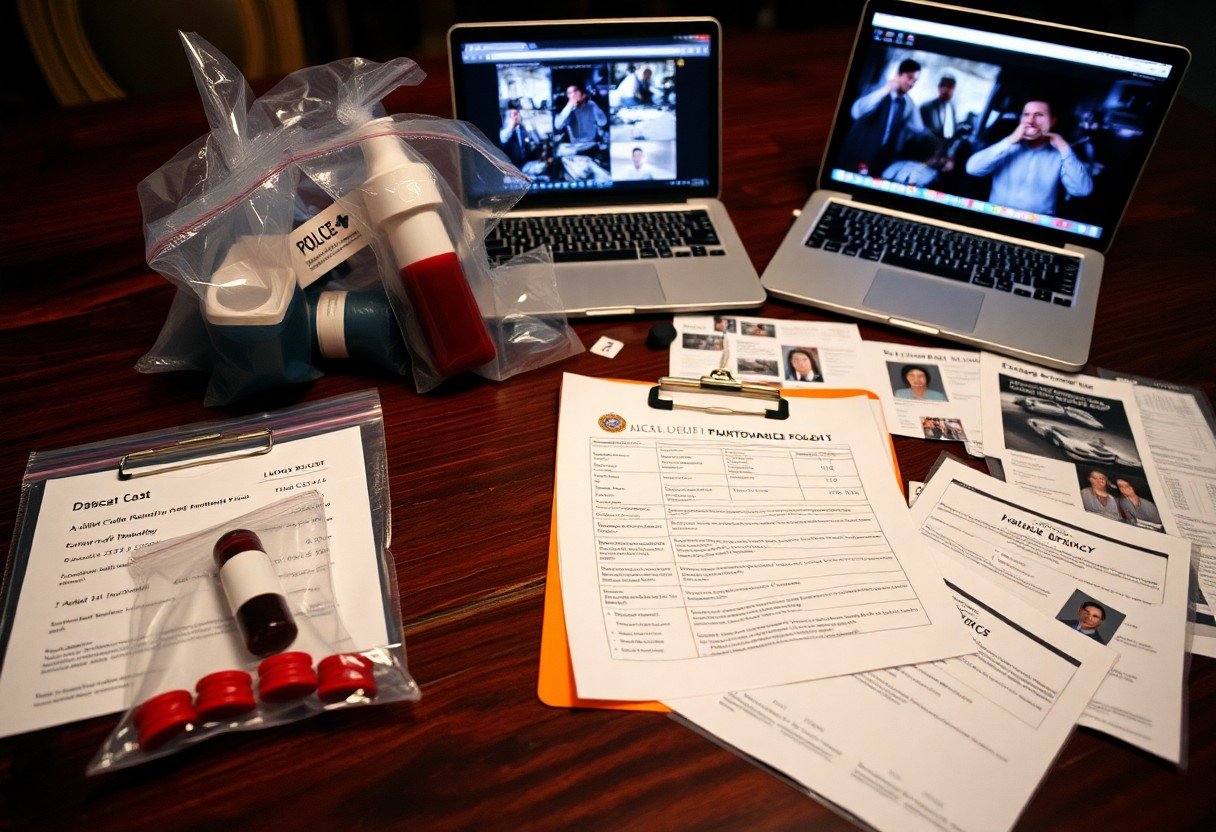
Types of Evidence in Drunk Driving Cases
| Breathalyzer readings | Show BAC levels; readings ≥0.08% often trigger charges, but calibration logs and time since driving matter. |
| Blood tests | Most accurate BAC measure when drawn within 2 hours; chain-of-custody and lab reports determine admissibility. |
| Field Sobriety Tests | Standardized tests like HGN (8 clues), walk-and-turn, one-leg stand produce observable clues officers record. |
| Vehicle and scene evidence | Skid marks, point-of-impact, airbag data and photos quantify speed/direction; dashcam/GPS logs can show maneuvers. |
| Video and witness accounts | Surveillance, dashcam, and bystander video provide timestamps; passenger or pedestrian statements corroborate behavior. |
- Breath and blood tests provide numerical BAC evidence that juries expect to see.
- Field tests generate officer observations-HGN has up to 3 indicators per eye, walk-and-turn up to 8 clues.
- Physical scene data like 50-200 ft skid marks or airbag control module downloads help reconstruct speed and impact.
- Officer reports and arrest videos document statements you made at the scene and your behavior under stress.
- Any video or witness evidence with timestamps often ties disparate pieces of proof together.
Physical Evidence
You should collect breath and blood results, vehicle damage photos, skid-mark measurements, and airbag control module data; for example, a blood draw within 2 hours yields a more reliable BAC and vehicle black box downloads can show speed and braking patterns leading up to impact.
Witness Testimonies
You will rely on passenger, pedestrian, or other driver statements describing slurred speech, glassy eyes, or admission of drinking-one case involved a passenger saying the driver had “two beers” five minutes before departure, which helped align timeline and BAC evidence.
You must preserve witness contact info and written statements within 24-72 hours because memory fades and consistency matters under cross-examination; corroborating a witness’s claim with dashcam footage, timestamps, or officer notes strengthens credibility, while prior inconsistent statements can be impeached, so you should secure contemporaneous recordings when possible.
Collecting and Preserving Evidence
Photograph the scene immediately – skid marks, vehicle positions, traffic signals, dents and debris – and record short video from multiple angles. Secure witness names and phone numbers, and insist on a copy of the police report and any on-scene BAC readings. Get medical records and hospital blood toxicology because BAC declines about 0.015 g/dL per hour. For a full checklist, see Essential Evidence for Drunk Driving Accident Claims.
Importance of Timely Action
You must act quickly: dashcam and CCTV often loop footage every 24-72 hours, and cell carriers retain detailed location logs for varying periods. Preserve EDR data within days before servicing or resets erase crash recordings. Have blood drawn within 2-3 hours-laboratory toxicology is strongest then; delays beyond 6 hours complicate BAC reconstruction. Issue preservation letters and collect witness contact info immediately to lock down perishable proof.
Professional Assistance
Hire an attorney early: your lawyer will send preservation letters within 24-48 hours, subpoena police reports and bodycam footage, and arrange EDR downloads typically within 7-14 days. They coordinate accident reconstructionists who use 3D modeling and vehicle dynamics to estimate speeds to within ±5-10 mph, and toxicologists who interpret lab results for court.
Your attorney will assemble experts: a toxicologist to extrapolate BAC using the Widmark rate (~0.015 g/dL/hr), an engineer to download EDR and produce pre-impact speed and brake-application timelines, and a reconstructionist to measure skid distances (in feet) and calculate deceleration. Expect expert fees commonly between $2,500 and $10,000 depending on testing; many firms advance these costs and seek recovery from settlements or judgments on your behalf.
Role of Law Enforcement
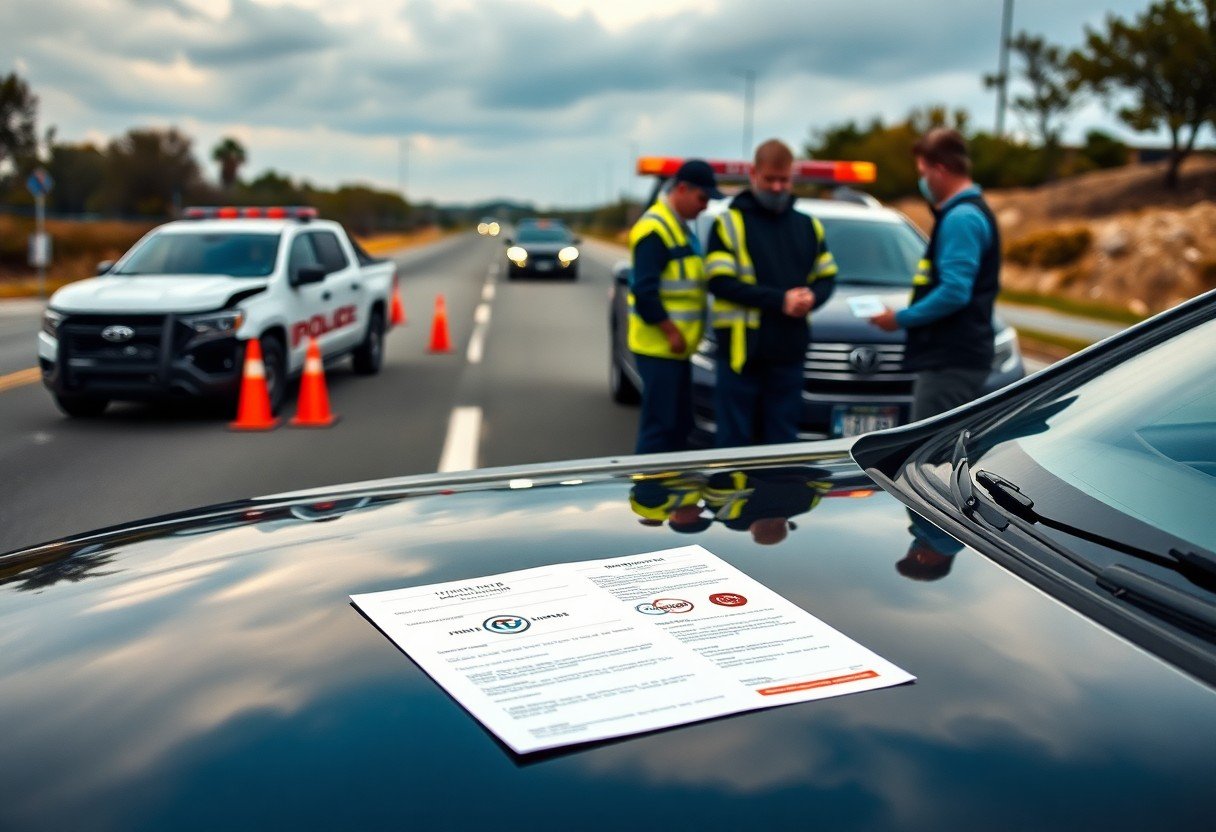
Police documentation and actions shape the evidentiary timeline you will use: officer narratives, 911 logs, dashcam and bodycam footage, timestamps of arrival, and preserved vehicle data establish when impairment likely began and ended. You should examine officer training and prior complaint history, seizure paperwork for vehicle black boxes, and any on-scene photos or measurements that corroborate skid marks, impact points, and witness positions to link impairment to causation and damages.
Police Reports
Officer reports often contain objective details you can leverage: observed signs (slurred speech, bloodshot eyes, odor of alcohol), standardized field sobriety test outcomes, citation language, diagrams, and witness statements. You can subpoena the report, correcting discrepancies between the narrative and bodycam footage; for example, if the report lists arrival at 10:05 PM but video shows 10:15, that ten-minute gap may affect retrograde BAC estimates or witness timelines.
Breathalyzer and Blood Test Results
Breath and blood readings provide numerical anchors-0.08% is the federal adult driving limit, 0.04% for commercial, 0.02% for under-21 in many jurisdictions-so you focus on calibration logs, operator certification, and chain-of-custody to challenge reliability. A breath reading of 0.12% gains weight unless the device lacked recent calibration (often required every 6-12 months) or the operator missed protocol, both grounds to question admissibility.
Deeper scrutiny includes assay method and timing: blood analyzed by gas chromatography (GC) or GC-MS is the forensic gold standard, and blood draws must be properly labeled, refrigerated, and accompanied by split samples to allow independent testing. You can use metabolism estimates (average elimination ~0.015% BAC/hour) for retrograde extrapolation-if a blood draw two hours after the crash shows 0.10%, the estimated driving BAC could be ~0.13%-and challenge results on grounds like mouth alcohol, recent vomiting, mouthwash, or improper storage that produce false positives.
Common Defenses Used by Drunk Drivers
Challenging the Evidence
Your attorney will target breathalyzer accuracy, officer training, and chain-of-custody gaps to undermine BAC and field-test results. Demand calibration and maintenance logs, training records, and body- or dash-cam footage; missing or inconsistent documentation often leads courts to exclude test results. Field sobriety tests like HGN, walk-and-turn, and one-leg-stand are highly subjective-medical issues, poor lighting, or uneven pavement can explain poor performance without alcohol.
Alternative Explanations
You can introduce medical and environmental reasons for impairment signs or elevated readings: diabetic ketoacidosis (acetone), recent vomiting or mouthwash, certain prescription antihistamines, and fatigue all mimic intoxication. A recorded BAC above the common legal limit of 0.08% may not reflect your BAC at the collision if absorption or contamination occurred.
Support this defense with medical records (e.g., A1C levels), pharmacy receipts, witness timelines, and expert toxicology retrograde extrapolation to model your BAC at impact; experts can demonstrate testing margin-of-error-often around ±0.01-0.02%-and challenge timing assumptions the prosecution relies on.
The Impact of Evidence on Compensation
Strong, time-stamped evidence directly affects the dollar value you can recover: a verified 0.08%+ BAC, medical bills, and documented lost wages convert liability into concrete damages. When emergency-room invoices exceed $25,000 and imaging shows fractures, insurers calculate compensatory and potential punitive elements differently. You can expect higher offers when police reports, toxicology, and clear crash-scene photos align, because those items remove ambiguity around fault and the extent of your losses.
How Evidence Influences Settlements
Insurers weigh proof of intoxication and fault when deciding offers, so a dashcam showing erratic driving plus a 0.12% BAC result and hospital records often shifts negotiations in your favor. You should use timestamped blood tests, eyewitness statements, and repair estimates to convert vague claims into numeric demands; in practice, solid evidence can move an initial low offer into a six-figure settlement, especially where catastrophic injuries or prior DUI priors exist.
Importance in Court Proceedings
In court, juries respond to tangible proof: certified lab reports, chain-of-custody logs, and expert testimony on impairment are persuasive. You’ll strengthen your case by presenting accident reconstructions, medical summaries, and clear timelines that tie intoxication to causation, increasing the likelihood of a verdict that covers past and future damages as well as non-economic losses.
Beyond persuasion, procedural evidence issues determine admissibility: if blood test chain-of-custody is intact and the lab follows standards, toxicology becomes compelling; conversely, excluded chemical tests force reliance on officer observations and FSTs, which juries view as less precise. You should prioritize preserved electronic evidence, independent expert analysis, and demonstrative exhibits to quantify future wage loss, rehabilitation costs, and long-term care needs for higher awards.
Final Words
Presently you should gather and preserve breathalyzer and toxicology reports, police reports, eyewitness statements, surveillance video, medical records, and vehicle damage photos to strengthen your drunk driving accident claim. Work with an attorney to secure subpoenas, expert accident reconstruction, and prompt evidence collection, as delays can weaken proof. Your organized documentation and legal strategy increase the likelihood of fair compensation and accountability.
FAQ
Q: What physical and forensic evidence most strengthens a drunk driving accident claim?
A: Blood alcohol concentration (BAC) test results and toxicology reports, properly documented and with an unbroken chain of custody; breathalyzer machine printouts plus maintenance and calibration records; photographs of the crash scene, vehicle damage, skid marks and road conditions; vehicle Event Data Recorder (EDR) data showing speed, braking and throttle inputs; recovered alcohol containers, receipts or transaction records showing time of purchase; injured party’s clothing and personal property preserved for testing; and CCTV, dashcam or helmet-cam video that captures pre-crash driving behavior or the collision itself.
Q: How do police, EMS and medical records support a drunk driving claim?
A: The police report documents officer observations (odor of alcohol, slurred speech, coordination), witness statements they collected, field sobriety test results and preliminary breath test readings. EMS and hospital records establish the injuries, timing of treatment and any blood draws with lab timestamps. Toxicology lab reports and clinicians’ notes connect impairment to the time of the crash and show how injuries were treated, which together corroborate causation and severity for damages.
Q: Why are witness statements, videos and electronic data important, and how should they be handled?
A: Eyewitness accounts, passenger statements and bystander videos can describe erratic driving, admissions of drinking, or the sequence of events. Traffic cameras, surveillance footage, dashcams and cellphone location/GPS records provide objective timelines. Preserve these promptly by obtaining copies, issuing preservation requests to businesses or agencies, and documenting sources and timestamps; delay increases the risk footage is overwritten or deleted, which weakens proof.
Q: What role do expert witnesses and accident reconstruction play in strengthening a claim?
A: Accident reconstruction specialists analyze skid marks, vehicle damage, EDR data and scene geometry to estimate speed, point of impact and driver actions – linking physical evidence to impairment. Toxicologists and forensic chemists can interpret BAC results and explain delays between crash and blood draw. Medical experts tie injuries to the collision and to causation. Calibration and instrumentation experts can challenge or validate breathalyzer and testing procedures, bolstering credibility of the evidence presented.
Q: How should evidence be preserved and what procedural steps protect it for a claim?
A: Immediately request and obtain the police report, body-cam/dash-cam footage and any available surveillance; ask hospitals for medical records and lab results and provide written preservation requests; photograph and document the scene and vehicle before repairs; retain damaged clothing and preserve EDR data by contacting the vehicle manufacturer or an expert; collect receipts, texts or social media posts that show timing; consult an attorney early to issue subpoenas or preservation letters and to ensure compliance with statute-of-limitations and spoliation rules so evidence remains admissible.