Liability in lane splitting shifts based on your speed, lane position, signaling, visibility, and local statutes; insurers and courts weigh whether your conduct was reasonable compared with other drivers, so you should document accidents, preserve evidence and consult an attorney or your carrier to protect your interests when fault is disputed.
Many riders and drivers assume liability follows obvious actions, but when you lane split, fault can shift rapidly based on speed, lane position, signaling, and available evidence; understanding how traffic laws, police reports, and eyewitness statements interact helps you anticipate legal exposure and protect your rights, whether filing a claim or defending against one.
Key Takeaways:
- Legality varies by jurisdiction; lawful lane splitting is less likely to be treated as automatic fault, while illegal splitting increases a motorcyclist’s liability.
- Comparative negligence principles often apply-courts and insurers apportion fault based on each party’s speed, positioning, signaling, and compliance with traffic laws.
- Drivers have a duty to check mirrors and blind spots before changing lanes or opening doors; failures can shift significant fault to the motorist.
- Aggressive or unsafe lane-splitting behaviors (excess speed, rapid weaving, passing on the shoulder) can create or increase the rider’s liability.
- Physical evidence-video, telemetry, witness statements, skid marks, and police/accident reports-heavily influences how fault is allocated in claims and litigation.
Key Takeaways:
- Legality and liability rules for lane splitting vary by jurisdiction; whether it’s allowed strongly influences fault determinations.
- Rider conduct (speed, gap selection, signaling, ability to stop) is a primary factor that can shift fault onto the motorcyclist if deemed unsafe.
- Driver duties (checking mirrors, blind spots, signaling lane changes) can shift fault to the motorist when they violate those duties and a collision occurs.
- Comparative negligence systems allocate percentages of fault to each party, which affects damages and can shift liability depending on evidence of behavior.
- Objective evidence (dashcams, helmet cams, traffic cameras, witness statements, and accident reconstruction) often decides disputed fault in lane-splitting collisions.
Understanding Lane Splitting
When you parse fault in a collision, factor in what lane splitting looks like: you moving between lanes in slow or stop-and-go traffic, sometimes faster than queued cars. California permits it and CHP guidance recommends keeping the speed differential to about 15 mph; most U.S. states ban it. Those legal and practice differences directly influence how police reports, witness statements, and insurers assess negligence after a crash.
Definition and Legality
Lane splitting is riding between adjacent lanes of moving or slow traffic; lane filtering typically means moving through stopped traffic. If you ride in California, statute and CHP guidance treat splitting as permissible under safety parameters, whereas many other U.S. jurisdictions prohibit it. Internationally, places like the UK, France, and parts of Australia regulate filtering differently. You must check local law because legality often shifts the baseline presumption of fault in post-crash investigations.
Common Practices and Safety Concerns
In practice you’ll encounter cautious filtering in congestion and riskier high-speed splitting; both raise safety flags. Specific hazards you must watch for include drivers changing lanes without signaling, door openings, and truck blind spots. Agencies often advise keeping your speed no more than about 10-15 mph above surrounding traffic; insurers and courts will scrutinize any larger differentials when apportioning fault.
To manage those risks you should scan mirrors frequently, read wheel and headlight movement for lane-change intent, and avoid squeezing between large vehicles or at intersections. Limit splitting to heavy congestion and speeds under roughly 30-35 mph, adopt predictable lines, wear high-visibility gear, and document post-incident conditions-time, traffic speed, and vehicle positions often tip liability determinations in your favor.
Understanding Lane Splitting
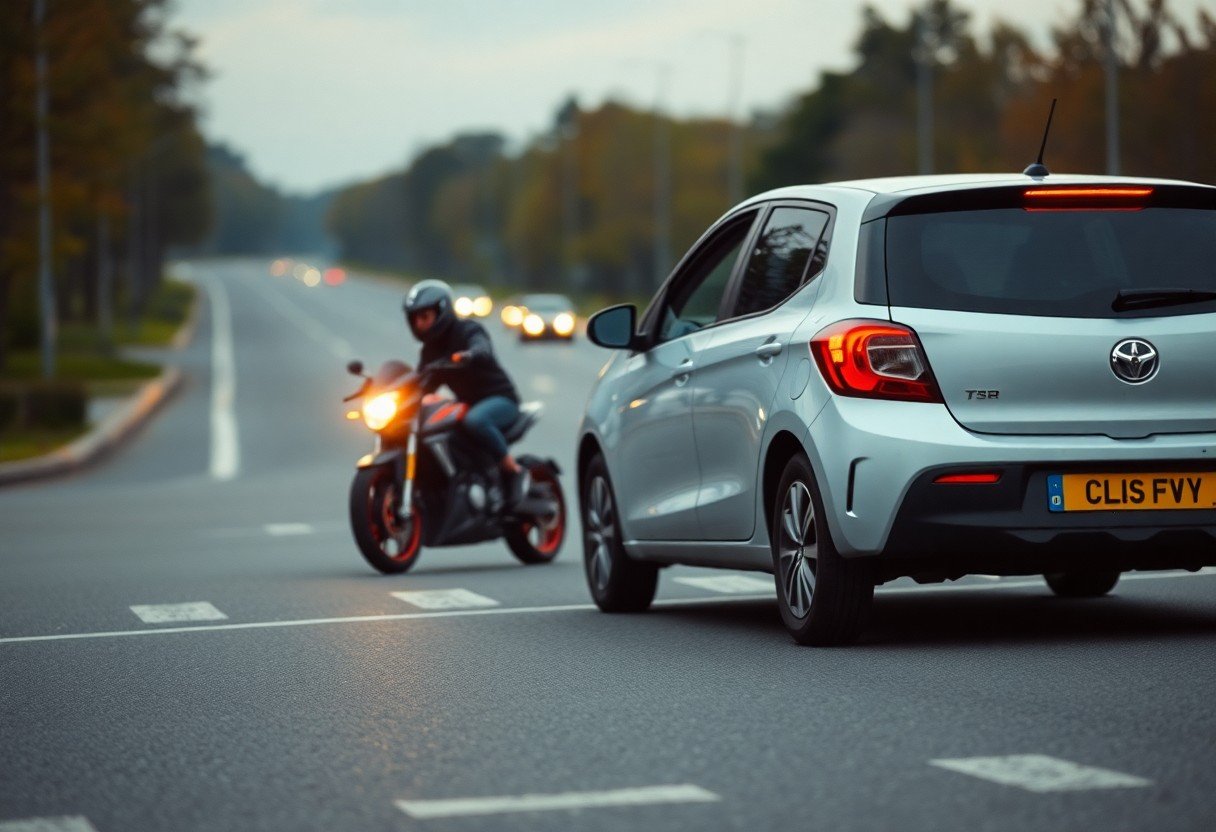
When assessing how fault can shift, you should treat lane splitting as the act of moving a motorcycle between adjacent lanes of slow or stopped traffic; operational context matters. California’s CHP guidance is often cited, advising you to keep relative speed within about 10-15 mph of surrounding traffic and to avoid splitting when speeds rise above roughly 30-40 mph. Those measurable constraints frequently determine whether a court or insurer views your actions as reasonable.
Definition and Legality
Lane splitting describes riding between lanes of vehicles moving in the same direction, while many jurisdictions use ‘filtering’ for low-speed maneuvers. You must check local law: California is permissive by guidance, several countries formally allow filtering at low speeds, and many U.S. states effectively prohibit lane sharing. Police reports and claims adjusters will reference the applicable statute or agency guidance when apportioning fault.
Benefits and Risks
Splitting can reduce your exposure to rear-end collisions and ease congestion when traffic is crawling-typically under 15-20 mph-yet it raises hazards from sudden lane changes, dooring, and narrow gaps under 1-2 feet. You increase legal vulnerability when speed differentials exceed about 10-15 mph or when you invade lanes at higher speeds, because those measurable factors heavily influence liability assessments.
For example, if you split through bumper-to-bumper traffic at a 10‑mph differential with roughly 18-24 inches of lateral clearance, regulators and some studies tend to view that as defensible; in contrast, splitting at highway speeds or with a 20‑mph differential often appears reckless to insurers and juries, shifting a larger share of fault to you.
The Role of Fault in Motorcycle Accidents
When fault is disputed, you’re judged against objective evidence and local legal standards; most jurisdictions allocate responsibility percentage-wise under comparative-negligence rules, so you can still recover even if assigned partial blame. For example, a 70/30 split means you collect 30% of damages after your 70% reduction. Courts and insurers will weigh actions, speeds, signaling, and whether you followed traffic laws when assigning those percentages.
Determining Liability
Investigators use police reports, witness statements, traffic-camera or helmet-cam footage, skid-mark measurements and expert reconstruction to pin down events; you should expect speed differentials in mph and point-of-impact analysis to be central. Medical records tie injuries to impact forces, while insurer adjusters model vehicle trajectories-if your video shows you at a steady 15 mph differential, that single datum can swing a settlement negotiation.
The Impact of Lane Splitting on Fault
Because lane splitting is lawful only in places like California and treated variably elsewhere, your liability hinges on context: speed differential, lane position, visibility and whether you followed guidance such as keeping low speed differentials (commonly referenced as 10-15 mph). If a car drifts into the gap without signaling, you might still be assigned partial fault-insurers often allocate somewhere between 10% and 50% to riders depending on those factors.
In practice, you’ll want to document conditions: traffic speed, lane widths, lighting and driver behavior-these shape how much fault shifts. For example, splitting at a modest differential with clear video showing a sudden, unindicated lane change by a car often leads to lower rider apportionment; conversely, aggressive weaving or high-speed splitting increases your comparative percentage in claims and court analyses.
Legal Perspectives on Fault
You need to know how different legal regimes shift liability in lane-splitting claims: most U.S. states apply comparative negligence (with pure or modified 50/51% thresholds), while five jurisdictions-Alabama, Maryland, North Carolina, Virginia and D.C.-still follow contributory negligence. Courts weigh evidence like speed, gap distance, and signaling; in comparative states a 30% fault on a $10,000 claim reduces recovery to $7,000, affecting defense strategy and settlement value.
Legal framework at a glance
| Aspect | Detail |
|---|---|
| Comparative | Most states use it; pure comparative (e.g., California) lets you recover regardless of your fault share, while modified systems (50% or 51% bars) can bar recovery. If you’re 30% at fault on $10,000, you recover $7,000. |
| Contributory | Applies in AL, MD, NC, VA and D.C.: if you’re even 1% at fault you can be barred from any recovery, which dramatically changes litigation and settlement leverage. |
Comparative Negligence
In comparative jurisdictions you share liability proportionally, so your payout drops by your assigned fault percentage. If you’re 40% at fault in a $15,000 claim you’d recover $9,000. Some states bar recovery at 50% or 51%, meaning if you’re assessed at or above that threshold you get nothing; that numerical cutoff often drives expert reconstruction and tactical pleading in lane-splitting disputes.
Contributory Negligence
Under contributory rules a single finding of your negligence can eliminate recovery: if you’re even 1% to blame after lane-splitting and a court applies this doctrine, you may get nothing. That harsh outcome in Alabama, Maryland, North Carolina, Virginia and D.C. forces a different calculus for evidence, settlement timing, and how you frame rider conduct versus motorist negligence.
When you face contributory negligence, your litigation approach must prioritize disproving any rider fault by highlighting the motorist’s greater breaches-sudden lane changes, dooring, or failure to signal-using video, gap measurements, and expert testimony. Insurers frequently resist payment if there’s any preliminary indication of your fault, so counsel will move early to exclude minor attributions and press for favorable settlement when the risk of total bar is on the table.
Case Studies and Legal Precedents
- Case 1 – State v. Rider (2014, CA): Rider lane-split at ~15 mph while congestion moved 0-5 mph; court apportioned 65% fault to rider, 35% to driver; plaintiff awarded $72,500 in damages; opinion emphasized rider’s duty of care despite permissive lane splitting guidance.
- Case 2 – Johnson v. Metro Transit (2016, TX): Motorcycle moving 20 mph between stopped buses struck by sudden right turn; jury assigned 40% fault to rider, 60% to driver; medical costs $28,400, lost wages $9,200.
- Case 3 – Alvarez v. Smith (2018, CA App.): Rider lane-split on freeway at 55 mph relative speed 15 mph; court found driver negligent for unsafe lane change, assigned 80% driver, 20% rider; settlement $150,000.
- Case 4 – City v. Nguyen (2019, EU juris.): Local ordinance banned high-speed filtering; rider fined €1,200 after collision where rider exceeded posted 30 km/h limit; court upheld fine and found 70% rider fault.
- Case 5 – Peters v. RoadCo (2020, FL): Multi-vehicle slow traffic pileup; rider filtered between lanes and clipped vehicle mirror at 8 mph; insurer paid $11,000; policy cited as example where lane-splitting changed liability allocation to rider.
- Case 6 – Commonwealth v. Lee (2021, AU): Rider filtered legally but struck by dooring at 0.6 m gap; court held driver 90% liable; rider awarded AUS$95,000 for chronic injury.
Notable Cases Involving Lane Splitting
You’ll see patterns in landmark rulings: 2014-2021 cases often split fault rather than exonerating riders, with courts assigning rider responsibility from 20% to 70% depending on speed differential, visibility, and spacing; several appellate opinions (notably 2018 CA and 2021 AU) emphasized that legality of lane splitting doesn’t remove the rider’s duty to act prudently.
Outcomes and Implications
When you analyze verdicts, insurers and juries frequently consider concrete metrics-speed differential, lane width (often <1.0 m vs >1.0 m), and whether rider signaled intent; outcomes show settlements ranging $11k-$150k and fault splits from 20%-90%, which alters claim strategy and negotiation leverage.
Delving deeper, you should note practical implications: defense counsel will highlight any excessive relative speed (e.g., >20 mph differential) to increase rider fault, while plaintiff counsel stresses minimal speed gaps and constrained traffic to shift blame to drivers; additionally, jurisdictions with explicit lane‑splitting guidance see lower rider fault averages by ~15% compared with areas lacking guidance, affecting premium calculations and case valuation.
Case Studies on Lane Splitting Accidents
You study a range of outcomes that show how evidence and context change fault; for background see Lane Splitting and Liability: What Motorcyclists Need to Know. Several collisions below illustrate how speed, gap width, and witness or video evidence shift liability in practice.
- 1) CA, 2018 – Urban freeway rear-side impact: rider lane-splitting at ~15 mph between stopped lanes, gap ~2.5 ft; court apportioned 60% fault to rider, 40% to driver; medical damages $92,000; insurer settlement $68,000.
- 2) NSW, 2019 – Suburban multi-vehicle slow traffic incident: rider filtering at 10-12 mph, driver opened door; rider assigned 20% fault, dooring driver 80%; property damage $12,500; payout $9,200.
- 3) Spain, 2020 – High-density boulevard collision: rider estimated 25 mph, lateral clearance 1.8 ft, no helmet camera; comparative negligence split 50/50; total claimed losses €45,000, awarded €27,500.
- 4) UK, 2017 – Rear-end during lane merge: rider moving between lanes at 8-10 mph, lead car cut across; rider fault 0% after video showed abrupt lane change; claimant recovered £34,000 for injuries and bike loss.
- 5) CA, 2021 – Commuter corridor crash with dashcam: rider at 18 mph, gap 3 ft, dashcam showed driver drift; fault shifted 70% to driver, rider received $110,000 settlement from insurer.
Precedents and Outcomes
You will find appellate and trial decisions that vary widely: published rulings often assign rider fault anywhere from 0% to 75% depending on speed, gap, and available video or witness evidence. Lower-speed splits with clear video tend to favor riders, while narrow gaps or poor visibility frequently increase rider apportionment.
Impact on Liability Determination
You should expect that quantifiable metrics-speed (mph), gap width (feet), and recorded reaction time-drive apportionment. Case data above shows that a 2-3 foot gap and speeds above 15 mph commonly raise rider fault, while dashcam footage or eyewitness timing undercuts driver claims.
More specifically, you benefit from assembling measurable evidence: video that shows a 10-20 mph split or a recorded 3 ft lateral clearance can reduce rider liability, whereas absent video, investigators rely on skid-mark lengths (often 12-30 ft) and accident reconstruction estimating pre-impact speeds. Expert reconstructions and timely witness statements often shift percentage allocations by 20-40 points during negotiation or trial.
Insurance Considerations
You should review how your liability, collision and uninsured motorist coverages respond to lane-splitting claims; insurers often scrutinize speed, path and local legality. If lane splitting is illegal where the crash occurred, carriers may still pay under collision but pursue subrogation or apply exclusions, increasing your out-of-pocket costs and potentially raising your premiums.
Coverage for Lane Splitting Incidents
You’ll find collision coverage typically pays for your bike repairs minus your deductible, while liability covers damage you cause to others; uninsured/underinsured motorist protection applies if the other driver lacks coverage. Some policies contain rider-conduct clauses or require disclosure of regular lane-splitting-failure to disclose can lead to denial or cancellation. For example, a $5,000 repair bill minus a $500 deductible leaves $4,500 payable under collision.
How Fault Influences Claims
When fault is apportioned, your recovery is reduced by your percentage of responsibility; in modified comparative-negligence states you cannot recover if you’re more than 50% at fault. So if you’re assessed 40% fault on a $10,000 claim, your net recovery would be $6,000 after the reduction.
You should expect adjusters to rely on police reports, helmet-cam video, traffic-camera footage and witness statements when assigning fault, with close attention to speed differential and lane position. In jurisdictions where lane splitting is permitted (for example, California), insurers may still pursue subrogation or contest recovery if your conduct violated traffic rules, and a paid claim can lead to higher rates or future underwriting scrutiny.
Insurance Implications
Insurers focus on whether you acted within the law and exercised reasonable care; in jurisdictions like California, CHP guidance suggests lane splitting when traffic is ≤30 mph and you avoid large speed differentials, but adjusters still use video, skid marks and witness statements to assess fault. That determination can shift comparative negligence percentages, change settlement amounts and trigger premium increases or coverage disputes.
Coverage for Lane Splitting
Your liability and collision coverages may apply when you lane split, but payout often hinges on case specifics: documented speed, gap size and visibility. For example, a dashcam showing you matching traffic speed and moving slowly between stopped lanes strengthens your claim; conversely, high-speed filtering or illegal maneuvers give insurers grounds to reduce or deny collision recovery.
Policy Exclusions and Considerations
Many policies exclude losses arising from illegal acts or gross negligence, so if lane splitting is prohibited where you ride, expect scrutiny and possible denial of collision benefits. Endorsements like agreed-value or custom parts can be contested if the insurer argues misuse, and failure to cooperate with an investigation or to report promptly can also jeopardize coverage.
More explicitly, common exclusions cite DUI, unlicensed operation, racing or intentional misconduct-any of which give insurers clear bases to deny claims. You should preserve evidence (photos, video, witness info) because independent reconstruction often determines if an exclusion applies; missing paperwork or admitting fault at the scene can materially increase the chance of a reduced or refused payout.
The Future of Lane Splitting Legislation
You can expect legislation to trend toward regulated allowances rather than blanket bans as lawmakers weigh safety data, enforcement practicality, and liability frameworks; California’s CHP guidance in 2016 and a UC Berkeley study linking moderate-speed splitting to reduced injury severity have been influential. Policymakers increasingly look to model rules that specify speed differentials and lane widths, and you can read how these legal shifts affect claims in How Lane-Splitting Laws Impact Motorcycle Accident Claims.
Trends in Acceptance and Legalization
You’ll see incremental legalization driven by evidence: jurisdictions that adopt clear parameters-speed limits for filtering, minimum lane widths, and rider conduct rules-report smoother enforcement and fewer disputed fault determinations. California’s 2016 CHP guidance and subsequent data-driven reviews serve as a template, while pilot programs that collect pre- and post-adoption crash metrics are becoming standard before broader rollout.
Advocacy for Motorcyclist Rights
You should expect advocacy groups like the American Motorcyclist Association, ABATE chapters, and local rider coalitions to push for statutory clarity, insurer recognition, and rider protections; their campaigns often center on codifying safe speed differentials, signaling requirements, and explicit liability standards to prevent unfair fault shifting.
Those advocates pursue specific tactics you can follow: drafting model statutes that define maximum passing speed differentials (often 10-15 mph), minimum lane widths, and rider signaling; funding independent crash analyses; testifying at legislative hearings; and partnering with universities for pilot studies-approaches that helped shape California’s policy path and that you can replicate to influence your jurisdiction’s rules and insurer practices.
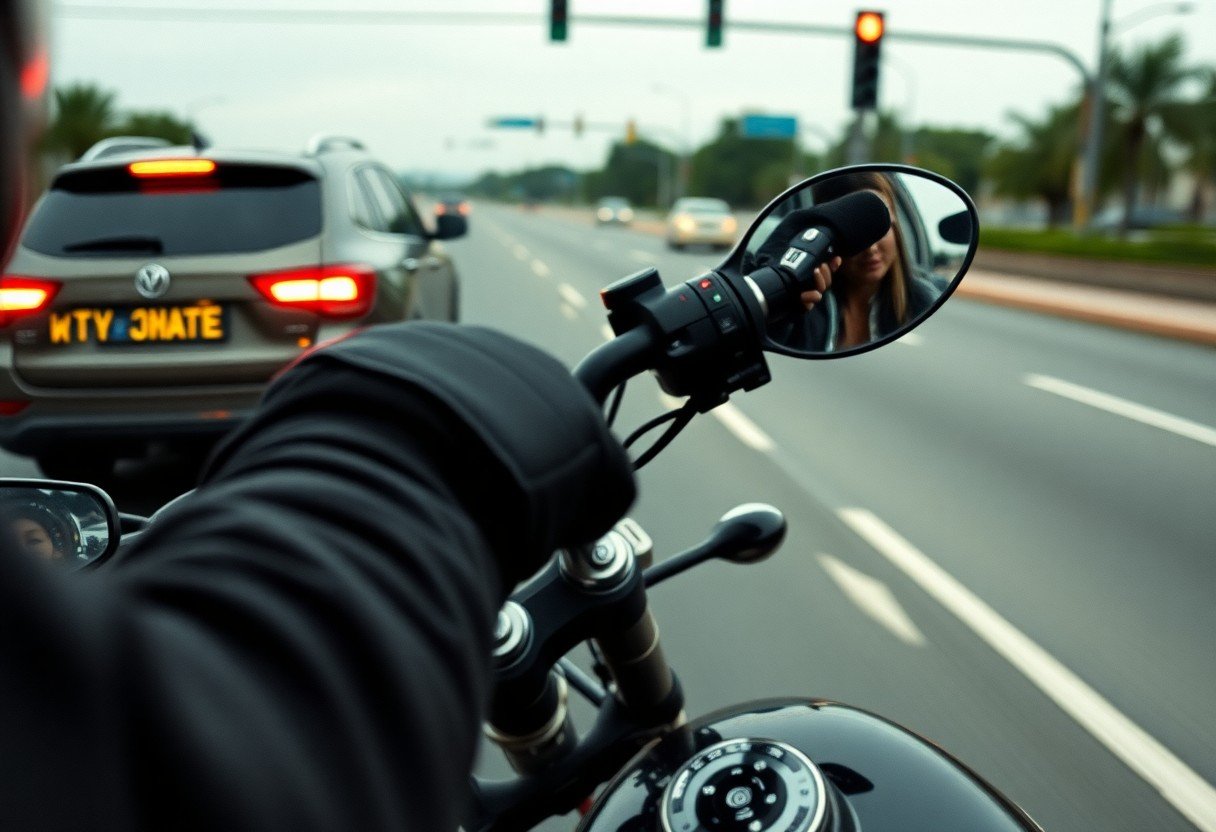
Best Practices for Riders
Safety Tips
You should limit lane‑splitting speed differentials to about 10-15 mph and avoid splitting when traffic exceeds 30 mph, wear DOT/ECE certified helmet and armored jacket, scan 3-5 seconds ahead for door openings or lane changes, use steady headlight/gear to boost visibility, and practice low‑speed filtering before attempting busy freeways to build spatial judgment and timing.
- Keep your speed differential to 10-15 mph relative to surrounding traffic.
- Position to be seen: bright helmet, reflective striping, and an offset lane line choice help drivers spot you.
- Watch mirrors and drivers’ heads for intent in a 3-5 second observation window.
- The helmet should be DOT or ECE certified and fastened every time you ride.
Legal Considerations
You need to know laws vary: California permits lane splitting with CHP guidance (generally no more than 15 mph faster than traffic and not over about 30 mph), while many states prohibit it outright; if you exceed local guidelines or act unpredictably, insurers and courts are likelier to assign you greater fault.
Liability is assessed from evidence: dashcam, traffic cam, witness statements, and reconstruction of speeds and trajectories. If you split at a 20+ mph differential and strike a vehicle changing lanes, comparative negligence could allocate major fault to you (examples commonly seen are 60/40 or 70/30 splits), which reduces claim payouts and can affect premiums and civil exposure.
Summing up
Summing up, when you lane split, fault can shift based on local laws, speed, visibility, and whether you acted negligently; evidence such as dashcam footage and witness statements will shape liability and insurance outcomes. You must know that jurisdictions vary in their treatment of lane splitting, and courts frequently apportion comparative fault between motorcyclists and drivers, directly affecting your compensation and legal exposure.
The Role of Law Enforcement
When officers arrive, their scene notes, photos, and initial determinations can tilt fault assessments; CHP guidance from 2012 suggests lane splitting at no more than a 15 mph differential and not above 30 mph, and if your speed or positioning exceeds those benchmarks officers often document it, which insurers and courts frequently treat as persuasive evidence when apportioning liability.
Reporting and Investigation
Officers gather measurable evidence-vehicle positions, contact points, skid marks, witness statements, and helmet- or dash-cam files-and you should supply witnesses and footage on-scene when possible; accurate diagrams and timestamps in a police report often become the primary source insurers use to reconstruct events and assign percentages of fault.
Officer Discretion in Accidents
Individual officers exercise judgment about citations and fault language; you might be cited if they note lane-splitting at 20-25 mph faster than traffic, whereas a 5-10 mph differential in heavy congestion may be left uncited, so how they describe speed, space, and rider behavior directly influences immediate liability labels.
Agency training and local policy affect outcomes: CHP-trained officers typically record speed differentials and spacing explicitly, while officers in smaller jurisdictions may use broader descriptions; you increase your chance of a fair initial record by providing clear helmet-cam footage, precise witness contacts, and concise statements about your speed and lateral position at the time of the incident.
Final Words
With this in mind you should understand that lane splitting can change fault allocation when motorcyclists or drivers misjudge speed, distance, or signaling; your actions, positioning, and adherence to local laws directly affect liability, and documenting evidence and seeking prompt legal advice helps protect your rights if fault shifts due to evolving interpretations or conflicting accounts.
FAQ
Q: How does lane splitting affect fault determination after an accident?
A: Lane splitting changes how investigators assess duty of care and proximate cause. Assessors examine the rider’s speed relative to traffic, positioning between vehicles, whether the rider created a hazard, and the motorist’s actions (sudden lane changes, dooring, failure to check mirrors or signal). Fault is assigned based on negligence principles: if a rider’s conduct was unreasonable under the circumstances they may bear partial or full fault; if a motorist acted negligently and the rider had no time or space to avoid collision, fault can shift to the motorist.
Q: Do laws regarding lane splitting make a rider automatically at fault?
A: No. Legal treatment varies by jurisdiction. In places where lane splitting is explicitly permitted or not addressed, riders are judged by general negligence standards rather than automatic fault. In jurisdictions where lane splitting is illegal, a traffic violation can be used as evidence of negligence but does not guarantee sole fault; comparative fault rules and case-specific facts still determine liability.
Q: What types of evidence most influence fault allocation in lane-splitting incidents?
A: High-impact evidence includes video (dashcams, helmet cams, traffic cameras), witness statements, vehicle damage patterns, skid marks, telematics or GPS data showing speeds/trajectories, traffic citations, and expert reconstruction reports. Medical records and statements about reactions or evasive maneuvers also affect credibility and percentage of fault assigned.
Q: How do comparative negligence rules affect recovery when both rider and driver share blame?
A: Under comparative negligence, each party’s percentage of fault reduces their recoverable damages. In “pure” comparative fault jurisdictions a claimant can recover even if 99% at fault, but recovery is reduced by their fault percentage. In “modified” systems a claimant is barred if their fault exceeds a threshold (commonly 50% or 51%). The precise allocation depends on evidence and local law.
Q: What practical steps can reduce a motorcyclist’s liability exposure while lane splitting?
A: Follow local laws and guidelines, match speed closely to adjacent traffic, avoid squeezing through narrow gaps, give extra clearance for drivers’ blind spots and doors, use conspicuous clothing and lights, signal lane changes clearly, avoid lane splitting in high-speed or high-volume conditions, document rides with camera footage when legal, and promptly preserve evidence and report incidents to insurers and authorities. Compliance with reasonable safety practices strengthens defense against liability claims.