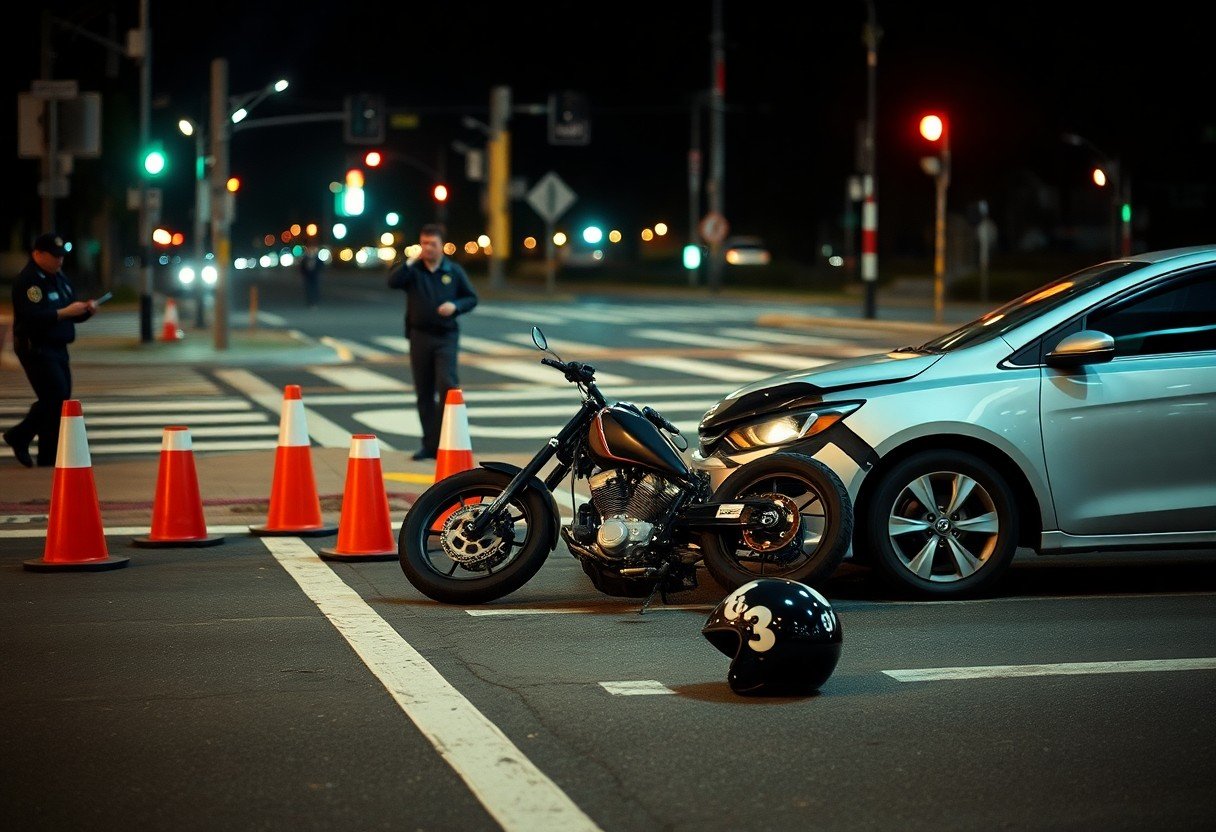
It’s important you understand why left-turn motorcycle accidents occur and how fault is proven; factors like limited visibility, violation of right-of-way, lane positioning, and misleading signals increase risk, while helmet-mounted cameras, witness statements, skid marks, traffic signals, and police or medical reports help establish liability. Knowing common driver errors and evidence types empowers you to protect your rights and work effectively with investigators or attorneys after a collision.
Key Takeaways:
- Left-turn collisions most often occur when a turning driver fails to see or yield to an oncoming motorcycle, misjudging its speed or distance due to the motorcycle’s smaller profile and blind spots.
- Right-of-way and traffic signals typically place the duty to yield on the left-turning driver, making them initially liable in many intersection collisions.
- Proving fault depends on evidence: police reports, witness statements, photos/videos (dashcam, surveillance), vehicle damage patterns, skid marks, and expert reconstruction.
- Court outcomes often use comparative negligence-motorcyclist actions (speed, lane position, lighting, impairment) can reduce or split fault and damages.
- Promptly documenting the scene, preserving cameras and vehicle evidence, collecting witness contacts, and obtaining medical records significantly strengthens a fault claim.
Understanding Left-Turn Motorcycle Accidents
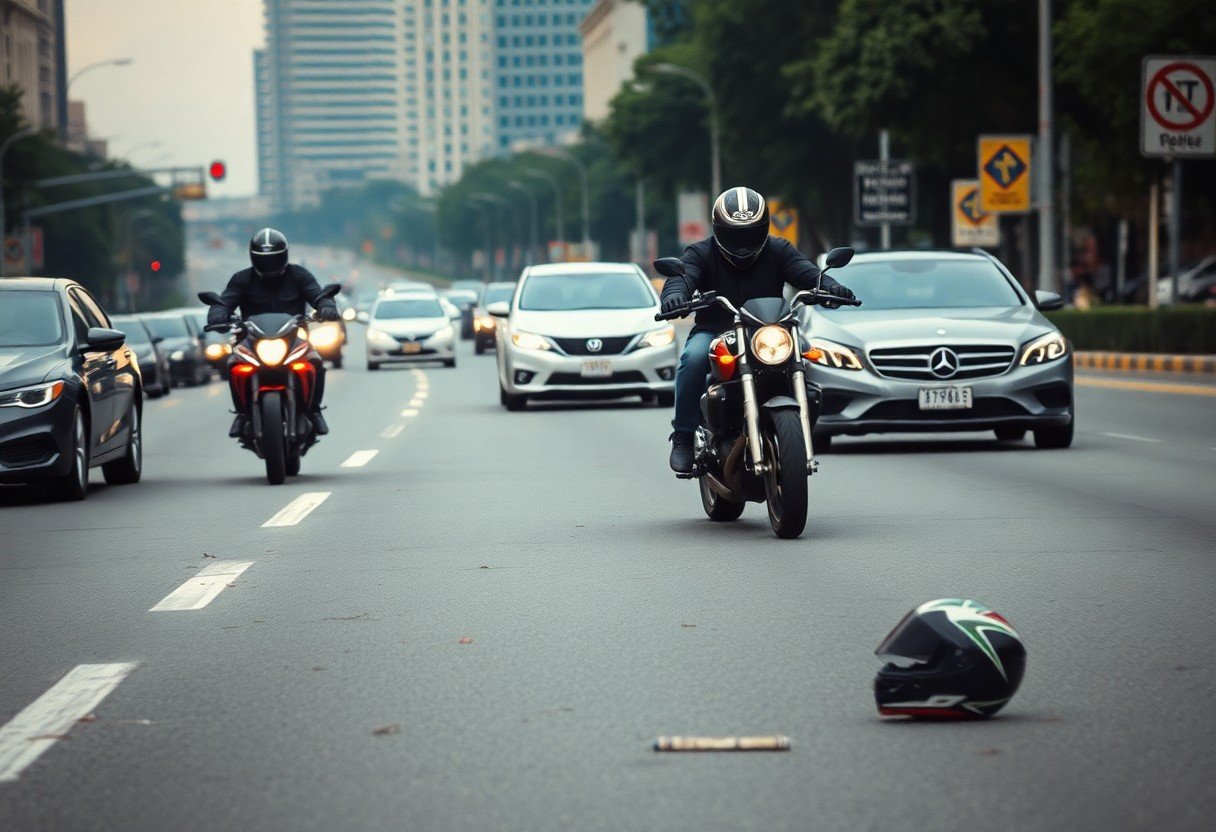
You see these collisions when a turning vehicle crosses a motorcyclist’s path while misjudging speed, ignoring right-of-way, or failing to spot a low-profile bike in blind spots. Intersection geometry, sun glare, and short sightlines magnify risk, and your injury patterns often reflect lateral impact forces rather than head-on energy. When you analyze a case, timing of signals, vehicle steering angle, and rider evasive input reveal whether the turn was negligent or an unavoidable hazard.
Common Causes
You’ll find recurring causes: drivers misjudging motorcycle speed, failure to yield, distracted driving (phones), obstructed views from parked cars or vegetation, and improper signaling. For perspective, at 35 mph a motorcycle covers about 51 feet per second, so a one- to two-second miscalculation easily turns into a collision 50-100 feet down the road. Those simple errors often determine fault when matched to witness statements and physical evidence.
Statistics and Trends
You should note that intersection crashes remain a leading setting for motorcycle collisions, with left-turn events disproportionally producing severe outcomes. Reconstruction standards use a 1.5-second perception-reaction time; at 30-35 mph that means a vehicle travels roughly 66-77 feet during reaction alone. Those distance-time facts are central when you argue that a driver had sufficient time to detect and yield to your motorcycle.
More detailed trend analysis shows rising urban exposure and device distraction increase left-turn risk, and the growth of taller SUVs worsens visibility issues for riders. You can leverage traffic-camera footage, signal phase timing, and skid-mark measurements against these trends to quantify detection windows and prove whether the turning driver breached the duty of care.
The Role of Visibility
Visibility often determines whether a left-turn becomes a collision: when you have less than about two seconds to spot a motorcycle approaching at 35 mph from 100 feet, misjudgments happen. Sun glare, wet pavement reflections, and heavy traffic all reduce contrast and response time. Studies of intersection crashes show driver sightline issues and motion camouflage frequently precede left-turn impacts, so you need to assess angles, lighting, and occlusions before committing to a turn.
Rider Visibility
You improve detection by using high-visibility gear and lighting: fluorescent jackets during day and retroreflective material at night significantly increase contrast against backgrounds. Positioning within the lane-occupying the left or right tire track to maximize sightlines-helps drivers judge your speed. Keep your headlight on, use auxiliary lights where legal, and signal early; at 35 mph a driver has roughly two seconds to spot you from 100 feet, so every extra visual cue matters.
Vehicle Blind Spots
You must account for blind spots caused by A-pillars, parked vehicles, trucks and SUVs whose bodies or mirrors hide motorcycles until the last moment. Heavy windshield glare and pillar shadows can create “looked but failed to see” scenarios. When you approach an intersection, watch for drivers turning from multiple lanes, and note whether their mirrors show your position; if not, assume you’re hidden.
Drivers can fail to see a motorcycle until it’s within 20-30 feet-less than a second at 35 mph-so you should never rely on being visible at the last moment. Use a staggered lane approach to maximize sight, flash your brake light briefly before turning, and avoid passing on the right where A-pillars block views. If you can’t establish eye contact or a clear mirror reflection of your position, slow and yield; it’s safer than assuming the driver will stop.
Legal Considerations
Negligence and Liability
When a left-turn crash occurs, courts look at duty, breach, causation and damages; if a driver failed to yield and struck your motorcycle, that breach often establishes liability. You can be assigned partial fault-for example, speeding 15 mph over the limit might reduce your recovery under comparative negligence. Many states apply modified comparative rules (50% or 51% bar). You should preserve skid marks, photos, witness statements and medical records to prove causation and quantify losses like medical bills and lost wages.
Traffic Laws and Regulations
Right-of-way statutes and turn-signal requirements directly affect fault in left-turn collisions; an approaching vehicle generally has priority and failure to yield or running a red light can be cited as violations. You must note state variations: local ordinances, commercial vehicle rules and distracted-driving laws (cellphone bans) change duties on the road. Police citations for failure to yield or red-light violations often influence insurer positions, though they do not automatically decide civil liability.
Statutes of limitations for personal injury typically run 2-3 years in most U.S. jurisdictions, so you should act quickly to preserve evidence and timely file claims. Traffic collision reports, red-light camera footage, dashcam and phone GPS data are highly persuasive; in one case study, camera evidence reduced dispute time by over 50%. Administrative penalties, license points and insurance policy limits also shape negotiation strategy and settlement value.
Proving Fault in Accidents
To prove fault you must connect duty, breach, causation and damages using hard evidence: right-of-way rules, signal phases, EDR data and physical scene analysis. You can estimate pre-impact speed from skid marks with v = √(30·f·d) (mph), compare that to EDR delta‑V, and align timestamps from phone video or traffic signals to build a timeline that pins liability for a left‑turn collision.
Gathering Evidence
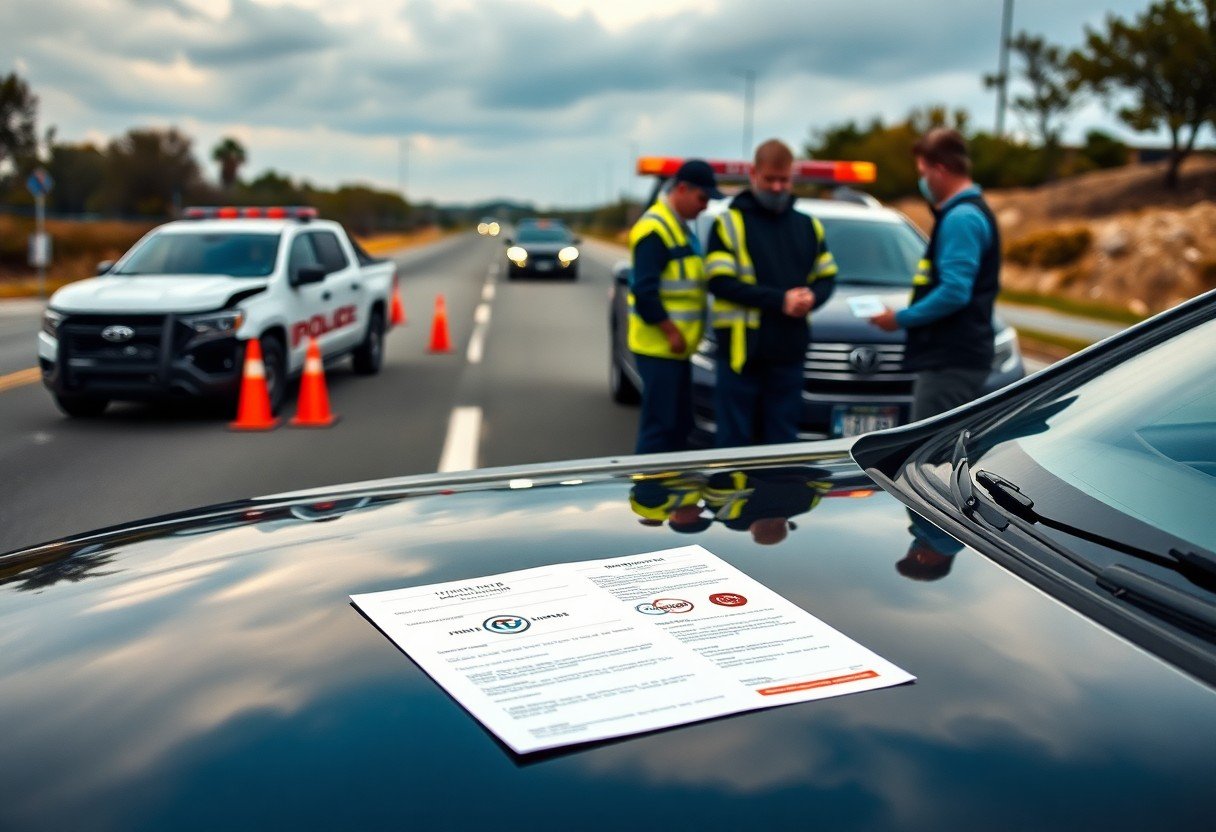
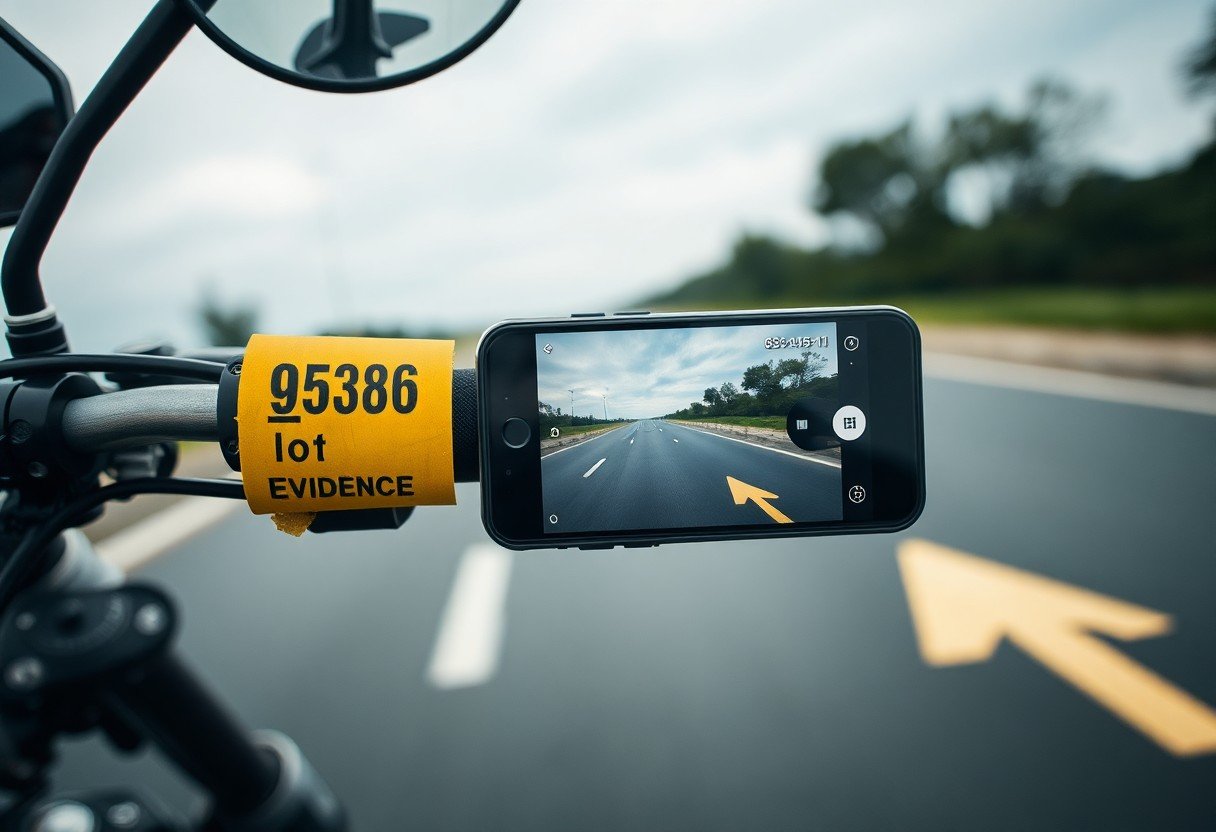
Collect photos, wide and close, showing vehicle positions, damage, road markings and sightlines; record video from multiple angles and keep original files. Obtain the police report, 911 audio, traffic‑camera logs and an EDR download when available. Act fast: surveillance footage is often overwritten in 7-30 days, so send preservation requests and capture witness contact info within 48 hours to secure perishable proof.
Witness Testimonies
Ask bystanders for names, phone numbers and short signed statements describing what they saw, where they stood, distances and lighting. Focus on concrete details-relative speed, horn use, signal colors-and try to get at least two independent witnesses whose accounts can be cross‑checked with video or scene evidence to strengthen your case.
When you interview witnesses, use a short checklist: date/time, exact vantage point, whether they were moving, and any potential bias. Obtain written or recorded statements with permission, and note inconsistencies-memory degrades quickly, so timestamped photos or contemporaneous notes increase credibility. In litigation, signed affidavits and deposition testimony from 2-3 corroborating witnesses often sway hearings, especially when paired with video or EDR data.
Insurance Claims and Compensation
Navigating Insurance Policies
After a left‑turn collision you should notify your insurer within 24-72 hours, preserve photos and witness info, and obtain both drivers’ declarations pages. Check bodily injury limits (e.g., $50,000/$100,000) and uninsured/underinsured motorist (UM/UIM) coverage early; if the at‑fault policy tops out at $50,000 but your damages are $120,000, you may need to tap UM/UIM or sue. Keep claim numbers, track adjuster statements, and consider counsel when a reservation of rights or denial appears.
Compensation for Injuries
You’ll pursue economic damages (medical bills, lost wages, future care) and non‑economic damages (pain and suffering, loss of enjoyment). For example, $40,000 past medicals + $60,000 projected future care + $20,000 lost wages = $120,000 economic; applying a 1.5-4× pain‑and‑suffering multiplier produces a $180,000-$480,000 range. If you’re assigned 20% fault, expect a 20% cut to recoverable amounts.
Gather medical records, itemized bills, pay stubs, employer statements, and a life‑care plan or expert opinion for future costs; those documents often swing settlements. Expect routine claims to settle in 6-18 months, while complex cases involving TBI or spinal injuries may require IMEs, vocational experts, and 1-3 years to resolve, with life‑care estimates ranging from six‑figure to multi‑million dollar projections for catastrophic needs.
Prevention Strategies
You can reduce left-turn collisions by increasing visibility, choosing a defensive lane position, and reducing approach speed; studies show left-turn crashes account for about 40% of motorcycle-car intersection collisions. Use headlight-on, high-visibility gear, and brake early to control space. Document incidents and witness statements promptly; consult liability guidance: Liability When a Car Crashes Into a Motorcycle | IL Lawyer.
Safety Tips for Riders
As a rider, position yourself where drivers expect a motorcycle, cover both brakes when approaching intersections, and slow to 20-30 mph in urban areas so you can stop if a vehicle cuts you off; use your horn if a driver drifts into your lane.
- Cover the clutch and both brakes when approaching potential left-turn conflicts.
- Scan at least 10-12 seconds ahead for turn signals, brake lights, and driver eye contact.
- Assume that drivers turning left may misjudge your speed or fail to see you; be prepared to brake, swerve, or choose an escape path.
Awareness for Drivers
You must check mirrors and blind spots for two-wheeled traffic before turning, signal earlier than you think necessary, and wait until the motorcycle has passed; drivers frequently underestimate a motorcycle’s speed and closing rate, so a brief gap that looks safe can be dangerous.
Make eye contact when possible and pause an extra second after signaling to confirm a rider’s trajectory; at 30 mph a motorcycle covers about 44 feet per second, so misjudging by one second can create a 40-50 foot error-when unsure, yield and let the motorcycle clear the intersection.
Conclusion
To wrap up, you should understand that left-turn motorcycle crashes often stem from visibility issues, misjudgment, and driver distraction or impairment, and proving fault depends on prompt evidence collection-photos, witness statements, surveillance, and expert reconstruction. By acting quickly to preserve evidence, obtain medical care, and consult an experienced attorney, you increase your ability to establish liability and protect your legal and financial interests after a left-turn collision.
FAQ
Q: Why do left-turn motorcycle accidents happen so often?
A: Left-turn collisions occur because the turning vehicle must cross oncoming traffic and often misjudges a motorcycle’s speed or visibility; contributing factors include driver failure to yield, motorcycle’s smaller profile and reduced conspicuity, blind spots, sun glare, obstructed sightlines, distracted or impaired drivers, and misread traffic signals or signage.
Q: How is fault typically determined in a left-turn motorcycle collision?
A: Fault is determined by applying right-of-way and traffic-control rules (the turning vehicle generally must yield to oncoming traffic), combined with physical evidence, police reports, witness statements, traffic camera footage, and any admissions; comparative-negligence rules may apportion fault if the motorcyclist’s behavior (speeding, unsafe lane changes) contributed.
Q: What types of evidence most effectively prove fault in these cases?
A: Strong evidence includes scene and vehicle photographs, skid marks and road debris, traffic-signal timing or camera footage, dashcam or helmet-cam video, witness contact information and statements, the police collision report, EMS and medical records, vehicle event data recorder (EDR) downloads, and repair/inspection reports that document point of impact and damage patterns.
Q: What immediate steps should a motorcyclist take after a left-turn crash to preserve proof of fault?
A: Seek medical attention, call law enforcement, take photos of vehicle positions, damage, traffic controls and road conditions, collect names and contact details of witnesses and the other driver, record the other vehicle’s license and insurance info, keep helmets and riding gear intact, avoid admitting fault to insurers, get the police report number, and preserve any video or electronic data from phones or cameras.
Q: How do accident reconstruction experts and technical analyses help prove fault?
A: Reconstructionists analyze impact damage, road marks, vehicle rest positions, EDR/speed data, and witness timing to model vehicle trajectories and speeds; their reports and testimony can clarify whether the turning driver failed to yield, quantify comparative fault, rebut insurer theories, and convert physical evidence into a persuasive, court-ready explanation of causation.