Just after a pedestrian hit-and-run, you must secure medical attention, document the scene, contact police, and collect witness information to support any claim; you should also photograph injuries and vehicle damage if possible. Learn your insurance options-uninsured/underinsured motorist coverage, personal injury protection, and legal remedies-and how to coordinate claims with law enforcement and health care providers to protect your rights.
Key Takeaways:
- Prioritize safety and medical care: move to a safe location, call 911, get medical attention, and document injuries and treatment.
- Document the scene and gather evidence: note vehicle make, model, color, partial plate or distinguishing marks, direction of travel, take photos/video, and collect witness names and contact info; check for nearby surveillance cameras.
- File a police report promptly and obtain the report number to support insurance claims and any legal action.
- Notify your insurer immediately; applicable coverages include uninsured/underinsured motorist (UM/UIM) for bodily injury, collision coverage for vehicle damage (minus deductible), and MedPay/PIP or health insurance for medical expenses.
- If coverage is insufficient, consult an attorney; insurers may pursue subrogation and law enforcement may continue hit-and-run investigations to recover losses.
Understanding Hit-and-Run Incidents
You need to know that a hit-and-run occurs when a driver fails to stop after a collision that causes injury, death, or property damage; statutes vary by state and influence whether the incident is handled as a misdemeanor or felony. Evidence such as partial plates, vehicle paint transfer, surveillance video, and witness statements often determine culpability and your ability to recover through insurer or uninsured motorist claims, so preserving and documenting the scene immediately matters.
Definition of Hit-and-Run
A hit-and-run is defined by the driver’s unlawful departure from the collision scene without exchanging identification or offering aid when required; jurisdictions differ on thresholds for reporting and penalties. You should treat any instance where the other party leaves as both a criminal matter and potential civil claim, because that refusal to stop typically increases prosecutorial focus and affects how insurers process your claim.
Common Scenarios
Typical cases you’ll encounter include low-speed parking-lot impacts with no witnesses, nighttime crosswalk strikes on poorly lit streets, highway sideswipes where the fleeing driver unplugs dashcam evidence, and collisions involving stolen or uninsured vehicles; delivery and ride-share vehicles sometimes appear in reports. You’ll find that quick witness canvassing and nearby CCTV retrieval often make the difference in identifying the culprit.
For example, if you’re struck in a dim crosswalk at 10:30 p.m., prioritize photographs of injuries and vehicle debris, get medical attention, and seek nearby camera footage from businesses or traffic cams within 24-72 hours; if hit in a parking lot, note the direction of travel, scrape patterns, and any partial plate or vehicle color. You should report to police immediately and notify your insurer to activate uninsured motorist or hit-and-run coverage processes.
Immediate Steps to Take After a Pedestrian Hit-and-Run
Ensuring Safety and Seeking Medical Help
Call 911 immediately and report your exact location, injuries, and any vehicle description you recall; if you suspect a spinal injury, avoid moving and instruct bystanders to stabilize your head and neck. Apply direct pressure to heavy bleeding for 5-10 minutes, and seek emergency evaluation within 24-48 hours because concussions and internal injuries can present later. Keep a clear record of the medical facility and attending physician for insurance and police reports.
Gathering Evidence
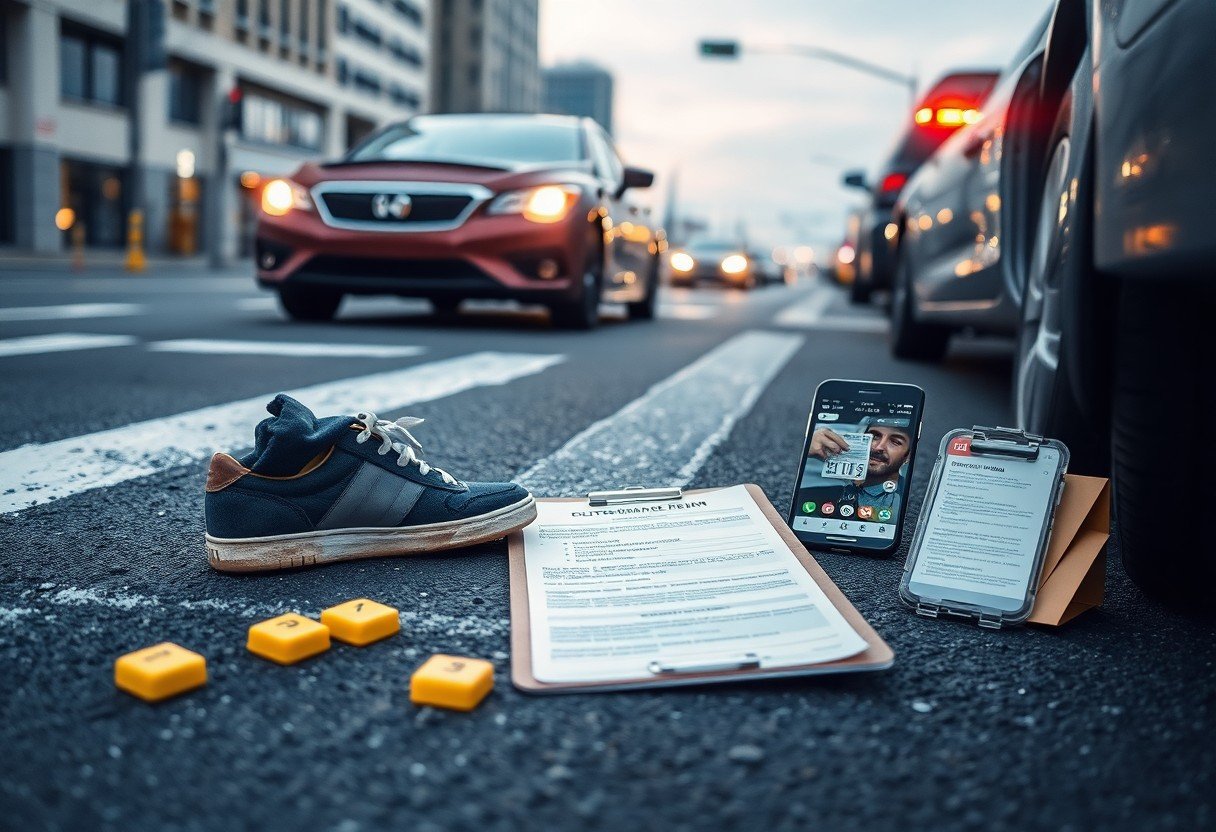
Photograph the scene from multiple angles-take 3-5 wide and close-up shots of vehicle damage, skid marks, your injuries, and nearby signage; capture time-stamped images if possible. Note direction of travel, exact time, weather, and any partial or full plate numbers, then collect witness names and phone numbers and obtain the police report number at the scene.
When available, ask nearby businesses or traffic authorities for CCTV; a single clear plate photo or 10-15 seconds of video often leads to ID within 48-72 hours. Preserve clothing in a paper bag and avoid washing it, document all medical visits and expenses, and provide digital copies of photos and witness statements to police and your insurer to strengthen claims and expedite vehicle-tracking efforts.
Reporting the Incident
Report the hit-and-run to police immediately-call 911 for injuries or use the non-emergency line for property-only crashes-and notify your insurer with the police report number, photos, and witness names. Note time, exact location (GPS or intersection), vehicle description and any partial plate you captured. Check your policy for uninsured/underinsured motorist rules and see Am I Covered if I’m in a Hit-and-Run Accident?
Contacting Law Enforcement
If anyone is hurt call 911 right away; otherwise contact the local non-emergency dispatch and give the precise address, direction of travel, vehicle color, make and model, and any part of the plate. Ask for the CAD/incident number and the responding officer’s name and badge number, and collect witness contact details-officers can also canvass nearby businesses for surveillance within 24-48 hours.
Filing a Police Report
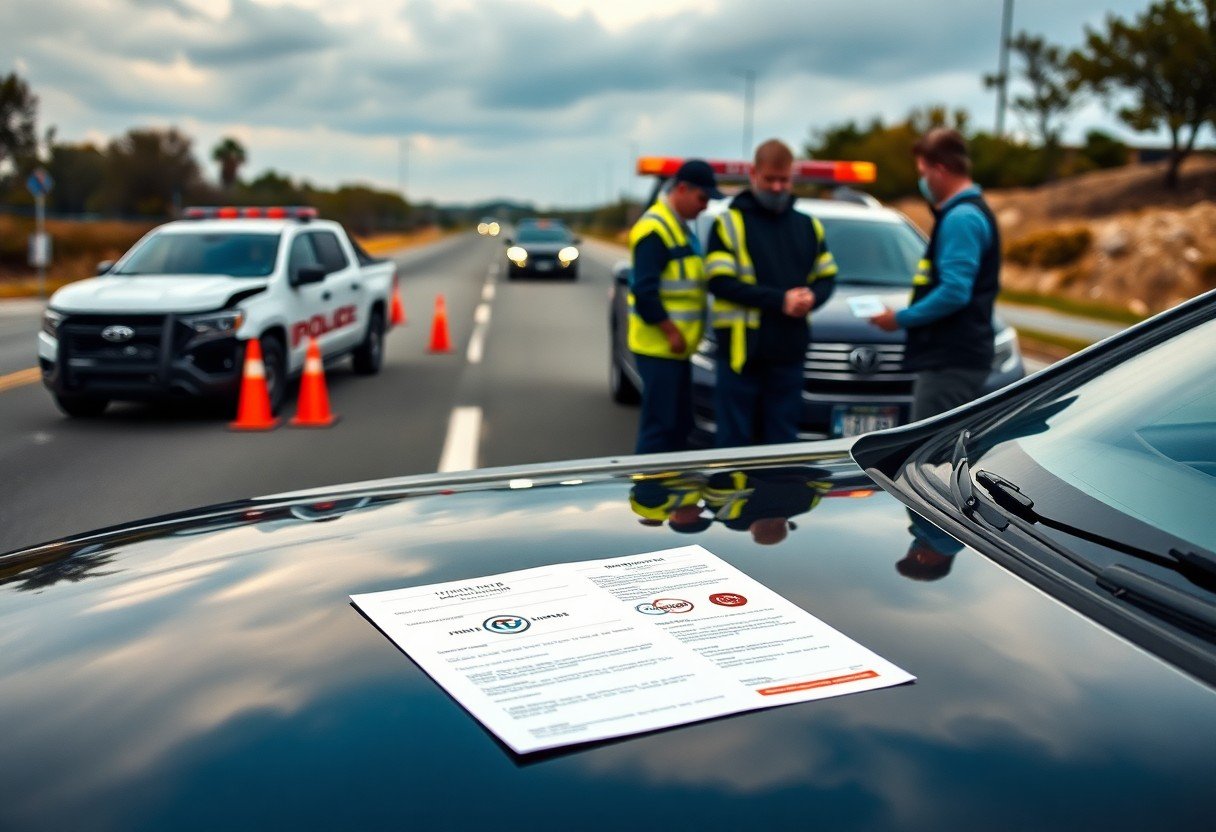
File a formal police report as soon as possible; include your account, photos of damage and scene, medical records if injured, and witness statements. Provide vehicle make, model, color, VIN if available, and any plate characters. Obtain the report number-insurers commonly require it within 24-48 hours when you submit a hit-and-run claim.
After filing, request a copy and the report number; many departments allow online or records-office requests and may take 1-14 days to process. Supply the insurer with the official report, dashcam or phone video timestamps, surveillance requests you initiated, and any tow or repair invoices so your claim and potential license-plate traces proceed without delay.
Insurance Coverage for Hit-and-Run Cases
When you’re the victim of a hit-and-run, insurance is often the path to recovery: insurers typically require a police report and prompt notice-often within 24-72 hours-and will assess whether your policy’s uninsured/underinsured motorist (UM/UIM), collision, or medical payments apply. In many policies UM limits are expressed like $25,000/$50,000 (per person/per accident); if your bills exceed the at-fault driver’s limits, your UIM can bridge the gap once eligibility is established.
Types of Insurance Coverage Available
You can rely on several coverages after a hit-and-run: uninsured motorist bodily injury (UMBI) for your medical bills and lost wages, uninsured motorist property damage (UMPD) for vehicle repairs, collision to cover repairs minus your deductible, medical payments (MedPay) for immediate treatment, and rental reimbursement for transportation while your car is in the shop.
| Uninsured Motorist Bodily Injury (UMBI) | Covers medical bills/lost wages if driver uninsured; common limits $25,000/$50,000 per person/accident. |
| Underinsured Motorist (UIM) | Pays when at-fault limits are inadequate; e.g., $50,000 bill minus at-fault $15,000 = UIM fills remainder up to your limit. |
| Uninsured Motorist Property Damage (UMPD) | Repairs your vehicle after hit-and-run; often available with a $250-$500 deductible depending on state. |
| Collision Coverage | Pays to repair or replace your car regardless of fault, subject to your deductible (commonly $500-$1,000). |
| Medical Payments (MedPay) | Covers immediate medical costs up to policy limits (frequently $5,000-$10,000) regardless of who caused the crash. |
- File a police report immediately and keep the report number for your claim.
- Provide your insurer with witness names, photos, and any surveillance footage you can get.
- Track all medical and repair bills; insurers will want itemized receipts and bills.
- Knowing to ask about UMPD, UMBI, and MedPay early can speed approval and cover gaps in lost wages or repairs.
Understanding Uninsured Motorist Coverage
If the driver who hit you fled, your uninsured motorist (UM) coverage often becomes your primary remedy: UM typically splits into bodily injury (UMBI) and property damage (UMPD), and you’ll need a police report plus documentation of expenses to file. Many states allow UM to be stacked across multiple policies, so if you have two policies with $25,000 each you could access $50,000 in some cases.
In practice you should expect an insurer to verify the hit-and-run via the police report and medical records; an example: you incur $12,000 in medical bills and have a $25,000 UMBI limit-your insurer would cover the eligible $12,000 less any applicable deductible or offsets. Also note timing matters: some policies impose claim deadlines and require cooperation with investigation, so preserve evidence, obtain witness statements, and consult your agent or attorney if the insurer disputes coverage or undervalues your losses.
Legal Considerations
After a hit-and-run you face both criminal and civil processes: prosecutors may pursue charges like hit-and-run or leaving the scene, while you can file civil claims for damages and seek insurance recovery. In many states statutes of limitations for personal injury range from 2-6 years and property claims 1-3 years, so you should act quickly to preserve evidence such as surveillance footage, witness statements, and police reports.
Potential Legal Actions
You can expect criminal charges against the driver if identified-penalties may include fines, license suspension, and jail time ranging from months to years depending on injury severity-while civil remedies let you pursue compensatory damages for medical bills, lost wages, and pain and suffering. Additionally, uninsured/underinsured motorist (UM/UIM) claims against your policy or restitution orders in criminal cases are common avenues to recover losses.
Seeking Legal Advice
You should consult an attorney promptly if injuries are significant, liability is disputed, or the at-fault driver is unidentified. Many personal injury lawyers handle hit-and-run cases on contingency, commonly charging 33%-40% of recoveries, and offer a free initial consultation to evaluate evidence like police reports, medical records, and witness contact details.
Bring copies of the police report, photos, medical bills, insurer communications, and any video to your first meeting; ask about past hit-and-run results, expected timelines, and fee structure (contingency versus hourly). If criminal exposure exists for you or conflicting accounts arise, consider a lawyer experienced in both personal injury and traffic/criminal defense to coordinate civil recovery while protecting your rights.
Emotional and Psychological Impact
After a hit-and-run, you may feel intense shock, helplessness, anger and hypervigilance; delayed symptoms like nightmares or avoidance are common. Studies estimate 10-30% of traffic‑collision survivors develop PTSD, and uncertainty about the driver’s identity increases stress and complicates recovery. These reactions can slow physical healing, affect sleep and concentration, and influence insurance and legal choices, so document symptom timing and severity for medical and legal records.
Coping with Trauma
Begin treatment early: seek medical evaluation, contact a trauma‑informed therapist and track symptoms daily. Trauma‑focused CBT (often 8-16 sessions) and EMDR (commonly 6-12 sessions) have strong evidence for post‑crash PTSD. Use grounding techniques like the 5‑4‑3‑2‑1 sensory exercise, paced breathing and consistent sleep routines to manage panic. If pain limits mobility, coordinate physical and mental rehab so your clinical notes support both recovery and any legal or insurance claims.
Resources for Support
Tap state victim‑compensation programs (available in every U.S. state) to help cover medical bills and lost wages when the driver isn’t identified; filing rules vary. Contact your police department’s victim advocate, call 988 for crisis support or 211 for local services, and consult nonprofits such as the National Center for Victims of Crime or MADD for referrals and guidance through the claims and legal processes.
When you apply for victim compensation, gather the police report number, itemized medical bills, proof of identity and a filled claim form-some states also require proof you cooperated with investigators. Deadlines for filing commonly range from 30 days to one year depending on the state, and eligibility often depends on whether you were engaged in lawful activity at the time of the incident. If claims are complex, a victim advocate or contingency‑fee attorney can help assemble documentation and meet deadlines.
Conclusion
Drawing together the steps to take and coverage options after a pedestrian hit-and-run, you should seek medical care, report the incident to police, document any evidence you can, notify your insurer promptly, and review uninsured/underinsured motorist and medical payment coverages to safeguard your recovery and finances.
FAQ
Q: What should I do immediately after a pedestrian hit-and-run?
A: Move to a safe location and call 911 to report injuries and the hit-and-run. Seek medical attention right away – some injuries may not be obvious. Note and photograph the scene, vehicle direction, make/model/color, partial or full plate if visible, traffic signals, skid marks, and any debris. Collect names and contact details of witnesses and nearby businesses that might have surveillance cameras. Do not admit fault to bystanders or the driver if the driver returns.
Q: How do I report the incident to police and what information will they need?
A: Give dispatch your exact location, time, description of the vehicle and driver (if seen), the direction the vehicle fled, and the nature of your injuries. Provide witness contacts and any photographic or video evidence. Ask for the responding officer’s name, badge number, and the police report or case number, and request a copy of the report for insurance and legal use. File any required state/DMV reports within the statutory timeframe where applicable.
Q: Which insurance coverages can help if a pedestrian is hurt in a hit-and-run?
A: Personal injury protection (PIP) or medical payments (MedPay) on a motor vehicle policy can pay medical bills regardless of fault in states that offer them. Uninsured/underinsured motorist (UM/UIM) coverage often extends to pedestrians and can cover medical expenses, lost wages, and pain and suffering when the driver is unknown or uninsured. Health insurance may cover immediate treatment, and if a driver is later identified, their liability auto insurance should apply. Coverage availability and limits vary by state and policy – check your declarations page and notify insurers promptly.
Q: How do I file an insurance claim after a pedestrian hit-and-run?
A: Report the incident to your insurer and to your auto insurer if you have UM/PIP/MedPay, supplying the police report, medical records, photos, witness information, and expense documentation. Keep detailed records of medical visits, prescriptions, receipts, and time off work. Cooperate with adjusters but avoid giving recorded statements without legal advice if liability or severity is contested. If a claim is denied or underpaid, request a written explanation and consider escalating the dispute to a supervisor, your state insurance regulator, or an attorney.
Q: When should I hire an attorney and what can a lawyer do for a hit-and-run pedestrian case?
A: Consult an attorney when injuries are moderate to severe, when insurers deny or lowball claims, or when the driver is found and liability is disputed. An attorney can preserve and gather evidence (surveillance, witness affidavits), deal with insurers, calculate total damages including future care and lost earnings, negotiate settlements, and file suit within the statute of limitations if needed. Many pedestrian injury attorneys work on contingency, so they advance costs and are paid a percentage only if you recover compensation.