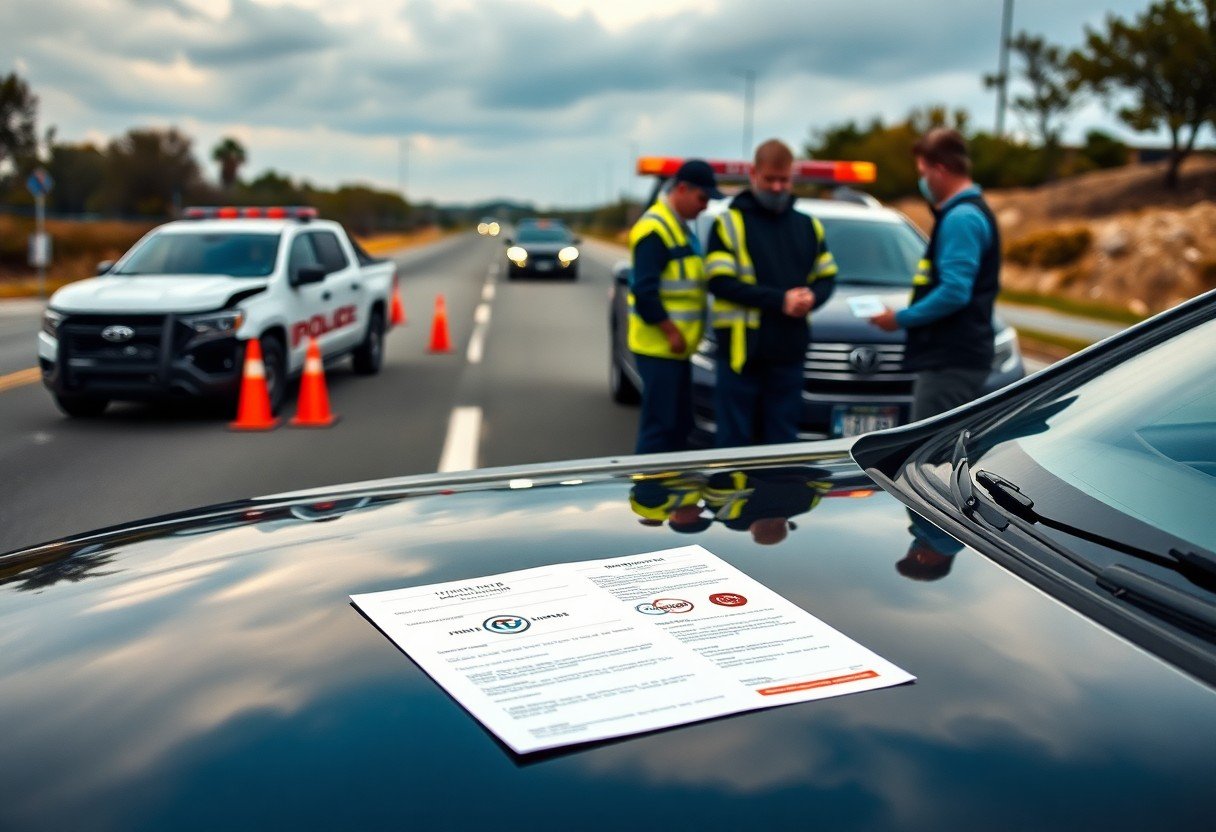
You see rear-end collisions constantly because distracted driving, tailgating, and sudden stops make them frequent, and knowing why they occur helps you protect your claim; what matters most is establishing fault with clear evidence, preserving your medical records and vehicle damage documentation, reporting the crash promptly to insurers and police, and seeking legal advice if liability or compensation is contested.
Key Takeaways:
- Rear-end crashes are common because short following distances, distracted driving, sudden stops, congestion and poor weather reduce stopping time.
- Liability often presumes the rear driver at fault, but comparative negligence and contradicting evidence can alter fault and payouts.
- Strong claims rely on early evidence: photos, dashcam or surveillance video, witness statements and the police report.
- Injuries can be delayed or subtle; get prompt medical evaluation and keep detailed treatment records to link injuries to the collision.
- Report to your insurer quickly, preserve vehicle damage and repair estimates, avoid giving recorded statements about fault if injuries are significant, and consult an attorney when liability or damages are contested.
Understanding Rear-End Collisions
You see rear-end wrecks frequently because they happen where vehicles are close and speeds change suddenly – intersections, parking lots, and congested highways. Short following distances, delayed reactions, and momentary distractions combine with mechanical failures or bad weather to turn a minor lapse into a collision. When you analyze a claim, those situational details often determine liability and damages more than the mere fact one car hit another.
Definition and Common Causes
A rear-end collision occurs when one vehicle strikes the back of another; most involve a trailing driver failing to stop for a lead vehicle. Common causes you’ll encounter include cellphone distraction, tailgating, sudden braking, impaired driving, brake or tire failures, and unexpected lane changes. Because human perception-reaction time averages about 1.5 seconds, at 60 mph you travel roughly 132 feet before braking – a useful illustration when evaluating following distance and fault.
Factors Contributing to Frequency
Multiple factors raise the likelihood of rear-end collisions: dense stop-and-go traffic increases exposure, driver distraction rates remain high, and many drivers follow at less than the recommended 2-3 seconds. Road design elements like short merge areas and poorly timed signals concentrate braking points, while bad weather cuts braking effectiveness and visibility. You’ll often find a mix of human error and environmental conditions in claim files.
- High traffic density and commuter congestion create more braking events per mile.
- Driver distractions – especially handheld device use – shorten the attention you give the road.
- Poor visibility from rain, fog, or nighttime can double stopping distances and obscure brake lights.
- Vehicle maintenance issues, such as worn brakes or tires, reduce your ability to stop safely.
- Knowing which of these factors applied in a crash guides evidence-gathering and liability arguments.
You should evaluate scenarios with concrete numbers: a 2-second following gap at 45 mph means you cover ~132 feet before reacting, whereas at 30 mph that gap is ~88 feet; these distances matter when comparing witness statements to physical evidence. Case files commonly show rear-end claims hinge on whether lane marking, signal timing, or a dashboard phone record align with the trailing driver’s account. Use black-box data, surveillance, and repair invoices to tie the factors to what you can prove.
- Apply the 2-3 second rule to estimate safe following distance in reconstruction.
- Check phone and telematics records to corroborate distraction or speed patterns you suspect.
- Document weather, lighting, and signal timing from DOT or municipal sources to support environmental claims.
- Knowing which evidence strengthens your case helps prioritize investigation and settlement strategy.
Legal Aspects of Rear-End Collision Claims
When you file a rear-end claim, timelines and evidence matter: statutes of limitation often run 2-3 years (California two years, New York three years), you must prove negligence by a preponderance of the evidence, and documentation like police reports, dashcam video, cell-phone logs, and medical records can tip fault or valuation. Courts and insurers weigh physical evidence, witness testimony, and vehicle damage patterns to assign liability and quantify damages.
Liability and Fault Determination
You’ll often face a presumption that the rear driver is at fault; insurers typically start there but will shift blame if evidence shows abrupt stops, mechanical failure, or missing brake lights. For example, if the lead vehicle reversed into you or was first struck from behind, fault can change. Comparative negligence rules then apply-your recovery may be reduced proportionally or barred if your percentage exceeds a state threshold like 50%.
Role of Insurance Companies
Insurers investigate fast: adjusters collect statements, photos, repair estimates, and medical records, and may request a recorded statement or an independent medical exam. You should notify your carrier promptly, preserve evidence, and avoid accepting the first offer; common policy limits such as $25,000 per person/$50,000 per accident often cap recovery, making underinsured/uninsured coverage important for larger losses.
Adjusters typically value claims using medical bills, lost wages, and a pain-and-suffering multiplier (often 1.5-4 for moderate injuries) while citing offsets like pre-existing conditions. You can strengthen your position with a demand package-chronology, ER and imaging records, treatment notes, wage documentation, repair estimates, and photos. If the insurer undervalues or denies the claim, negotiating through counsel or filing suit may resolve subrogation, liens, and increase your recovery.
Key Evidence in Rear-End Collision Claims
You should prioritize contemporaneous items: clear photos of vehicle damage and road conditions taken within 24-48 hours, the police report with diagram and officer observations, medical records documenting neck or back complaints, dashcam or CCTV footage, and EDR (event data recorder) output that often captures 2-5 seconds of pre‑impact speed and braking. Correlating skid‑mark measurements, traffic signal timing, and repair estimates gives you objective anchors that insurers and experts rely on to reconstruct fault and forces involved.
Importance of Documentation
If you collect dated photos from three angles, a written account of symptoms the day after the crash, repair estimates, and the police report number, your claim gains credibility. Preserve medical bills, physical-therapy notes, and employer lost‑wage statements with dates. Digital timestamps on phone photos and dashcam clips reduce disputes about timing. When documentation is complete and organized, claims tend to move faster and settlement offers are more defensible during negotiation or mediation.
Role of Eyewitness Accounts
Eyewitnesses can confirm vehicle positions, signal status, and whether brakes or hazards were applied, but accuracy depends on vantage point and attention. Obtain names, contact details, and concise written or recorded statements describing what they saw, approximate distances, and lighting conditions. Two independent witnesses who note the same sequence-tail lights off, no braking, impact from behind-significantly strengthens your narrative when matched to physical evidence.
When you secure witness testimony, aim for signed, time‑stamped statements and ask specific questions: where they were located, whether they saw brake lights illuminate, speeds they estimated, and if any distractions (phones, sun glare) were present. Cross‑check their accounts against EDR, video, skid marks, and medical timelines; discrepancies in vantage or recall are common, so corroboration with hard evidence-like a dashcam showing a 30‑foot closing distance-turns a persuasive witness account into a powerful piece of proof.
Common Challenges in Filing Claims
Claims often stall because evidence gaps, delayed treatment, and disputed fault combine to complicate a seemingly straightforward rear-end crash. Rear-end collisions account for roughly 30% of accidents, yet missing police reports, lack of dashcam footage, or witnesses can turn liability into a battle. Expect whiplash-only claims to take 3-6 months on average to resolve and preserve photos, timestamps, and medical records from day one to strengthen your position.
Disputes Over Liability
Liability gets contested when insurers argue you contributed by braking suddenly or following too closely; the common two-second following-distance guideline is often cited. You should counter with police reports, video, or witness statements; otherwise an adjuster can assign 10-20% fault and reduce your recovery. A handful of states apply contributory negligence rules that can bar recovery entirely, while most use comparative systems that proportionally reduce awards.
Insurance Adjuster Tactics
Adjusters often open with lowball offers-frequently 20-40% of expected value-to encourage quick settlements, then request recorded statements within 48-72 hours and medical releases to mine for prior conditions. You should avoid detailed statements until medical bills, repair estimates, and witness contact info are compiled, and treat early offers as negotiation starters rather than finality.
In practice, adjusters use several specific tactics: scheduling an IME within 4-8 weeks to obtain a report minimizing your symptoms, deploying surveillance to suggest normal activity and dispute impairment, and combing prior medical records to attribute pain to pre-existing conditions. They may delay claims timing to pressure you before the statute of limitations (typically 2-3 years depending on the state) or demand tax returns to challenge lost-wage claims. Document every appointment, keep contemporaneous pain journals, and preserve receipts so you can rebut depreciation, partial-fault allocations, and lowball settlement math with concrete evidence.
Compensation Factors in Rear-End Collision Claims
You should expect settlement totals to hinge on injury severity, medical costs, lost income, and liability percentage; minor claims typically settle between $3,000-$15,000, while serious spinal or whiplash cases can exceed $50,000. Insurers weigh documented bills, treatment timelines, and preexisting conditions, and you strengthen your position with consistent physician notes and imaging. For detailed injury patterns and compensation examples see Common Injuries From Rear-End Collisions and How To …
- Liability percentage (rear driver often assigned 80-100% fault in clear cases)
- Documented medical bills, receipts, and imaging that show treatment chronology
- Any long-term disability claims or loss-of-earning-capacity projections included in damages
Medical Expenses and Damages
You must compile all bills, from ER visits ($1,200-$4,000 for typical whiplash ER care) to MRIs ($1,000-$3,000) and physical therapy; past medicals are proved with invoices, while future care is supported by provider treatment plans and expert cost estimates. Courts and insurers analyze treatment gaps, constancy of care, and objective findings, so you should obtain provider statements tying symptoms to the collision to maximize recovery.
Loss of Wages and Future Impact
Document missed work with pay stubs and employer letters; short-term wage loss is calculated from gross earnings, and future loss relies on vocational experts who factor age, occupation, and earning trajectory. Courts often multiply weeks lost by weekly pay and add projected lost raises or promotions when recovery limits your career; you should preserve employer testimony and bonus histories to substantiate claims.
When projecting future earnings you should retain a vocational economist; for example, a 40-year-old earning $50,000 annually with a 5% growth rate who loses full capacity could have present-value losses in the hundreds of thousands depending on retirement age and discount rate. Include fringe benefits, expected raises, and pension impacts, and attach expert reports plus employer verification to support long-term wage-loss figures.

Steps to Take After a Rear-End Collision
Immediate Actions at the Scene
After stopping, call 911 if anyone is injured or if there’s significant damage; move vehicles only if safe and turn on your hazard lights. Exchange your insurance information, names, phone numbers and license plate details with the other driver. Photograph vehicle positions, damage, license plates, traffic signs and any skid marks within 15 minutes while the scene is unchanged. Get witness names and short statements, file a police report at the scene or within 24 hours where required, and obtain a medical check-even for mild pain.
Following Up with Legal Representation
Contact an experienced personal injury attorney as soon as possible-ideally within 1-2 weeks if you have injuries, disputed fault, or a lowball offer. Preserve your records: medical bills, treatment notes, repair estimates, pay stubs, photos, texts, and the police report. Do not give recorded statements to insurers without counsel; adjusters commonly call within 24-72 hours seeking quick resolutions. Statutes of limitations vary by state, typically 1-6 years, so prompt action protects your claim.
When choosing counsel, you should prioritize attorneys with rear-end collision experience and access to accident reconstruction experts. Ask about contingency fees (commonly 25-40%), how they handle medical liens, and whether they will advance litigation costs like expert fees or depositions. Expect an initial case review in 1-2 weeks, a demand package in 2-4 months, and many claims settle in 6-12 months, though complex or litigated matters can take longer.
Conclusion
As a reminder, rear-end collisions are common due to distraction, following too closely, and sudden stops; when pursuing a claim, your priority is preserving evidence, documenting injuries and damages, obtaining a police report, and notifying your insurer promptly. Seek medical attention, keep records, and consult an experienced attorney if liability or serious injury is disputed-doing so protects your recovery and strengthens your chance of fair compensation.
FAQ
Q: Why are rear-end collisions so common?
A: Rear-end crashes occur frequently because they often result from brief lapses that reduce following distance and reaction time: distracted driving (phone use, infotainment), tailgating, sudden braking in congested or stop-and-go traffic, unsafe speeds for conditions, and poor visibility or road conditions. Mechanical failures (brake issues or tire blowouts) and impaired or drowsy drivers also contribute. The combination of high traffic volume and rapid speed differentials makes rear-end events a frequent occurrence.
Q: Who is typically at fault in a rear-end collision and are there exceptions?
A: Many jurisdictions use a rebuttable presumption that the striking driver is at fault because drivers are expected to maintain a safe following distance and control. Exceptions arise when the lead driver acted negligently (braking unexpectedly without hazard, reversing, driving impaired), when a mechanical failure or medical emergency suddenly incapacitates the rear driver, or when another vehicle’s actions create an unavoidable hazard. Comparative negligence rules in some states can reduce recovery if the lead driver’s conduct contributed to the crash.
Q: What types of evidence most strongly support a rear-end collision claim?
A: Strong evidence includes clear photos of vehicle damage, skid marks, and scene layout; police reports noting fault or statements; dashcam or surveillance video; contact information and statements from witnesses; medical records linking injuries to the collision; repair estimates and invoices; and vehicle event data recorder (EDR) information if available. Preserve physical evidence, document timelines, and avoid admitting fault in on-scene conversations or recorded insurer statements.
Q: How important is prompt medical evaluation and documentation after a rear-end crash?
A: Immediate medical evaluation is important because many crash-related injuries (whiplash, soft-tissue, concussion, internal injuries) can have delayed onset. Early diagnoses and continuous treatment records create a clear causal chain between the collision and injury, support claims for medical expenses and lost wages, and reduce insurer arguments that symptoms stem from other causes. Keep all medical bills, treatment notes, imaging, and referrals to specialists.
Q: What practical steps should I take right after a rear-end collision to protect my claim?
A: Secure safety and call emergency services if needed, exchange contact and insurance details, photograph the scene and damage, gather witness names and statements, and obtain a police report number. Seek medical attention promptly and follow treatment plans. Notify your insurer but avoid detailed recorded statements until you understand liability and injuries. Preserve vehicle condition and relevant data (dashcam, EDR). If injuries are serious, consult an attorney before signing releases or settlement offers and be mindful of state statute-of-limitations deadlines for filing claims.