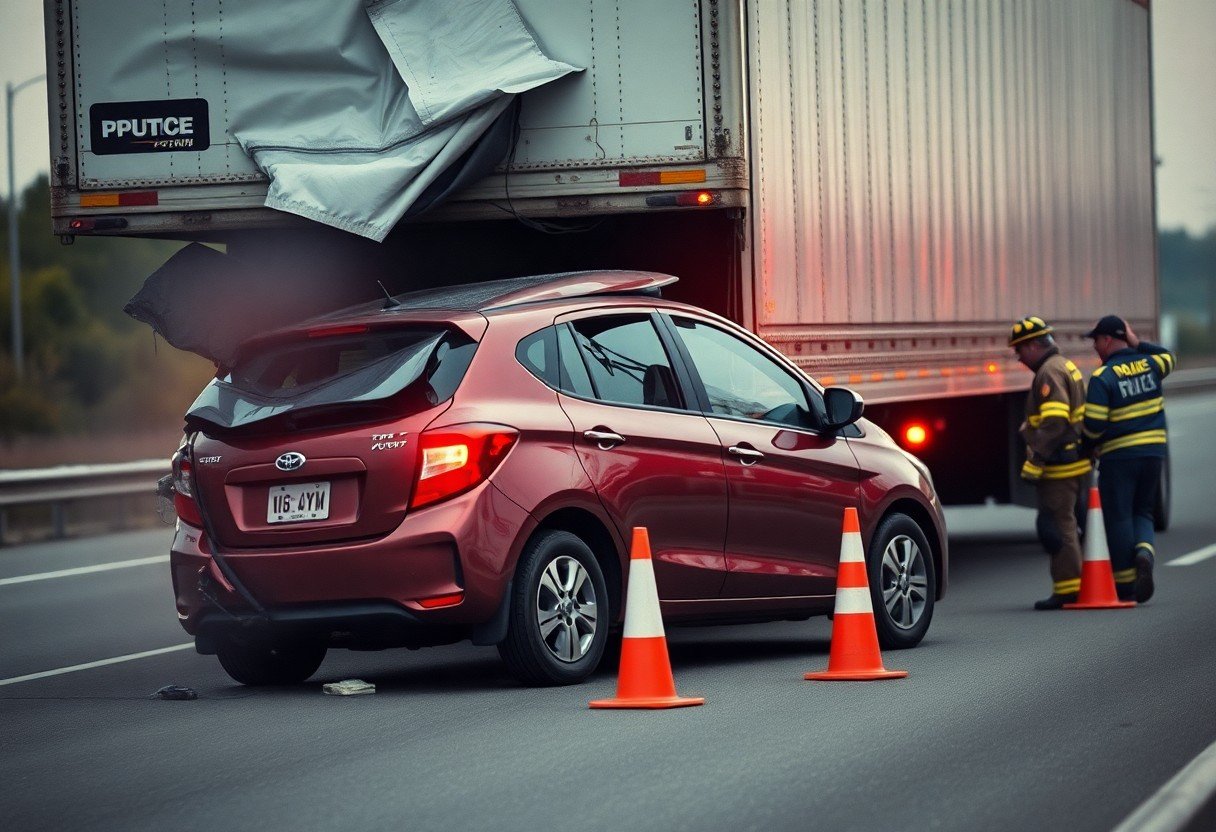
Most underride collisions occur when a smaller vehicle slides beneath a truck or trailer, leaving little crush space and subjecting you to catastrophic intrusion and rapid deceleration; your survival space and restraint systems are often bypassed, increasing risk of fatal head, chest, and spinal injuries. You need to understand how vehicle design, speed, and lack of protective barriers magnify harm so you can take safer actions on the road.
Key Takeaways:
- Underride happens when a car slides beneath a truck, allowing the truck to bypass the car’s crumple zones and intrude into the passenger compartment.
- Head and upper-torso injuries are common because airbags and seatbelts may not engage effectively when the occupant compartment is crushed.
- Moderate-speed impacts can be fatal since energy is concentrated on occupants rather than absorbed by vehicle deformation.
- Inadequate or failing underride guards and mismatched bumper heights significantly increase the risk of severe intrusion.
- Reducing risk requires stronger underride protection, improved truck visibility, and active safety systems like autonomous emergency braking and blind-spot detection.
Understanding Underride Accidents
You need to grasp how underride events differ from typical collisions: they occur when your vehicle slides beneath the body of a larger truck or trailer, producing concentrated intrusion into the occupant compartment. In urban and highway settings alike, even impacts at 25-40 mph can cause catastrophic head and chest injuries because the bumper and hood fail to absorb energy. Studies and crash reconstructions show that guard design, closure gaps, and relative vehicle heights determine whether you walk away or face life‑threatening trauma.
Definition of Underride Accidents
When your vehicle’s front end becomes trapped beneath the rear or side of a heavy truck or trailer, that defines an underride. You face extreme cabin intrusion because safety structures-bumpers, hoods, airbags-cannot work properly when the striking point is below the windshield. Emergency responders frequently report amputations and decapitation risks in severe underrides, and investigations often attribute outcomes to mismatch in heights and absent or inadequate underride guards.
- Occurs most often in rear-end or side-impact scenarios involving heavy trucks.
- Leads to disproportionate head and thoracic injuries compared with same-speed passenger-vehicle collisions.
- Perceiving higher risk during low-visibility conditions, night driving, and stop-and-go traffic increases your need for defensive spacing.
| Mechanism | Front of car passes under trailer deck, bypassing energy-absorbing structures |
| Common settings | Highways at dusk/dawn, intersections, congested urban arterials |
| Typical speeds | Often lethal even at 25-40 mph due to windshield-level intrusion |
| Typical injuries | Severe head trauma, thoracic crush, spinal injury |
| Mitigations | Rear underride guards, stronger trailer tails, active braking and spacing |
Types of Underride Collisions
You should distinguish at least three common types: rear underride when a passenger car hits the back of a trailer, side underride during intersection turns or lane changes, and partial underride where only the front corner intrudes beneath a trailer. Rear underrides account for a large share of fatal incidents; side underrides often involve turning trailers or parked rigs, and partial underrides can still produce catastrophic head and neck injuries.
- Rear underride: most frequent in highway rear-end crashes with tractor‑trailers.
- Side underride: common at intersections when trailers swing or when cars are squeezed at T-bones.
- Perceiving partial underride hazards-when only the corner intrudes-helps you anticipate nontraditional intrusion patterns and adjust position.
| Rear underride | Car impacts trailer rear; high fatality risk if guard absent or fails |
| Side underride | Occurs during turns or lane changes; occupant compartment intrusion on the side |
| Corner/partial underride | Front corner slides under trailer, causing asymmetrical intrusion |
| Low-speed underride | Stop‑and‑go or parking incidents can still produce severe head injuries |
| Overriding scenarios | When tall trailers intrude over smaller vehicle frames, increasing crushing forces |
You can better protect yourself by understanding how guard geometry, trailer clearance, and approach speed interact: for example, a rear underride into an 18-wheeler without a compliant guard at 35-45 mph often results in windshield intrusion, while side underrides at intersections frequently involve blind spots and sweeping trailer motions that negate typical evasive steering.
Statistics and Trends
You’ll find underride crashes are relatively uncommon as a share of all collisions but disproportionately deadly; estimates point to hundreds of U.S. fatalities each year and a high likelihood of severe intrusion when a passenger car contacts a truck’s lower structure. Recent regulatory pushes and stronger underride guards aim to lower those numbers, yet the data consistently show highway speed and poor visibility as primary drivers of fatal outcomes.
Frequency of Underride Accidents
Although underride events make up a small fraction of total crashes, you should note they produce a large share of truck-related deaths: many analyses report hundreds of fatalities annually in the U.S., with rear-impact underrides often occurring at speeds above 35 mph. Nighttime, highway travel and limited rear conspicuity significantly raise the frequency and severity of these collisions.
Demographic Impact and Trends
Data indicate you’re most at risk if you’re in a small passenger car, driving at night, or traveling on rural interstates; occupants tend to skew younger and male, and alcohol or distraction is frequently involved. Policy and design changes have started shifting trends, but exposure patterns-vehicle size, time of day, and highway speed-remain consistent predictors of victimization.
Drill-down studies show peak underride incidence between midnight and 5 a.m., higher rates on multi-lane rural highways, and a notable concentration among drivers aged roughly 20-45. You can trace declines in rear-guard fatalities in jurisdictions that adopted stronger standards, while places without modern retrofit programs still report persistently elevated injury and fatality rates among compact-car occupants.
Risk Factors Contributing to Underride Accidents
Multiple factors combine to raise your underride risk, from structural gaps to human error. You face higher danger when speed differentials exceed 30 mph, visibility is reduced, or a trailer lacks a compliant rear guard. Vehicle maintenance lapses and heavy loads that alter ride height also matter. Freight types like flatbeds or tankers change intrusion patterns. After you factor in reaction time and blind spots, the window to avoid a deadly underride can be under a second.
- Vehicle design and underride guard compliance
- Speed differentials between vehicles
- Poor visibility, lighting, or conspicuity
- Road conditions, weather, and construction zones
- Driver impairment, distraction, or inadequate following distance
- Maintenance issues and unusual cargo loads
Vehicle Design and Safety Features
Guard height, stiffness and bumper design determine how a striking vehicle interlocks with a trailer; federal standards set rear guard lower-edge limits near 22 inches for many trailers, so noncompliant or damaged guards leave you exposed. Aerodynamic skirts, reflectors and conspicuity tape improve detection at night, while gap size between tractor and trailer affects underride geometry. Retrofit rear and side guards can reduce intrusion, yet adoption varies widely across fleets and trailer types.
Driver Behavior and Road Conditions
You often confront underride risk when drivers speed, are impaired, or misjudge stopping distances; speeding correlates with about 26% of traffic fatalities and alcohol-impaired driving with roughly 30%, magnifying consequences in rear-end scenarios. Nighttime, rain and glare cut detection distance, and narrow shoulders or construction zones limit evasive options. After you underestimate a truck’s blind spot or follow too closely, an unanticipated braking event can turn a survivable crash into an underride catastrophe.
Tailgating and abrupt lane changes are frequent precursors; you should aim for at least a three-second following interval in good conditions because under two seconds your reaction window collapses. Commercial rigs need substantially longer braking distances and have large no‑zones alongside and behind, so merges or sudden lane shifts at highway speeds above 50-60 mph often leave no escape. After training programs, many fleets still report gaps in driver situational awareness during low-light or adverse-weather runs.
Legal and Regulatory Considerations
Current Regulations on Truck Safety
Federal standards such as FMVSS 223 and 224 set minimum strength and attachment requirements for rear underride guards, and the FMCSA enforces vehicle maintenance and inspection rules in 49 CFR Parts 392 and 396. You should note that trailers above 10,000 pounds are generally subject to these requirements, while states sometimes adopt tighter rules or testing protocols that affect compliance and enforcement.
Legal Consequences for Underride Accidents
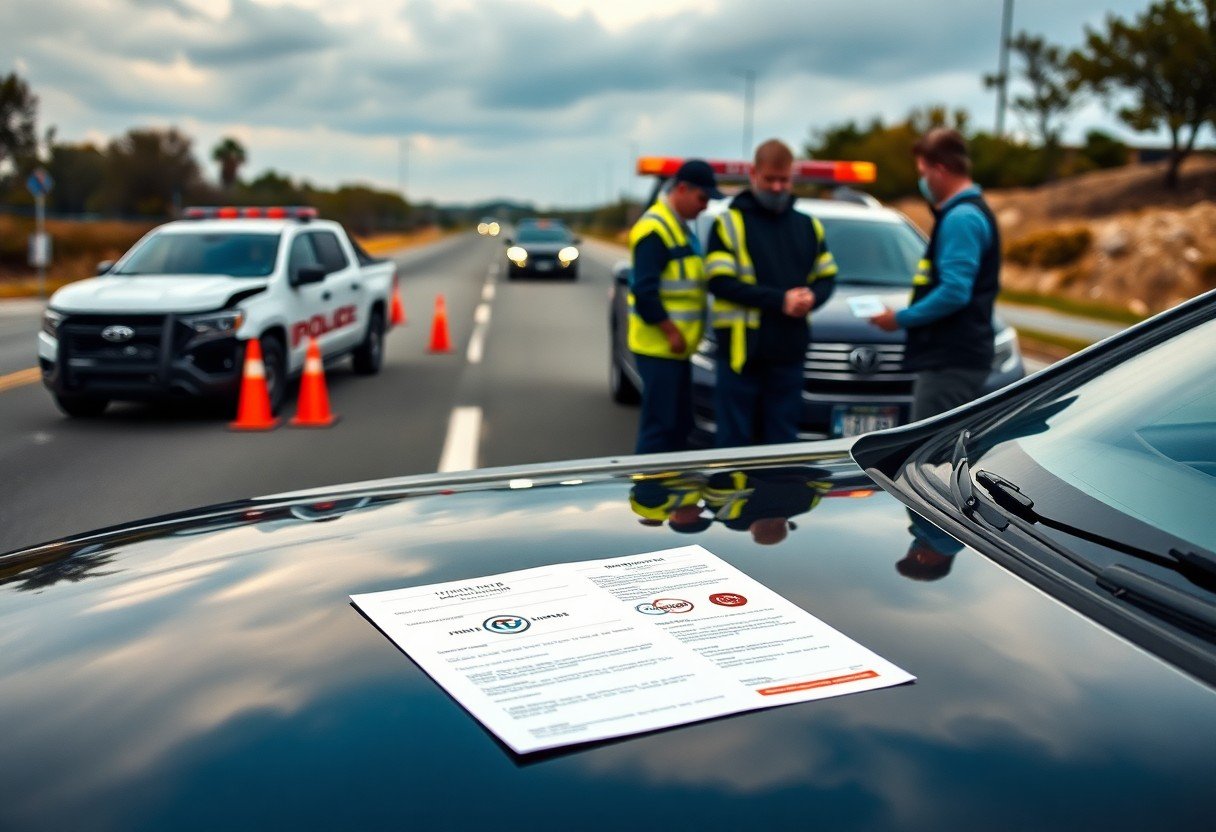
You can pursue wrongful-death or personal-injury claims against carriers, drivers, and manufacturers after an underride crash, seeking compensatory and sometimes punitive damages; product-liability suits often allege defective design or failure to warn. Statutes of limitations typically run 2-3 years depending on your state, and administrative actions by DOT can add fines or operational sanctions against the carrier.
If you’re a plaintiff, gathering inspection logs, maintenance records, FMVSS compliance data, and crash-scene photos strengthens your case, and expert testimony on guard performance is common; manufacturers have faced multimillion-dollar verdicts where guards failed FMVSS performance expectations. On the defense side, carriers may be cited for violations that lead to civil penalties, DOT investigations, or loss of operating authority, while criminal charges (recklessness or gross negligence) can arise in the most severe fatalities.
Prevention Strategies
Prioritize a layered approach combining stronger hardware, smarter vehicle tech, strict inspection regimes, and targeted training; regulators and fleets are shifting test protocols to 30-35 mph impact scenarios and mandating conspicuity tape, side shields, and AEB for heavy trucks, so you should push for adoption of those standards, enforce regular inspections, and use telematics data to identify high-risk routes and driver behaviors before a crash occurs.
Enhancements in Truck Design
Upgrade rear underride guards to designs proven in 30-35 mph offset tests, add side underride panels like those mandated in parts of Europe, fit energy-absorbing bumpers and high-visibility conspicuity markings, and integrate sensors and AEB tuned for heavy vehicles so your rig can mitigate or avoid a collision rather than relying solely on occupant protection after impact.
Educating Drivers and Public Awareness
Require your drivers to complete targeted underride modules, blind-spot drills, and simulator sessions at least annually, while running public campaigns that teach other road users to never stop directly behind trailers and to pass with ample clearance; combining fleet training with community outreach reduces the behaviors that lead to underride moments.
Design your driver curriculum around real-world scenarios: include in-cab telematics review, hands-on pre-trip guard inspections, and 25-35 mph low-speed collision simulations that show how trailer geometry affects risk. For public outreach, use crash-test footage, bilingual materials, and hotspot enforcement in corridors where data shows repeated truck-car interactions, so your prevention efforts target the highest-yield interventions.
Case Studies and Survivorship
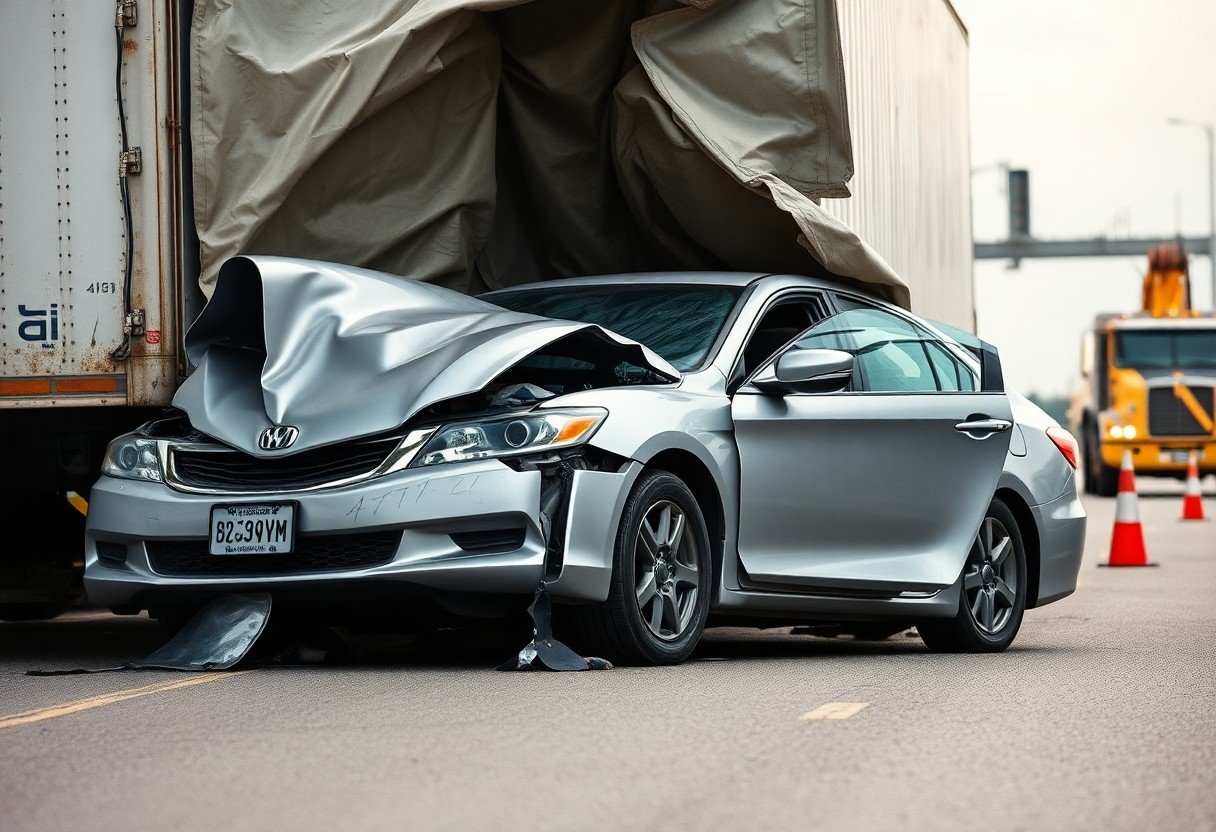
You can see patterns in outcomes when you compare real incidents: underride often yields immediate fatality or long-term disability, vehicles without effective rear guards produce higher intrusion, and legal actions frequently follow when maintenance or equipment failures are evident.
- Case 1 – 2016 interstate rear-underride: 2 fatalities at scene, 1 survivor with C4-C6 spinal injury; trailer lacked a compliant rear guard; driver cited for improper lighting; civil suit settled for $1.1M.
- Case 2 – 2018 rural highway multi-vehicle underride: 1 death, 3 serious injuries (including traumatic brain injury); post-crash inspection found a detached underride bar; trucking company fined $250,000 and retrofitted 120 trailers.
- Case 3 – 2020 night-time underride involving an RV: 0 fatalities but 2 survivors with long-term paralysis; absence of reflective conspicuity tape and ineffective rear guard cited; detailed analysis available in Why Truck Underride Accidents Are So Deadly.
- Case 4 – Fleet maintenance failure (2017 audit): 14 recorded underride incidents across one operator over 3 years; average repair backlog of 42 days per trailer; regulator imposed corrective action plan and $600,000 penalty.
- Case 5 – Manufacturer defect claim (2019): 1 fatality linked to underride guard detachment; forensic testing showed weld fatigue after 18 months of service; class-action settlement reported at $3.2M to affected families.
Notable Underride Accident Cases
You should study landmark cases where outcomes changed industry practice: a 2015 regional crash prompted updated rear-guard standards after 3 fatalities, a 2018 liability ruling held a carrier accountable for maintenance lapses, and a 2020 verdict emphasized trailer conspicuity-each produced measurable regulatory or design responses.
Survivors’ Stories and Insights
You often hear survivors describe life-altering injuries: one driver survived with low-cervical paralysis, another with severe TBI, and many report months in ICU followed by long rehabilitation and adaptive-home modifications.
You should expect to see recurring themes in survivors’ accounts: delays in diagnosis of internal injuries, lengthy litigation over liability and settlements, and rehabilitation timelines commonly exceeding 6-12 months with cumulative costs frequently surpassing six figures, which shapes how you approach prevention and post-crash advocacy.
Conclusion
Conclusively, underride accidents are so dangerous because your vehicle can slide beneath larger trucks, exposing you to catastrophic intrusion, severe crush injuries, and sudden deceleration that often proves fatal; to protect yourself, maintain safe following distances, stay out of blind spots, and advocate for stronger underride guards and vehicle safety standards.
FAQ
Q: What is an underride accident?
A: An underride accident occurs when a smaller vehicle slides under the rear, side or front of a larger truck or trailer during a collision. Instead of the passenger vehicle absorbing crash forces through its crumple zones, the truck’s trailer strikes higher on the car or the car becomes lodged beneath the trailer frame. Common scenarios include rear-end impacts with a stopped or slow-moving tractor-trailer, side impacts at intersections, and collisions with trailer tails or swing doors.
Q: Why do underride crashes cause such severe injuries and fatalities?
A: Underride crashes bypass the car’s safety structure, allowing rigid trailer fronts or undersides to intrude into the occupant compartment. This produces extreme compression of the cabin, direct trauma to the head, neck and chest, and catastrophic crushing injuries. Even at relatively low speeds, the vertical mismatch and lack of intrusion protection can lead to decapitation, massive brain or spinal injury, and rapid fatal internal bleeding because occupants’ heads and torsos are struck by the trailer’s hard structure rather than by energy-absorbing vehicle surfaces.
Q: Which factors increase the likelihood of an underride accident?
A: Increased risk stems from trailer ground clearance and absence or poor design of underride guards, poor visibility (night, fog, rain), distracted or impaired driving, sudden stops by trucks, tight following distances, highway merging and stopped vehicles in travel lanes. Passenger cars, SUVs and small trucks are particularly vulnerable because their front-end geometry often allows deeper underride. Older or noncompliant trailers and improper trailer rear-doors or loading configurations also raise risk.
Q: What vehicle and regulatory measures exist to prevent underride collisions?
A: Protective measures include rear and side underride guards designed to absorb and redirect crash forces, stronger rear impact bumper standards, improved trailer conspicuity (reflective tape and lighting), vehicle-to-vehicle collision-avoidance systems, and automated emergency braking on both trucks and passenger cars. Regulations vary by jurisdiction but typically mandate some form of rear underride protection and minimum strength requirements; ongoing updates aim to tighten guard strength, lower guard height, and extend coverage to trailer sides. Proper maintenance and correct installation are also vital for effectiveness.
Q: What can drivers do to reduce their risk and what steps should be taken after an underride collision?
A: To reduce risk, drivers should maintain a safe following distance, avoid driving in truck blind spots, increase caution at night and in bad weather, never stop directly behind large trailers in travel lanes, and be alert for slow or stopped commercial vehicles. After a collision, call emergency services immediately, avoid moving injured occupants unless necessary for safety, provide first aid if trained, document the scene with photos and witness information if possible, seek prompt medical evaluation (some injuries are not immediately apparent), preserve vehicle damage for inspection, and report the crash to authorities and insurers.