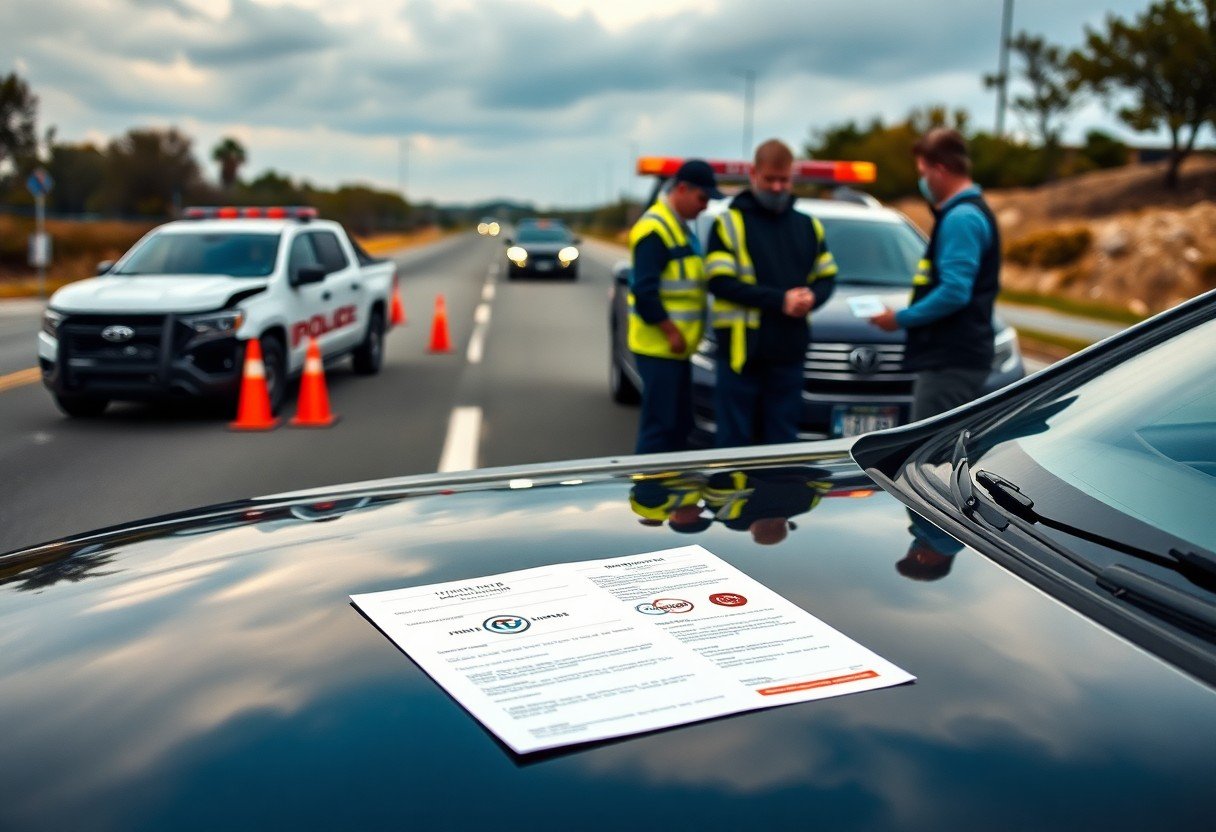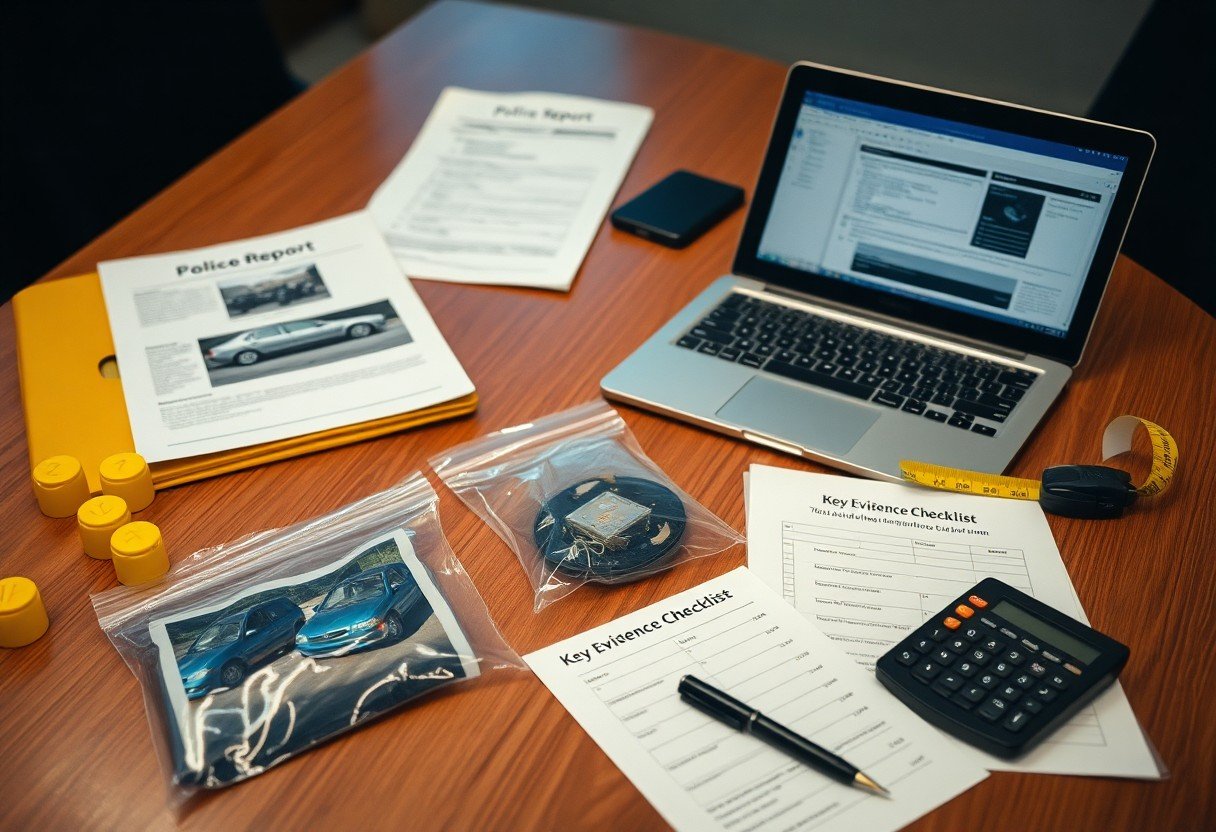
Over the aftermath of a fatal vehicle crash, you must secure and document evidence that establishes liability and damages: police and medical reports, witness statements, scene and vehicle photographs, surveillance and cell-phone data, maintenance and driving records, and expert analyses; preserving this evidence promptly protects your ability to pursue a wrongful death claim and strengthens your position during negotiation or trial.
Key Takeaways:
- Secure and preserve the crash scene: take time-stamped photos/videos, preserve vehicle positions and debris, and note weather/lighting conditions.
- Obtain official records: police crash reports, EMS records, hospital and autopsy reports, and death certificates for cause and timing of death.
- Collect electronic evidence: download event data recorder (EDR) information, vehicle telematics/GPS, traffic/surveillance camera footage, and relevant phone/location data.
- Document witnesses and chain of custody: get written witness statements with contact details and maintain documented custody for all physical and electronic evidence.
- Compile damages and expert support: gather wage records, funeral expenses, medical bills, and retain accident reconstruction and medical experts to link cause and liability.
Understanding Wrongful Death Claims
Definition and Legal Basis
You pursue a wrongful-death claim when negligence, recklessness, or intent causes a fatality, seeking compensation for medical bills, funeral costs, lost income, and loss of companionship. Statutes of limitations generally run 1-3 years (California 2 years, New York 2½ years). You must prove duty, breach, causation, and damages by a preponderance of the evidence; punitive damages may apply for gross misconduct. Your personal representative typically files the suit on behalf of entitled beneficiaries.
Common Factors in Vehicle Crashes
Most fatal vehicle crashes involve speeding, impaired driving, distraction, or intersection conflicts; NHTSA links speeding to over 30% of fatal crashes and alcohol to about 25%. You need to analyze police reports, EDR downloads, toxicology, and surveillance to show how those factors led to death. Seconds of inattention-3-5 seconds on a phone-can determine liability in reconstruction and witness timelines.
- Speeding and aggressive maneuvers, e.g., exceeding posted limits by 10-20 mph.
- Alcohol or drug impairment, often with BAC above 0.08% in fatal cases.
- The vehicle’s mechanical defects (brakes, tires, steering) documented by maintenance and inspection records.
You should prioritize EDR downloads, skid-mark analysis, and professional accident reconstruction; EDRs commonly record 5-10 seconds of pre-impact data including speed and brake application. Surveillance video and cellphone metadata provide time-stamped corroboration-many successful claims hinge on a 3-5 second distraction or a 1-2 second misjudgment at intersections, which account for roughly 40% of crashes. Use that precision to connect conduct to causation.
- Event data recorder (black box) downloads showing speed, throttle, and brake input.
- Toxicology and medical records revealing impairment or sudden medical events.
- The maintenance and inspection records for fleet or personal vehicles that reveal recurring faults or safety recalls.
Key Evidence for Wrongful Death Cases
Police reports, EDR (event data recorder) downloads, 911 transcripts, surveillance and dashcam footage, and medical documentation often form the core evidence you will use to prove fault and causation. You’ll examine timestamps, vehicle speeds, skid marks measured in feet, and witness statements for contradictions. Forensic reconstructions and expert testimony convert those raw data points into impact angles, delta-v values, and sequence-of-events timelines that juries understand.
Traffic Accident Reports
Officer crash reports (often Form SR‑1 or similar) contain the collision diagram, environmental conditions, cited violations, and officer observations; they frequently list measured skid distances in feet, posted speed limits, and whether the driver was cited for DUI. You’ll compare the officer’s narrative to 911 call times, traffic camera timestamps, and EDR speed data; inconsistencies between the diagram and photographic evidence often become pivotal in disputes over right‑of‑way or speed.
Medical Records and Autopsy Reports
Hospital charts, imaging (CT, MRI), operative and nursing notes document injuries, transfusions (units of blood), Glasgow Coma Scale scores, and vital signs trends you’ll use to show the physiological cause of death. Autopsy reports list the medical cause and manner of death, internal injury patterns, and toxicology results (e.g., BAC percentages, presence of opioids or benzodiazepines); those findings tie the traumatic event to the fatal outcome in legal causation analyses.
Dig deeper into autopsy methodology: toxicology should note specimen type (femoral vs. heart blood) and concentrations, histology can reveal evolving complications like fat embolism or pulmonary thromboembolism, and PMCT scans document fracture patterns. You’ll also scrutinize ISS/AIS scores (ISS>15 indicates major trauma), time from injury to death, and any gaps between ante‑mortem hospital findings and postmortem conclusions to identify delayed surgical complications or missed diagnoses.
Importance of Eyewitness Testimonies
When witnesses place vehicles, speeds, or actions at the scene, you gain context that physical evidence alone may not show; gather contact details and immediate accounts within 24-48 hours before memory fades. Combine those statements with video and photos listed on the Car Accident Evidence Checklist to strengthen causation and timing in a wrongful death claim.
Securing Witness Statements
Start by obtaining full name, phone, email, and a concise written or recorded account signed and dated; ask open-ended questions about what they saw, where they stood, lighting, and time. You should avoid leading questions, note whether they viewed video, and secure at least two independent statements within the first week to prevent memory drift or recantation during discovery.
Legal Implications of Eyewitness Accounts
Because courts scrutinize credibility, you must preserve statements that may qualify under hearsay exceptions (present sense impression, excited utterance) and prepare for depositions using recorded testimony. Statutes of limitations for wrongful death often run 2-3 years in many states, so timely preservation and affidavit gathering can make the difference between admissible evidence and lost testimony.
Courts evaluate eyewitness reliability by consistency, sensory opportunity (distance, lighting), and corroboration with physical evidence like skid marks or vehicle telematics; for example, a witness 10-20 feet from impact in daylight is far more persuasive than one across a busy intersection at night. You should document vantage points, medical or intoxicant observations, and secure signed affidavits or recorded statements early-expert testimony on memory and suggestibility is commonly used to explain discrepancies at trial.
Collecting Physical Evidence
Vehicle Damage Analysis
Measure crush depths, deformation patterns, and component separation to quantify energy transfer; use the skid-distance estimate v = √(30·d·f) (v in mph, d in feet, f friction) where applicable to cross-check speeds. Retrieve EDR data for pre-impact speed, brake input, and delta-v timestamps-many modules store several seconds of pre-crash data-and compare damage to manufacturer crush zones to pinpoint initial contact and collision dynamics.
Site Examination and Photographs
Photograph the scene systematically: start with wide overviews, then mid-range shots, and finish with close-ups-shoot at least 3-5 images per evidence item and include a measurable scale in close-ups. Measure skid marks, gouges, and debris-field length (for example, a 120-foot debris trail signals high-energy impact), log road surface, weather, and lighting, and place numbered evidence markers to preserve spatial context for reconstruction.
Use a total station or LiDAR for a scale-accurate site map and capture 360° panoramas, GPS coordinates, and compass headings for key points. Save RAW plus high-resolution JPEG files, make at least two backups, and retain EXIF metadata. Maintain a chain-of-custody log with image ID, location, time, and photographer name so your visual record remains admissible and traceable.
Role of Expert Testimony
Expert witnesses translate technical data into the legal elements you must prove, testifying on causation, mechanism of injury, survivability, and damages. They’ll interpret EDR downloads, CCTV frame rates, vehicle inspections, and medical records; EDRs often narrow pre‑impact speed to within 1-5 mph and record the last 5-15 seconds. Jurors respond to demonstrative animations and timeline reconstructions you use to show exactly what happened.
Accident Reconstruction Experts
Reconstructionists combine skid‑mark measurements, crush profiling, EDR outputs, and 30‑fps video analysis to estimate speeds, impact angles, and trajectories; you can match brake application to fractions of a second. They use PC‑Crash or HVE, photogrammetry from drone imagery, and controlled field tests-such as on‑site braking trials-to validate models and produce scaled animations and charts for the jury.
Medical and Safety Experts
For medical and safety testimony you’ll retain forensic pathologists, trauma surgeons, biomechanical engineers, and human‑factors specialists. Pathologists assign immediate and proximate cause, surgeons assess survivability windows, and biomechanical experts link forces to injuries. Safety engineers cite FMVSS standards and recall data-Takata inflators affected tens of millions-and belt studies showing roughly a 45% reduction in fatal risk for front‑seat occupants.
Pathology reports should specify cause, mechanism (e.g., blunt‑force deceleration), and estimated time to death; you’ll use toxicology and histology to exclude comorbid contributors. Biomechanical testimony references AIS injury scores and crash test dummy metrics to tie acceleration pulses to specific injuries. EMS benchmarks (median urban response often 6-8 minutes) and documented transport times can substantiate claims about lost opportunities for life‑saving interventions.
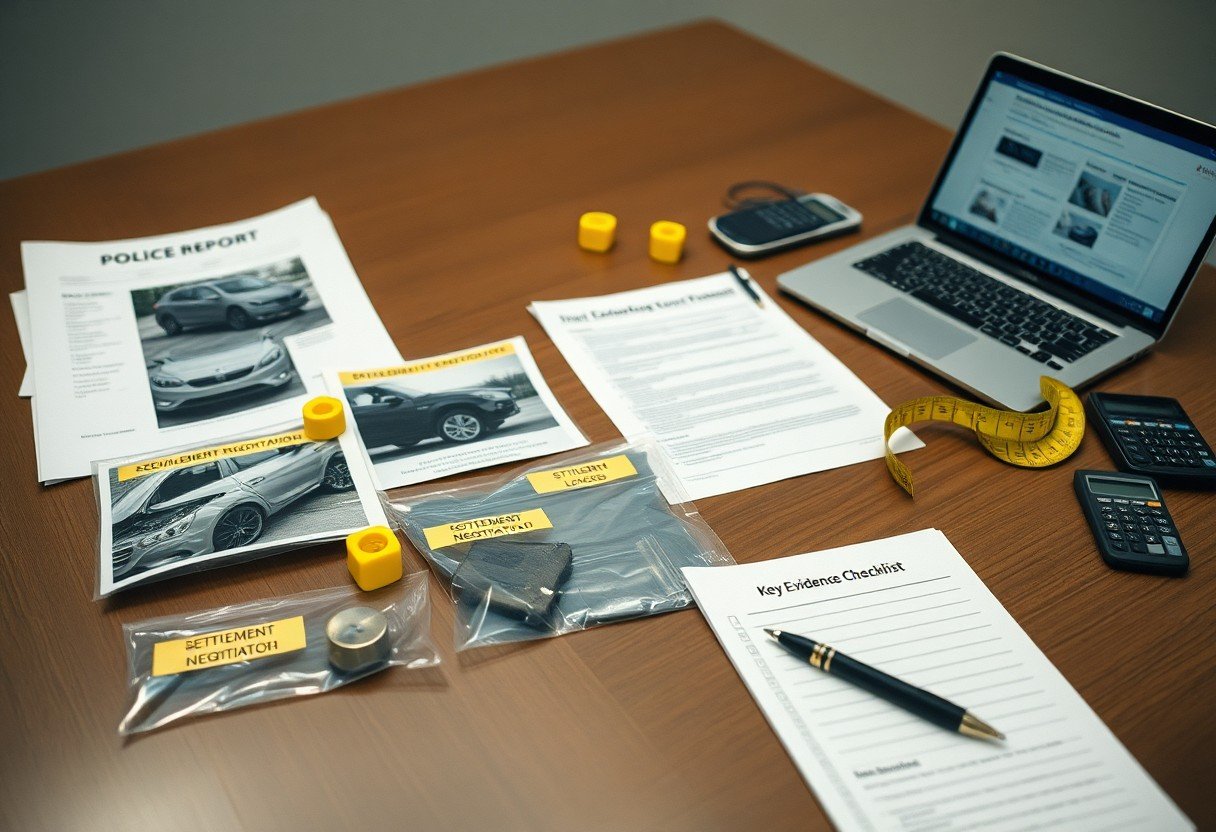
Navigating Insurance and Settlement Negotiations
When you engage insurers, expect adjusters to evaluate liability, damages, and policy limits quickly; presenting a clear demand package with medical records, wage statements, the police report, and photos sharply improves outcomes. You should track deadlines, preserve key evidence, and push for timely responses – insurers often respond within weeks – while documenting every contact. Use objective valuations (bills, expert reports) and quantify lost income and funeral expenses to anchor negotiations.
Understanding Insurance Policies
You must read the declarations page to confirm liability limits, UM/UIM coverage, PIP/medical-payments, and effective dates; many policies list limits as per-person/per-accident figures (for example, $25,000/$50,000/$25,000), and umbrella policies can add excess coverage. Pay attention to exclusions, consent-to-settle clauses, and whether limits are stacked across vehicles – that affects how much recovery is realistically available from each insurer.
Settlement Considerations
Value hinges on economic losses (medical bills, lost wages, funeral costs) and non-economic damages (loss of companionship); medical expenses above $100,000 or permanent disability often push settlements toward six figures. You should weigh an insurer’s offer against litigation odds, attorney contingency fees (commonly 33-40%), projected trial awards, and timing: a structured settlement versus lump sum changes long-term security and tax treatment for you.
Also prepare for liens and subrogation – Medicare, Medicaid, and private insurers can assert repayment claims that may consume 10-50% of a gross recovery unless negotiated down. You increase leverage by submitting a complete demand (records, itemized bills, expert opinions) and by quantifying future losses with actuarial or vocational experts; documenting these specifics frequently shifts negotiations in your favor. Statutes of limitation (typically 1-3 years) and release language require careful review before you accept any offer.
Conclusion
Hence you must promptly secure and preserve all evidence: photos of the scene and vehicle damage, accident and medical records, the autopsy and toxicology reports, vehicle event data recorder downloads, witness statements and contact information, and the official police report. Timely expert analysis, chain-of-custody documentation, and clear communication with your attorney will strengthen your case and protect your rights.
FAQ
Q: What immediate evidence should be collected at the crash scene?
A: Photograph and video the entire scene from multiple angles (vehicle positions, damage, skid marks, debris, traffic signs, signals, lane markings, curb, guardrails, lighting, weather, and road surface). Capture close-ups of license plates, VINs, airbags, tire tread, and any visible injuries or clothing. Record exact date, time, GPS coordinates or cross-streets, and prevailing weather/lighting conditions. Note vehicle orientations before any towing, preserve physical debris if possible, and get dashcam or bystander videos with timestamps.
Q: What documentation and official reports should be obtained?
A: Obtain the police/traffic crash report, incident numbers, names and badge numbers of responding officers, EMS run sheets, fire/rescue reports, towing and storage receipts, and photographs taken by first responders. Collect insurance information, driver licenses, registration, and citations issued. If available, secure traffic camera, red-light camera, or nearby business CCTV footage and request official retention or preservation of those recordings immediately.
Q: Which medical and forensic records are necessary for a wrongful death claim?
A: Secure emergency department records, hospital charts, surgical reports, imaging studies (X-rays, CT, MRI), nursing notes, medication and treatment logs, and billing records that document care and timing. Obtain the autopsy report, cause and manner of death, forensic pathology findings, and toxicology results. Preserve photographs of injuries and clothing, and compile prior medical history to distinguish preexisting conditions from crash-related injuries.
Q: What vehicle and electronic data should be preserved and how can it be retrieved?
A: Preserve event data recorder (EDR)/black box data, airbag control module downloads, ABS and stability control logs, infotainment/GPS navigation logs, telematics/connected-vehicle data, and dashcam or aftermarket cameras. Preserve cellphone and Bluetooth connection records, data from fleet or third-party telematics, and vehicle maintenance/repair history. Issue written preservation (spoliation) requests to vehicle owners, manufacturers, insurers, and witnesses; contact qualified forensic examiners to download volatile data before repairs or airbag resets.
Q: How should evidence be preserved and documented to withstand legal scrutiny?
A: Establish chain of custody for every item: log who found, collected, transported, and stored each piece of evidence with dates, times, and signatures. Avoid repairing or altering vehicles, clothing, or damaged items until inspected by experts. Send timely preservation letters to defendants, insurers, and entities holding video or telemetry. Photograph and inventory items prior to movement, retain originals and create verified copies of electronic files, and document all communications and requests for evidence to prevent spoliation and support admissibility in court.