Many people feel overwhelmed by symptom tracking, yet you can keep it simple by logging daily pain intensity, location, timing, triggers, and what helps, using a short note or app for clear patterns.
Key Takeaways:
- Use one simple method-paper log, phone note, or a single app-and record consistently.
- Rate pain on a 0-10 scale and note intensity each time you record symptoms.
- Note date, time, activity, location, medications, and any triggers or relief measures.
- Track weekly trends to identify patterns in frequency, duration, and treatment response.
- Share a short summary or chart with your clinician to guide treatment decisions.
Selecting the Optimal Tracking Method
Choose a tracking method that fits your routine and appetite for detail so you stick with it; prioritize consistency over complexity so you can spot meaningful patterns and share clear summaries with your clinician.
Digital Applications and Wearable Integration
Install a simple app and pair it with a wearable to capture steps, sleep, and pain ratings automatically; you can set minimal prompts, review trends, and export concise reports for appointments.
The Efficacy of Traditional Paper Journals
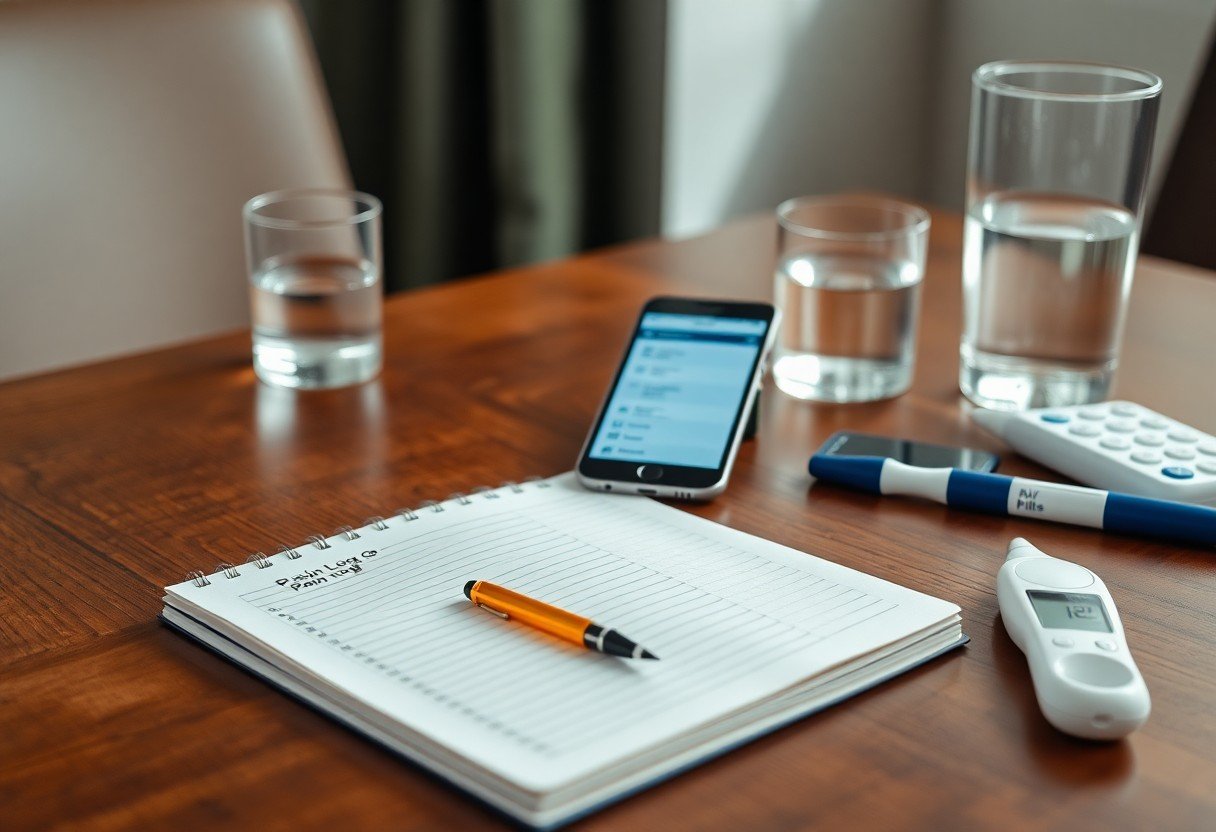
Prefer a paper journal when you want quick, private entries; use a one-line template recording time, pain level, and a short trigger note you can glance at later.
Keep entries consistent by using shorthand codes and a simple 0-10 scale, plus a one-word trigger tag. You can add weekly summaries to spot trends, bring pages to appointments, and photograph entries for backup. Simple indexes and dated tabs help you find patterns without extra tech or troubleshooting.
Identifying Core Symptom Metrics
Pick a short list-pain intensity, location, duration, interference, medication use-and record them when symptoms shift so you keep entries quick and consistent.
Quantifying Pain Intensity and Quality
Use a 0-10 scale for intensity, add one-word quality tags (sharp, throbbing, burning), and note whether pain is constant or intermittent so you can spot trends.
Correlating Environmental and Lifestyle Triggers
Log context-sleep, meals, stress, activity, weather-alongside symptoms so you can later test which factors commonly precede your flares.
Track timestamps and brief notes for each entry so you can align symptoms with specific exposures or behaviors. Use checkboxes for common triggers to minimize typing and reserve a short free-text line for unusual events. After two to four weeks, review patterns and change one variable at a time to see whether your symptoms improve, helping you identify manageable triggers.
Strategies for Consistent Documentation
Track core details each time: pain level, location, triggers and sleep, using simple fields and one-line notes; you can use apps-see No gain without pain: using pain tracking mobile Apps – PMC-but only if they fit your routine.
Implementing Time-Based Logging Habits
Set scheduled prompts-morning, midday, evening-so you record pain briefly and spot patterns without overworking your notes.
Utilizing Minimalist Checklists and Scales
Choose a 1-5 pain scale plus two quick checkboxes (location, trigger) so you can log fast entries that reveal useful trends for your clinician.
Balance simplicity and detail by keeping core items: intensity (1-5), location, onset, and one brief note about activity or relief. You can pre-fill defaults, use icons instead of text, and export summaries for appointments so your clinician sees clear patterns without adding extra effort to your routine.
Avoiding Data Fatigue and Over-Documentation
Simplicity keeps tracking sustainable: limit entries to what informs treatment and skip minutiae that drain your energy.
Prioritizing Quality Over Quantity
Focus on meaningful signals: record intensity, triggers, and one quick note on how they affect you, not every minor fluctuation.
Distinguishing Between Noise and Actionable Data
Identify patterns that change how you manage symptoms: ignore rare blips but track trends that persist for days or follow predictable triggers.
Compare recent entries against your usual baseline, noting frequency, timing, and severity; use those patterns to decide whether to try a self-care tweak, adjust medication with your clinician, or simply monitor further.
Analyzing Patterns for Clinical Utility
Track simple metrics-date, pain score, duration, and likely triggers-so you can spot changes that influence treatment; keep entries brief to maintain consistent, actionable records for clinical review.
Recognizing Cyclical and Episodic Trends
Chart timing and frequency of flares against sleep, activity, and medication to reveal cycles or isolated episodes so you can predict and mitigate recurring patterns.
Preparing Data for Specialist Consultations
Organize concise timelines, peak severity, and responses to treatments so specialists can quickly assess trends and recommend focused next steps.
Compile a one-page summary plus raw logs: dates and times, pain scores, triggers, medication names and doses, response within hours or days, and any relevant photos or device readings. Flag the most consistent entries, note recent changes in sleep or stress, and state your main concern and goals for the consult so the specialist can prioritize tests or treatment adjustments efficiently.
Conclusion
You can track pain and symptoms effectively with a short daily log, simple numeric ratings, brief notes on triggers and relief, and weekly reviews; consistent, focused entries reveal patterns you and your clinician can use to adjust care without overcomplicating tracking.
FAQ
Q: What counts as “simple” pain and symptom tracking?
A: Simple tracking focuses on a few consistent details: a 0-10 pain score, location, time, one short note about activity or trigger, and any medication taken. Keep entries brief so you stay consistent over days or weeks.
Q: What exactly should I record each time?
A: Record pain intensity, location, start time, duration if brief, what you were doing, and any meds or treatments and their effect. A one-line mood or sleep note adds useful context without adding complexity.
Q: How often should I log symptoms without making it a burden?
A: Log once daily and after major changes or flare-ups to capture patterns while avoiding constant monitoring. Use set times like morning and evening, or log only when pain changes by two points or when a new symptom appears.
Q: Which tools work best for low-effort tracking?
A: Use a small paper notebook, a simple notes app, or a dedicated symptom tracker that offers templates and export options. Voice notes or quick form apps with one-tap entries reduce friction when you’re in pain.
Q: How do I share my records with a clinician so they are useful?
A: Summarize two weeks of entries, highlight frequent triggers, worst days, and medication responses, and export or print the log for the appointment. Offer a one-page summary with averages and a few representative days to make review quick for your clinician.