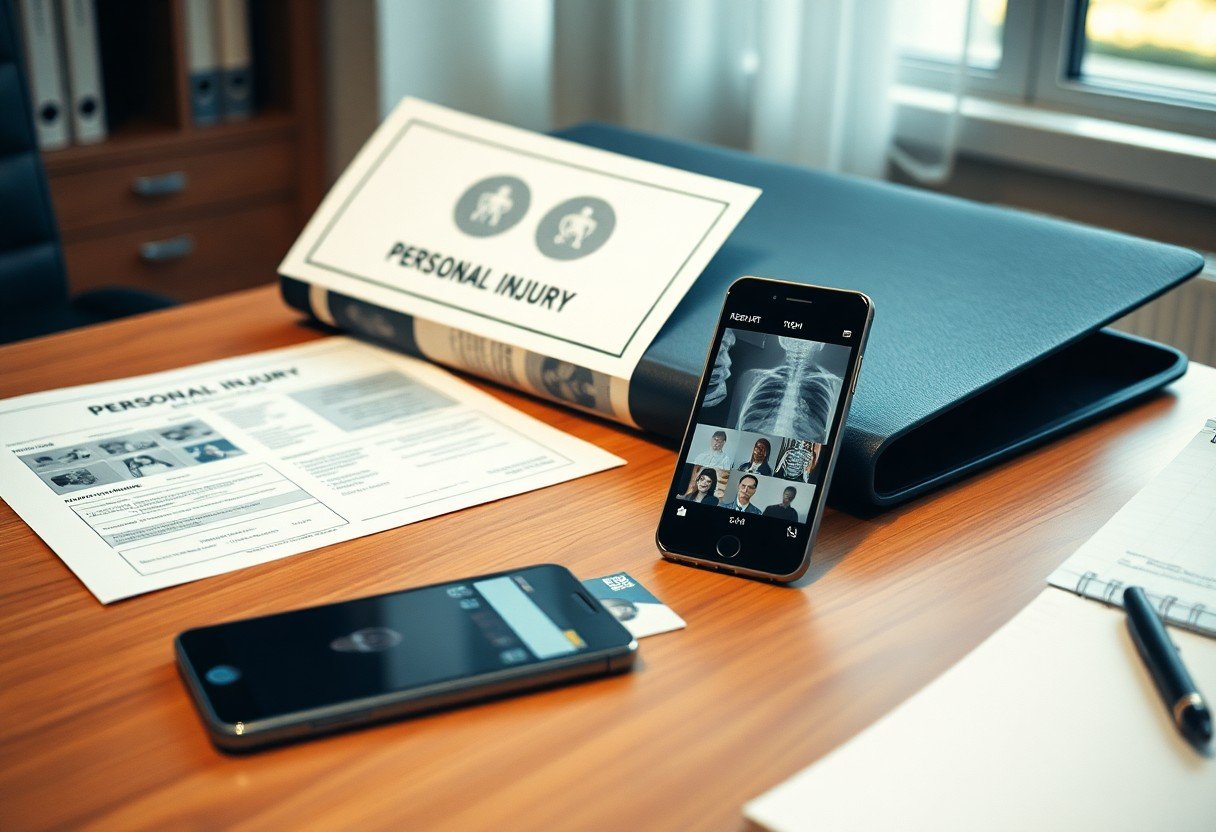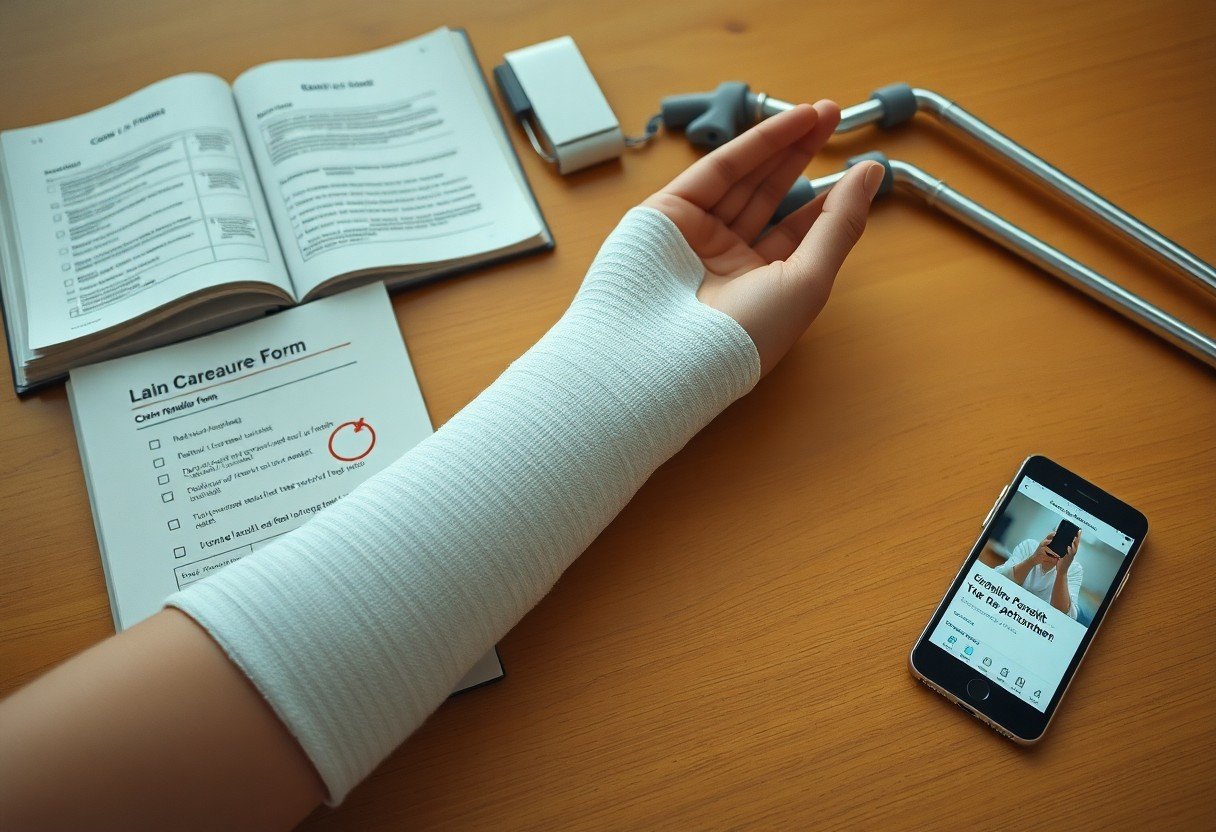
Most injury cases require clear records; you should document medical treatments, daily care needs, assistive devices, therapy schedules, and future prognosis, using dated medical notes, photos, caregiver logs, and professional assessments to support care planning and any claims.
Key Takeaways:
- Medical records and specialist assessments: collect emergency notes, imaging, surgery reports, and written prognoses estimating deficits, recovery timeline, therapy needs, and potential long-term complications.
- Functional needs and daily living: document current and projected limitations in ADLs and IADLs, specify frequency and duration of assistance, and set measurable milestones for improvement.
- Care plan and services: list recommended therapies, home health visits, assistive devices, and home modifications with recommended vendors and timelines.
- Costs and insurance projections: obtain written estimates for medical care, therapy, equipment, home changes, and long-term care; include insurer pre-approvals and out-of-pocket breakdowns.
- Legal and support documentation: keep photos, incident reports, receipts, caregiver statements, advance directives or power of attorney documents, and regular provider updates to support future planning or claims.
The Role of a Comprehensive Life Care Plan
A comprehensive life care plan outlines long-term medical, rehabilitation, and support needs after injury, helping you estimate costs and care timelines for legal or personal decisions.
Defining the Scope of Future Medical Needs
You should list current and projected diagnoses, therapies, surgeries, assistive devices, home modifications, and expected frequency of care to quantify needs and costs.
Qualifications of Certified Life Care Planners
Certified life care planners review your records, coordinate experts, and produce defensible plans based on clinical and cost projections.
When assessing a planner, verify formal certification, relevant clinical or rehabilitation experience, publication or teaching history, and prior expert testimony so your planner can support recommendations, create accurate cost estimates, and collaborate with specialists for ongoing care planning.
Medical Documentation and Expert Testimony
Medical records you compile, paired with expert testimony, make your case for future care clearer; consult How Do You Prove Future Medical Costs in a Personal … for guidance.
Securing Long-Term Prognosis from Specialists
Ask your specialists for a written long-term prognosis that outlines expected treatments, timelines, functional limits, and estimated costs so you can document projected care needs.
Utilizing Diagnostic Imaging and Functional Capacity Evaluations
Imaging and functional tests you obtain provide objective evidence of impairments, projected limitations, and likely treatment paths to support future-care claims.
Detailed imaging reports-MRI, CT, and ultrasound-combined with functional capacity evaluations (FCEs) quantify tissue damage, range-of-motion deficits, and endurance limits; you should secure dated copies, specialist interpretations, and comparative studies to substantiate life-care plans and expert testimony about long-term medical costs.
Identifying Anticipated Medical and Rehabilitation Costs
Estimate upcoming bills by listing known treatments, likely procedures, durable equipment, and hospitalization days; attach average costs and insurer coverage details so you can present a clear financial picture for planners and legal counsel.
Projecting Expenses for Future Surgeries and Medications
Calculate likely surgical needs and medication regimens with input from specialists; include pre-op testing, post-op complications probability, and brand versus generic drug costs so you can set realistic funding expectations.
Accounting for Ongoing Physical and Occupational Therapy
Plan recurring therapy by recording session frequency, therapist rates, expected progress timelines, and assistive device trials so you can estimate long-term outlays and collect supporting invoices.
Track therapy progress with objective metrics, copies of session notes, and therapist treatment plans; include changes in mobility, pain scores, and ADL independence. Include projected duration, frequency reductions, equipment prescriptions, and expected caregiver hours so you can quantify ongoing needs for insurers, care coordinators, or legal documentation. Document denials and appeals to support future claims.
Assessing Home Modifications and Assistive Technology
You should list needed home adaptations and assistive devices, estimate costs and timelines, and note who will install or fund each item to guide ongoing care planning.
Structural Changes for Accessibility and Mobility
Assess your paths, thresholds, and bathroom layout to decide ramps, widened doorways, and grab bars that enhance accessibility and mobility within your home.
Procurement and Maintenance of Durable Medical Equipment
Budget for durable medical equipment purchases, rentals, batteries, and scheduled servicing so you avoid downtime and unexpected costs.
Document serial numbers, warranties, repair contacts, and maintenance schedules in a single file so you can track recalls, order replacement parts, and arrange repairs quickly when needs change.
Quantifying Non-Medical Support and Caregiving
Estimate the time, frequency, and cost of non-medical care by logging daily caregiving tasks, hours, travel, supplies, and payments; use receipts and caregiver timesheets to support claims and planning.
Evaluating the Need for In-Home Nursing or Aide Assistance
Assess whether you require licensed in-home nursing or an aide by comparing required medical tasks-wound care, injections, monitoring-to caregiver skills; include physician orders, home health evaluations, and anticipated visit schedules in your documentation.
Documenting the Impact on Activities of Daily Living (ADLs)
Record how much help you need with bathing, dressing, toileting, eating, transferring, and mobility; note assistance level, frequency, dates, and who provided help to create a clear ADL timeline.
Detail ADL changes using standardized measures (Katz, Barthel) and plain-language notes: describe independence, supervision versus hands-on help, time per task, adaptive equipment used, and barriers like pain or fatigue; attach clinician assessments, caregiver statements, timestamps, and photos to demonstrate functional decline or improvement for planning and claims.
Economic Projections and Inflation Adjustments
Inflation projections help you estimate future care costs, adjusting for purchasing power and expected price increases; include conservative and high scenarios to cover uncertainty.
Calculating the Present Value of Future Care
Discounting future expenses converts projected care costs into today’s dollars so you can compare options and set funding targets using a reasonable discount rate.
Addressing Rising Healthcare Costs and Life Expectancy
Healthcare inflation and longer life expectancies require you to model higher annual cost increases and extended care durations to avoid underestimating lifetime needs.
Plan several scenarios with varying healthcare inflation rates, longevity assumptions, and service intensity; you should stress-test budgets against high-cost and extended-living cases, factor in insurance coverage limits and expected out-of-pocket trends, and review projections annually with a financial or medical-claims expert.
To wrap up
To wrap up, you should compile medical records, document functional limitations, obtain professional care projections and cost estimates, create advance directives, and distribute copies to providers, insurers, and trusted contacts to ensure coordinated ongoing care.
FAQ
Q: What does “documenting future care needs” mean after an injury?
A: Documenting future care needs means creating a clear, dated record that outlines the medical, functional, personal, and financial supports an injured person will require going forward. The record typically includes diagnoses and prognoses from treating clinicians, functional assessments of activities of daily living (ADLs) and instrumental ADLs (IADLs), projected hours and types of paid and unpaid care, durable medical equipment and home modifications required, medication and therapy plans, and estimated costs and timelines for recovery or long-term care.
Q: Who should participate in preparing this documentation?
A: The injured person or their legal representative should lead the process with input from primary care physicians, treating specialists, physical and occupational therapists, social workers or case managers, and any hired care providers. A rehabilitation physician or nurse case manager can provide standardized functional assessments and prognostic statements. An attorney experienced in personal injury or disability can advise on legal wording and evidence needed for claims. Family members or informal caregivers should contribute daily care observations and schedules.
Q: How do you assess and quantify future care needs accurately?
A: Use objective functional assessment tools such as the Functional Independence Measure (FIM), Barthel Index, or standardized home safety evaluations to quantify limitations in mobility, self-care, cognition, and communication. Request written prognoses from treating clinicians that estimate likely recovery timelines and permanent limitations. Track current hours of care, split by task (bathing, dressing, transfers, medication management, supervision), and project future hours based on clinician recommendations and therapist progress notes. Obtain professional cost estimates for paid caregiving, equipment vendors, and contractors for home modifications to convert functional needs into dollar amounts.
Q: Which documents and types of evidence strengthen claims about future care needs?
A: Include complete medical records, operative and hospital discharge summaries, therapy and rehabilitation notes, medication lists, diagnostic imaging reports, and treating clinicians’ prognostic letters. Add functional assessment reports, home safety or ADL evaluations, caregiver time logs or diaries, photographs or video demonstrating deficits and the home environment, receipts and quotes for equipment or modifications, employment and wage-loss documentation, and any expert witness reports or independent medical examinations. Organize evidence chronologically and label items so reviewers can match assessments to dates of care and treatment milestones.
Q: What is the best way to store, update, and share future care documentation?
A: Keep a master file both in secure digital form and as a printed binder with a clear index and dated entries. Use PDF scans of all medical records, receipts, and letters, and back up files to encrypted cloud storage plus an external hard drive. Schedule regular reviews every three to six months or after major treatment changes to update prognoses, therapy progress, and cost estimates. Share controlled access copies with the treating team, legal counsel, case manager, and designated family members while protecting sensitive information with passwords and permission settings. Obtain signed statements from clinicians and caregivers when possible to confirm ongoing needs and hours of care.