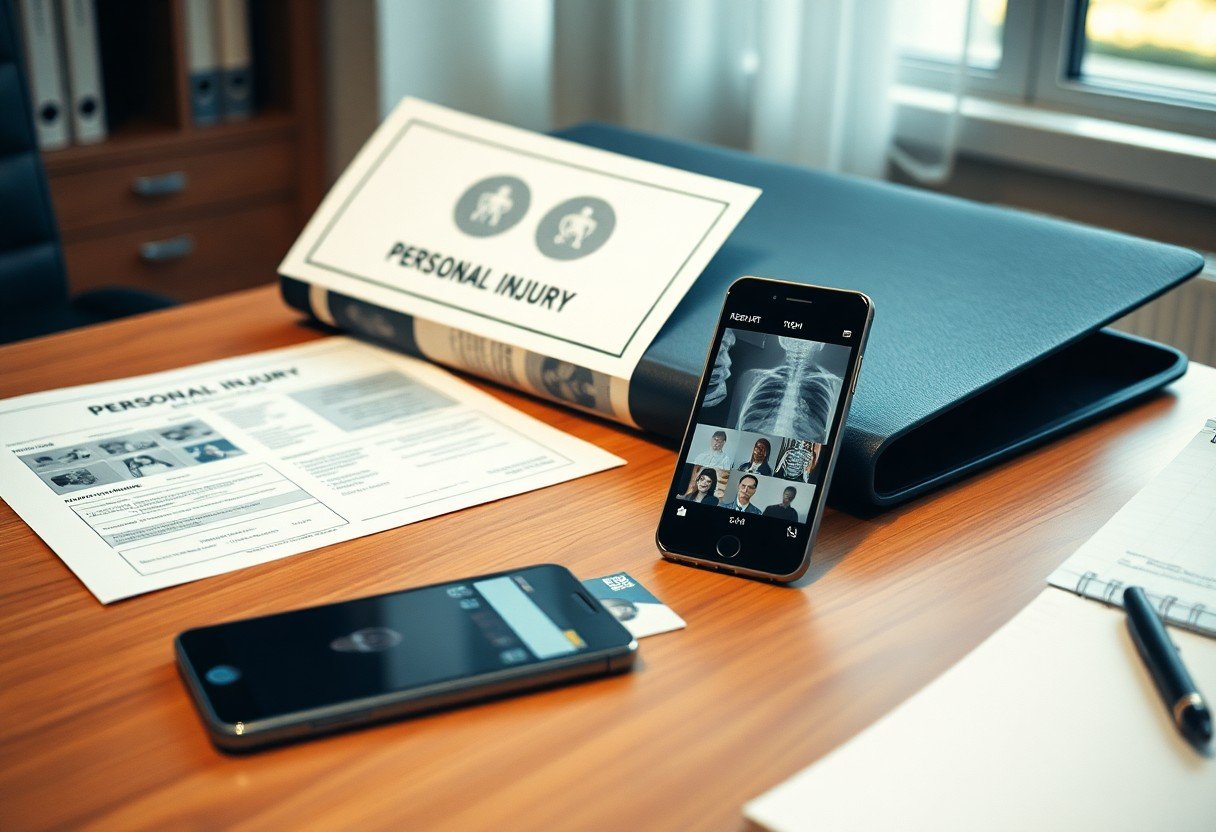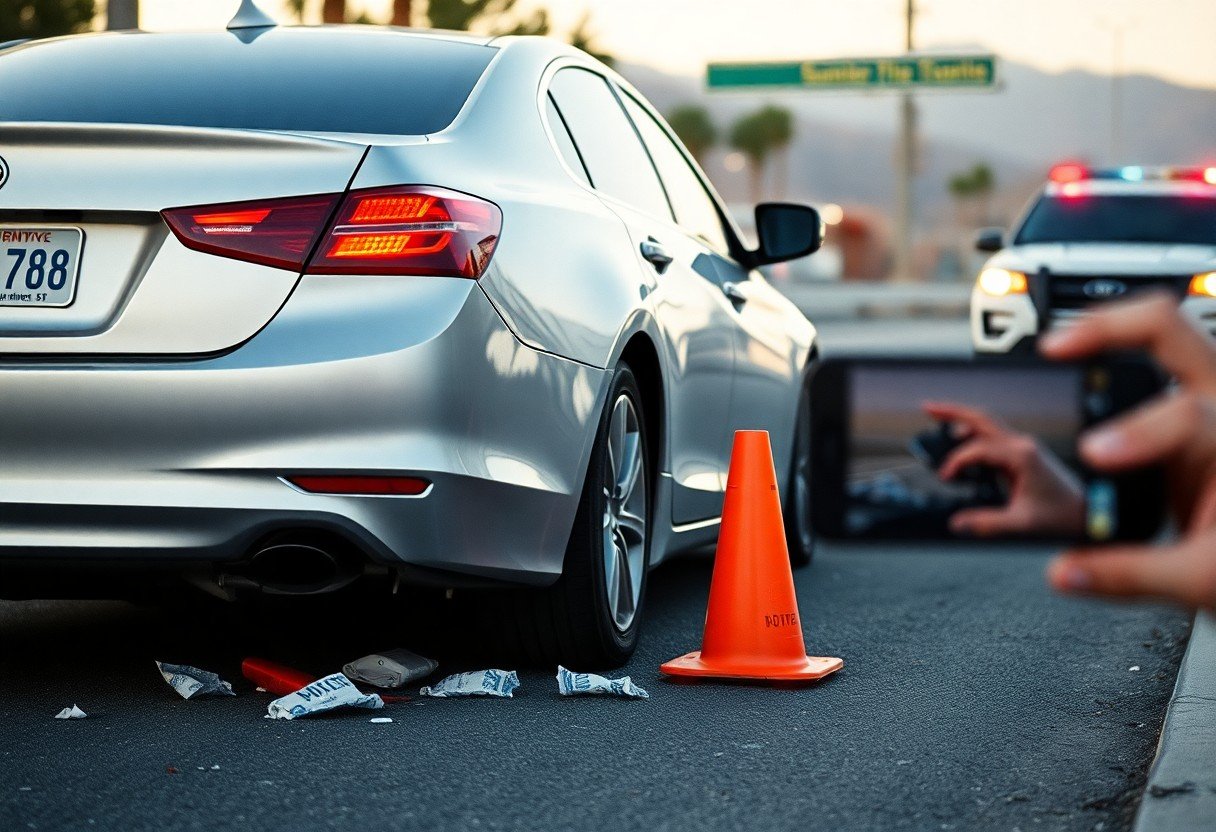
Accident documentation protects your claim: you should photograph vehicles and injuries, record road and weather conditions, collect witness names and contact details, obtain the police report, and keep medical and repair records.
Key Takeaways:
- Injury details: record visible injuries, pain onset, medical diagnoses, treatment timelines, prescriptions, and photos of wounds.
- Photos and videos of the scene: capture vehicle damage, license plates, skid marks, traffic signals, road conditions, debris, and timestamps or GPS location.
- Police and official reports: obtain the officer’s name and badge number, report or case number, and copies of citations or incident reports.
- Witness information and statements: collect names, phone numbers, addresses, brief account summaries, and any audio or video witness statements.
- Financial and communication records: save repair estimates, tow and rental receipts, medical bills, insurance claim numbers, adjuster contacts, and all correspondence about the claim.
Immediate Scene Documentation
At the scene, you should document vehicle positions, skid marks, traffic signals, road conditions, visible injuries, and any debris; note time, weather, and the exact location for later reference.
Capturing Comprehensive Photographic and Video Evidence
Photograph every vehicle, and make sure you capture multiple angles, close-ups of damage and license plates, nearby signs or signals, plus wide shots showing surrounding lanes and landmarks; record short videos when possible to preserve context.
Identifying and Recording Independent Witness Statements
Ask witnesses for full names, phone numbers, concise accounts, and where they were standing; note what they saw, whether they observed pre-impact actions, and whether they are willing to provide a signed or recorded statement.
When you speak with witnesses, speak calmly and identify yourself, request specific details about timing, sightlines, and vehicle movements, and record their statement with consent; if they captured photos or video, obtain copies and timestamp them, and note any personal connections or inconsistencies for later verification.
Law Enforcement and Official Reports
Police reports provide the official account you should collect at the scene, noting officer names, badge numbers, incident number, and a copy for your insurer; consult What Should I Do After a Car Accident? | Open 24/7 for next-step guidance.
Obtaining the Las Vegas Metropolitan Police Department Incident Report
When you need the LVMPD incident report, request it online or by phone using the incident number, then secure a printed copy for claims, medical follow-up, and any legal correspondence.
Verifying the Accuracy of Initial Officer Narratives
Compare the officer’s narrative to your photos, witness statements, and notes, and ask police to amend factual errors before you submit insurance claims.
Document discrepancies by annotating your report copy and attaching photos, medical records, and witness contact details; submit a supplemental statement to LVMPD if information is incorrect, keep dated proof of submission, and provide corrected documentation to your insurer or attorney to support your case.
Medical Evaluation and Healthcare Records
Your medical evaluation and healthcare records should list ER notes, diagnoses, imaging and lab results, prescriptions, referrals, follow‑up instructions, and billing entries; obtain copies of every report and test to document treatment and support insurance or legal claims.
Documenting Emergency Interventions and Specialized Treatments
Record emergency interventions you received-surgeries, procedures, IVs, intubation, or specialty therapies-with dates, treating clinicians, facility names, procedure codes, and attach operative reports, procedure notes, and discharge summaries.
Maintaining a Detailed Symptom and Recovery Journal
Keep a daily log of symptoms noting pain level, location, medication names and dosages, sleep and activity limits, new or worsening signs, and any communications with providers; timestamp entries and include photos when relevant.
Track entries consistently by dating and timing each note, using a simple pain scale (0-10), recording triggers, medication doses and side effects, activities you couldn’t perform, missed work, and provider responses. Photograph visible injuries, save messages and appointment confirmations, back up the file electronically, and provide copies to clinicians or your attorney to corroborate ongoing impact and recovery progress.
Economic Damages and Financial Impact
Document repair estimates, rental charges, and billing statements so you can show your total financial impact; include receipts, invoices, and proof of payment for property damage, vehicle repairs, and replacement belongings.
Compiling Medical Invoices and Out-of-Pocket Expenses
Compile all medical bills, pharmacy receipts, and invoices for medical supplies, noting dates, providers, and balances due so you can present an accurate claim of out-of-pocket costs.
Verifying Lost Wages and Employment Disruptions
Confirm lost wages by collecting pay stubs, employer statements, and time-off records showing hours you missed and sick leave used, and calculate reduced earning capacity if your work duties changed.
Obtain a written employer verification specifying your regular wages, overtime, bonuses, missed shifts, and whether accommodations were provided; include your tax returns and a vocational expert opinion when recovery affects future earning potential.
Property Damage Assessments
Inspect structural and cosmetic damage to your vehicle and property, photographing close-ups and wide shots, noting locations, measurements, and any safety hazards to support insurance and legal documentation.
Securing Professional Repair Estimates and Appraisals
Obtain written estimates from licensed mechanics and certified appraisers, ensuring itemized costs, repair timelines, and contact details to submit with your claim and preserve an objective record.
Inventorying Damaged Personal Assets and Vehicle Contents
List damaged personal items and vehicle contents by category, recording brand, model, serial numbers, purchase dates, estimated value, photos, and available receipts for faster claim processing.
Document each item’s condition with dated photos and short video walkthroughs, attach receipts or bank records, and note serial numbers or distinguishing marks. You should categorize items by replacement priority, keep digital backups, and provide copies to your insurer and attorney while retaining originals in a secure location.
Administrative and Insurance Communications
Keep copies of police reports, claim numbers, policy pages, and contact names; note dates, times, and summaries of calls or emails so you can support future claims or disputes.
Logging All Correspondence with Insurance Adjusters
Track every call, message, and offer from adjusters; record dates, agent names, claim numbers, and key statements, and save voicemails and emails you can present as evidence.
Preserving Legal Documentation and Filing Deadlines
Protect court documents, medical records, and receipts, and note statute deadlines; store originals and certified copies in a secure, dated folder so you can meet filing requirements.
Organize chronologically and back up digital scans to cloud storage; include signed authorizations, treatment timelines, billing codes, and any correspondence proving service dates to strengthen your case and avoid missed deadlines.
Final Words
Presently you should document the scene, damage, injuries, witness contacts, police report details, photos, and medical treatment notes to support claims and insurance filings.
FAQ
Q: What basic information should I document at the scene?
A: Note the exact date, time, and precise location (address, intersection, GPS coordinates, or identifiable landmarks). Record names, phone numbers, addresses, driver’s license numbers, license plate numbers, vehicle makes and models for everyone involved. Collect insurance company names and policy numbers from other drivers. Write down witness names, contact information, and a brief statement of what each witness saw. Log environmental and road conditions such as weather, lighting, road surface, traffic signals, signage, skid marks, and debris.
Q: What photos and videos should I take?
A: Take wide-angle photos that show the entire scene and vehicle positions relative to the road and landmarks. Capture multiple close-up photos of damage on every vehicle, license plates, visible injuries, and interior shots if relevant. Photograph road conditions, traffic signals, skid marks, debris, and any signage or obstructions. Record short video walkthroughs that pan the scene and narrate key facts; include timestamps when possible. Preserve original photo and video files and upload backups to cloud storage that records date/time metadata.
Q: What medical and injury documentation is needed?
A: Seek medical attention immediately and keep all medical records, ER reports, imaging results, diagnoses, treatment plans, prescriptions, and follow-up notes. Take photographs of visible injuries and document symptoms, pain levels, and functional limitations in a dated journal. Save invoices, receipts, medical bills, and explanation of benefits from insurers. Track missed work, lost wages, and any caregiving expenses with employer letters or pay stubs showing dates and amounts.
Q: How should I handle police reports and official documentation?
A: Call local law enforcement so an official accident report is created; obtain the responding officer’s name, badge number, and the police report number. Request a copy of the police report or instructions on how to obtain it online or from the station. Note any citations issued, statements taken, and evidence collected by officers. Verify the accuracy of names, vehicle descriptions, and location details on the report and request corrections if errors appear.
Q: What financial and insurance records should I collect and preserve?
A: Save all communications with insurance companies, including claim numbers, adjuster names, emails, and written offers. Keep tow bills, repair estimates, receipts for parts or services, rental car invoices, and any out-of-pocket expenses related to the crash. Document lost income with pay stubs, employer statements, or tax records. Store receipts for medical payments, rehabilitation, and assistive devices. Maintain a dated log of phone calls and meetings with insurers, repair shops, and legal advisors.