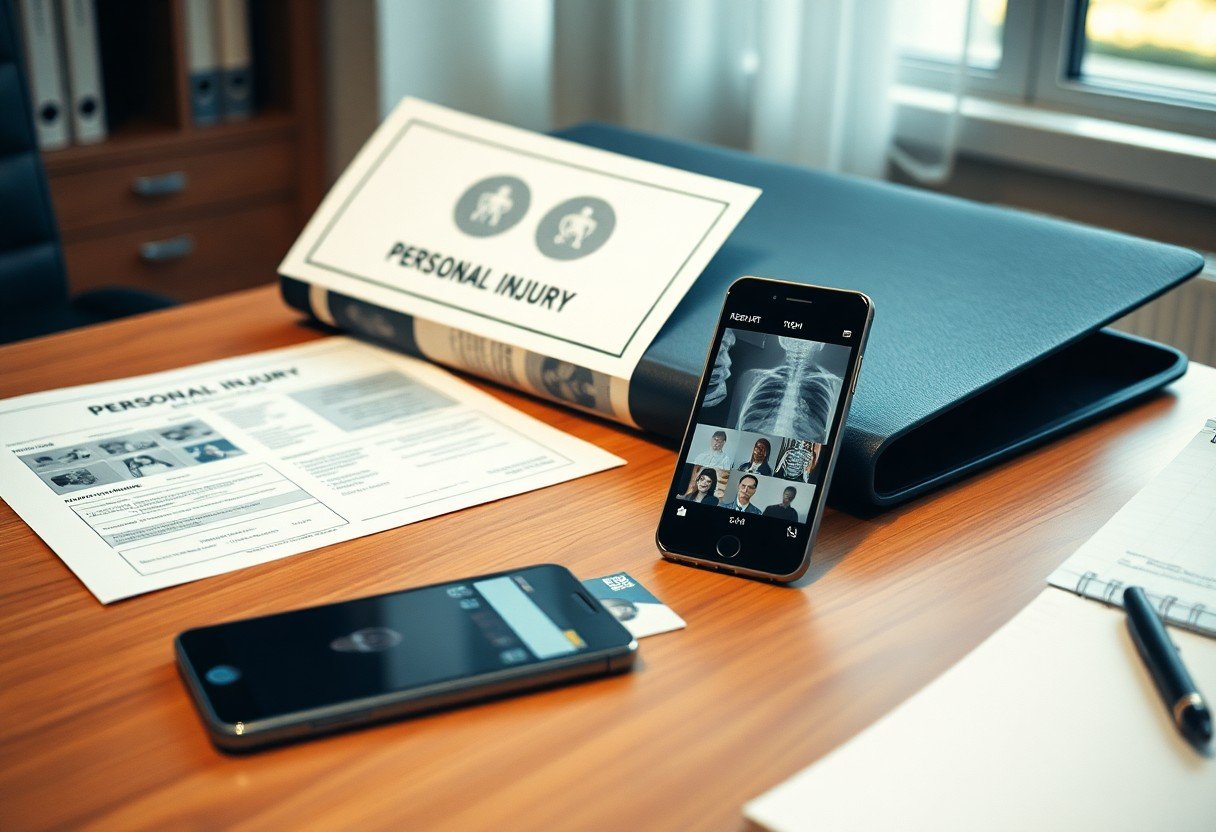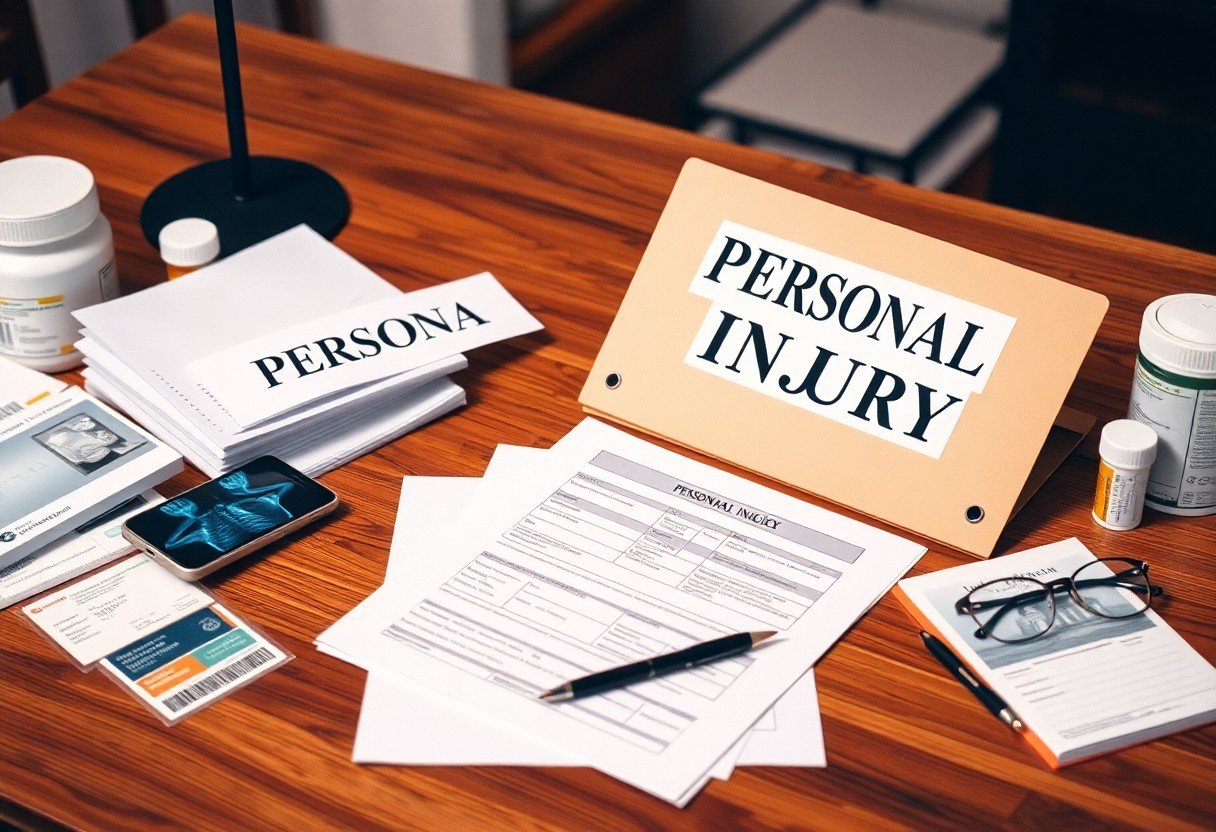
You should bring ID, medical records, photos of the scene and injuries, the police report, insurance information, medical bills and wage-loss records, witness contact details, and a concise list of questions for your attorney.
Key Takeaways:
- Government-issued ID, contact information, and insurance policy numbers for auto and health coverage
- Medical records, hospital discharge papers, diagnostic images, medication lists, and treating-provider contact details
- Photos and videos of injuries, the scene, vehicle or property damage, and any time stamps or geolocation data
- Police or incident reports, claim numbers, and witness names with contact information
- Documentation of expenses and lost wages (medical bills, receipts, pay stubs), a chronological timeline of events, and a concise list of questions for the attorney
Essential Identification and Insurance Information
Collect your photo ID and insurance documents to verify identity and policy details during the consultation; this speeds intake and prevents delays.
Valid Government-Issued Photo ID
Bring a valid government-issued photo ID, such as a driver’s license or passport, to confirm your identity and sign necessary documents.
Your Personal Insurance Policy Declarations
Present your personal insurance policy declarations page showing coverage limits, policy number, and effective dates so your attorney can assess available benefits.
Provide copies of the declarations page, contact information for your insurer, and any recent correspondence or claim numbers; you help your attorney identify applicable coverages, potential exclusions, and whether uninsured/underinsured motorist benefits apply.
Official Incident and Police Reports
Police and official incident reports give your attorney the facts and authority they need; bring the police report number and any documentation listed on the Personal Injury Checklist: 7 Documents Your Attorney Needs so your lawyer can verify details and insurance information quickly.
Law Enforcement Accident Summaries
Obtain law enforcement accident summaries to confirm officers’ observations, witness statements, and diagrams; you can use the report number to request a copy for your file and to share with your attorney.
Formal Incident Reports from Business Owners
Request formal incident reports from business owners, including manager statements, CCTV timestamps, and incident logs; you should provide copies to your attorney for claim support.
If you can, obtain copies of security footage, incident logs, employee statements, maintenance records, and signage photos to establish timing and conditions. Provide these materials to your attorney promptly so they can subpoena footage or confirm business admissions before records are lost. Ask the manager for a written, signed incident report and note any inconsistencies between the business version and the law enforcement summary.
Comprehensive Medical Documentation
Bring complete medical records, imaging, hospital discharge summaries, and therapy notes to your consultation so your attorney can assess injuries, treatment progression, and future care needs without delays.
Records of Diagnosis and Treatment Plans
Collect copies of diagnosis reports, imaging interpretations, and specialist notes to show how your condition was identified and what treatment was recommended.
Itemized Medical Bills and Pharmacy Receipts
Include itemized bills and pharmacy receipts to document expenses you’ve incurred and to help calculate damages and reimbursement.
Organize bills by date, label paid versus outstanding, and highlight out-of-pocket costs so you can show net loss. Attach insurance explanations of benefits and pharmacy labels to clarify charges and prescriptions.
Evidence of the Accident Scene and Injuries
Gather photos, police reports, medical records, torn clothing, and any physical items that show the scene or your injuries. Bring receipts, prescriptions, and notes about symptoms and treatment timelines so your attorney can assess damages and causation accurately.
Photographic and Video Documentation
Capture wide shots, close-ups of damage and injuries, timestamps, and any relevant road signs or skid marks. Save originals and backup copies on your phone or cloud so you can provide clear visual evidence to support your claim.
Contact Information for Eyewitnesses
Collect full names, phone numbers, email addresses, and short notes on what each witness saw. Ask permission to contact them later and note the time and location they observed the incident to strengthen follow-up interviews.
Provide context for each contact, including how close they were to the scene, whether they saw the point of impact, and when they gave the details. Get a preferred contact method and any alternate numbers, and inform your attorney of any inconsistencies or potential biases so they can evaluate credibility.
Financial Impact and Employment Records
Gather employment and financial records showing pay stubs, tax returns, and employer statements so you can demonstrate lost income, reduced hours, or modified duties after the injury.
Documentation of Lost Wages and Time Off Work
Provide pay stubs, W-2s, employer verification of time off, and a log of missed hours to quantify wage loss and support your claim.
Receipts for Out-of-Pocket Expenses Related to the Injury
Collect receipts for medications, travel to appointments, medical supplies, and home care expenses to show the out-of-pocket costs you’ve incurred.
Itemize each receipt with date, purpose, provider, and amount, and bring matching bank or credit statements so you can substantiate reimbursement requests and speed claim processing.
Correspondence with Insurance Adjusters
Collect all emails, letters, and call logs from adjusters, noting dates, names, and brief summaries so your attorney can verify timelines, concessions, and key statements when evaluating your claim.
Records of Written and Digital Communication
Save screenshots, text threads, voicemails, and mailed correspondence, including delivery receipts and timestamps, to show what was said and when during settlement discussions.
Information Regarding Any Settlement Offers Received
List each offer with the date, amount, who made it, whether it was written or oral, any conditions, and the deadline so your lawyer can assess its fairness.
Document counteroffers, communications about medical liens or subrogation, and any forms you signed; bring originals and copies so your attorney can evaluate legal exposure and advise whether to accept any offer.
Conclusion
The documents and items you should bring to a personal injury consultation include identification, medical records and bills, accident photos, the police report, insurance information, witness contacts, pay stubs for lost wages, all correspondence, and a list of questions and medications.
FAQ
Q: What documents should I bring to my personal injury consultation?
A: Bring the police report, accident report, or incident report if one was generated. Bring a copy of your driver’s license or other photo ID and any insurance cards for all involved parties. Bring claim numbers, correspondence from insurers, traffic citations, and any letters or notices from the other party or their insurer.
Q: Should I bring medical records, bills, and treatment information?
A: Bring emergency room records, hospital discharge summaries, surgical reports, imaging (X‑rays, CT, MRI) and copies of medical bills and invoices. Bring a list of current medications, names and contact information for treating physicians, dates of appointments, and records of physical therapy or other ongoing treatments. Bring documentation of future medical appointments and estimated treatment costs when available.
Q: What types of evidence, photos, or physical items are helpful?
A: Bring photos and videos of your injuries, the accident scene, vehicle damage, and any property damage, with dates and descriptions if possible. Bring damaged items or clothing involved in the incident, preserved in original condition when practical. Bring witness names, phone numbers, written statements, or social media posts that reference the incident.
Q: What financial and employment information should I bring regarding lost wages and expenses?
A: Bring recent pay stubs, W‑2s or tax returns if self‑employed, a letter from your employer confirming missed work and wage loss, and documentation of sick or disability benefits received. Bring receipts for transportation, medications, childcare, home care, equipment, or other out‑of‑pocket expenses related to the injury. Bring records of any prior similar injuries or preexisting conditions that could affect the claim.
Q: What practical items and questions should I bring to make the consultation productive?
A: Bring a concise written timeline of the incident with dates, times, and a short description of events and symptoms. Bring any correspondence, demand letters, settlement offers, or prior claims related to the matter. Prepare questions about fees (including contingency arrangements), the attorney’s experience with similar cases, likely timelines, potential claim value, and whether the firm will obtain medical records and handle communications with insurers. If you cannot locate specific records, bring what you have and sign records‑release forms so the attorney can obtain missing documents.